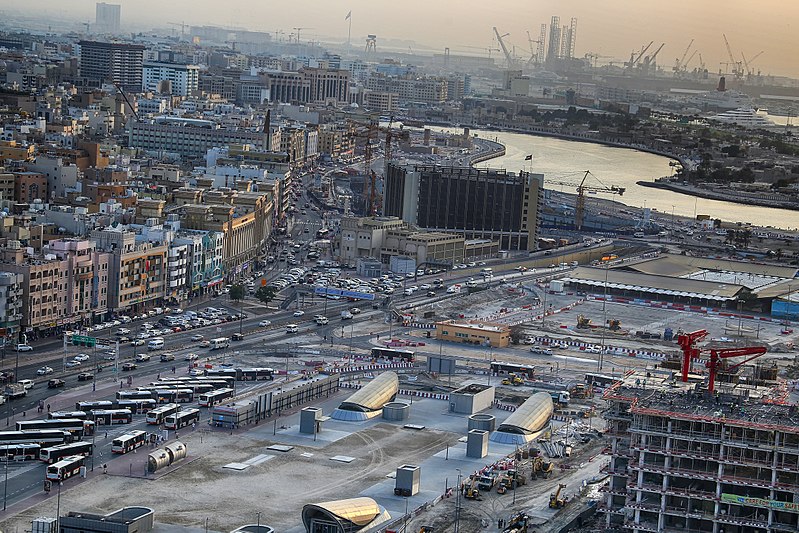
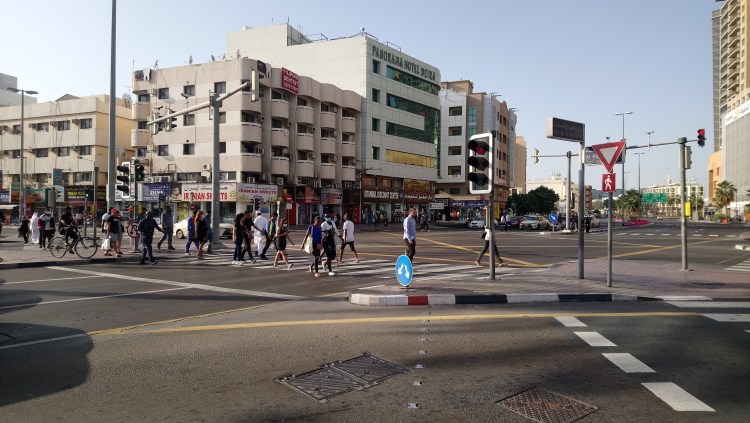
Dubai’s Supreme Committee of Crisis and Disaster Management has announced “heightened restrictions on the movement of people and traffic” for the next two weeks in Al Ras, a densely-populated community, and one of the emirate’s oldest with its traditional souks and narrow alleyways.
Emirates News Agency (WAM) reported that the restrictions are meant to “facilitate intensified sterilization procedures” from the morning of Tuesday, March 31.
“The decision to put in place heightened restrictions was taken due to the high density of population in the area, with the goal of safeguarding the health and safety of residents and to implement the highest level of preventive measures,” said the WAM report.
The General Command of Dubai Police confirmed that teams from the Dubai Health Authority will provide all essential supplies to the residents of the area during the two-week period, it added.
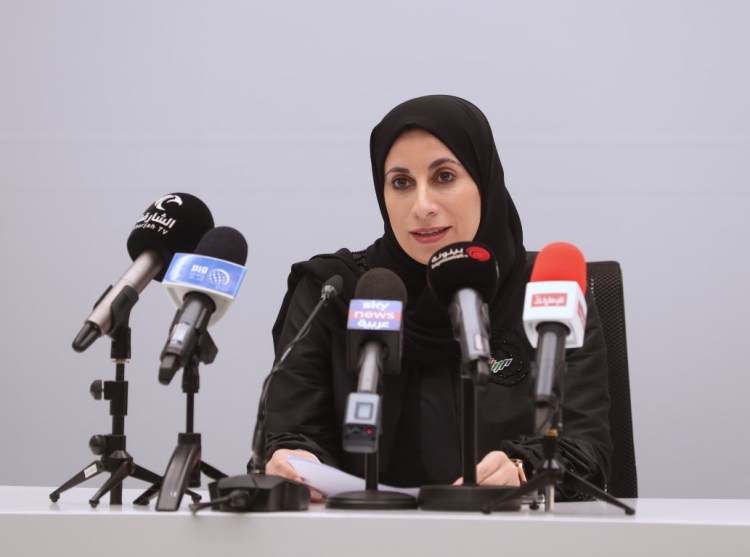
People who are not residents of Al Ras are prohibited from travelling to the area during the period, ENA said, adding that Dubai’s Roads and Transports Authority (RTA) has announced a comprehensive plan to manage traffic and public transport modes in the Al Ras area, which includes the closure of entrances leading to the place from three main roads and interchanges: Al Musalla, Al Khaleej, and Baniyas Streets.
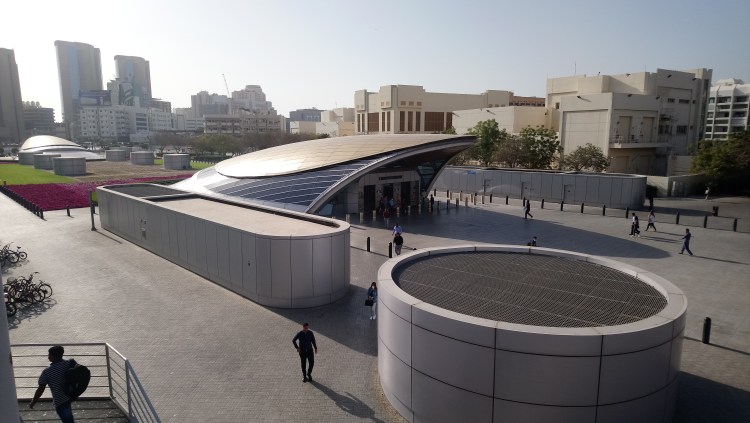
The plan also includes the closure of three stations on the Dubai metro green line: Al Ras, Palm Deira and Baniyas Square. The metro will pass through the area without stopping at these stations. Additionally, as per the plan, all bus routes to Baniyas area will be diverted to Al Musalla, Al Khaleej and Omar Bin Al Khattab streets, and all taxi movement to the area will be restricted.
New cases
Meantime, the number of COVID-19 positive individuals continue to rise as the government actively pursues testing of residents.
On March 30, Monday, the UAE Government announced the detection of 41 new coronavirus cases among various nationalities, taking to 611 the number of infections in the country, of which 61 have recuperated and five have died.
The government also announced the full recovery of three patients and the death of two others due to health complications. A 48-year-old Arab national died while suffering from heart disease, high blood pressure, and diabetes, while an Asian national who died at age 42 also suffered from heart disease. COVID-19 fatalities have now reached five in the UAE, the Ministry of Health and Prevention (MOHAP) said.
36 infections traced to 1 COVID-19 positive person

Dr. Farida Al Hosani, MoHAP spokesperson, said two of the 41 new cases were under intensive case as of press time.
She added that at least one of the confirmed cases had been in contact with others and infected 36 people.
She said the UAE Department of Health, on directives from His Highness, Sheikh Mohamed bin Zayed Al Nahyan, Crown Prince of Abu Dhabi and Deputy Supreme Commander of the UAE Armed Forces, set up drive-through centers across the UAE to test for the coronavirus following the launch of the first of such in Abu Dhabi.
The test centres will open in Dubai, Sharjah (which will also serve Ajman and Umm al Qaiwain), Ras Al Khaimah, Fujairah, Al Ain, and Al Dhafra to provide rapid testing for citizens and residents across the UAE using the latest medical technology. Priority will be given to people suffering from respiratory and chronic diseases, senior citizens, and pregnant women.
COVID-19 positive Filipinos
There is one Filipino in the latest batch of 41 COVID-19 positive individuals, according to MoHAP.
As per MoHAP’s previous announcements, this brought to 12 the total number of Filipinos who have tested positive for the coronavirus since Feb. 8.
There were already five COVID-19 positive Filipinos by March 15; and eight by March 24.
The number further climbed to 11 on March 25 with the detection of three more new infections.
Three of the Filipino COVID-19 patients have recovered, MoHAP said.
 The Daily Bread