“I like the adrenaline rush of the ER. But in this time of COVID-19, I’d rather be in the community, keeping the elderly in their homes than risking them to further infections.”
DUBAI: Away from the COVID-19 “battle zones” – hospital emergency rooms and intensive care units – where health care professionals and patients teeter on the verge, are specialized nurses looking after the aging and making sure their vulnerable wards don’t end up in body bags as the ongoing global war against the coronavirus pandemic rages.
Among them is Maureen Moreno-Akhaine who is operating a home care service for the elderly in the UK. This her story.
Keep them away from hospitals
“I love working in ER,” said Maureen Moreno-Akhaine, who hails from San Pedro, Laguna and has been living with her husband, Humphrey, a college lecturer who also was an ER nurse, in Milton Keynes, a town northwest of London in the United Kingdom, for the past 18 years.
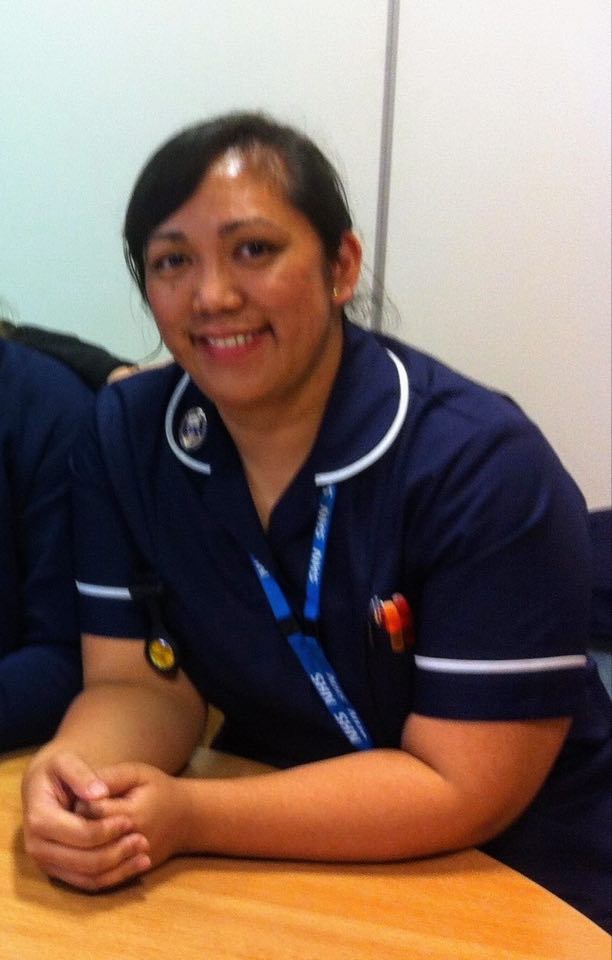
“I like the adrenaline rush and challenges. But in this time of COVID-19, I’d rather be in the community, keeping our clients as much as possible in their homes rather than risking them to further infections and viruses in the hospital,” said Akhaine, who started out as a midwife in the Philippines and now runs her own home health care service, which has been operating for the past 5 years.
“At the moment,” said Akhaine, “the hospitals encourage people to go there only when really necessary.
“Those feeling sick are able to call the 111 emergency number and get advice on what to do; and if they really need to, the hospital sends an ambulance to get them.”
Akhaine, who finished nursing school at University of Bedfordshire in 2009, said she is able to compliment the hospitals’ efforts by teaching her staff the right techniques of infection prevention which in turn helps in minimizing the risk of their patients’ exposure to coronavirus and prevent them from having to be rushed to the hospital.
They also send their clients and their family a letter about a contingency plan for the COVID-19, she said.
“Thankfully, we haven’t had any client who has contracted COVID-19,” said Akhaine, who had worked at Milton Keynes Hospital’s emergency department for four years before becoming a community rapid response nurse where she and fellow staff managed patients with long-term conditions.
“If ever one of our clients shows any symptoms, he or she will be managed by our staff at his or her home unless a ventilator is needed,” said Akhaine, who herself was recently in self-isolation for three weeks after having COVID-19 symptoms.
“It was tiring and draining during the first 4 days due to persistent cough and very itchy throat to a point that I vomited as my body trying to expel mucus that was, unfortunately, not coming out,” she said.
The domiciliary care that Akhaine operates has 29 clients from 18 years old to 75, mostly in the aging demographic group, she said, that her staff regularly visits in their homes. “Most of them have underlying conditions such as diabetes, stroke, chronic obstructive pulmonary disease (COPD) and cancer, among others,” Akhaine said.
A problem they are faced with at times, saidAkhaine is shortage of PPE or cost of PPE having gone up.
“We are supported by our local government and they have been calling us 2 to 3 times a week to inquire about how we are doing or the challenges we have been facing,” she said.
“When we had a shortage of aprons, they provided us with emergency supplies; that is one good thing here: We are well-supported,” she added.
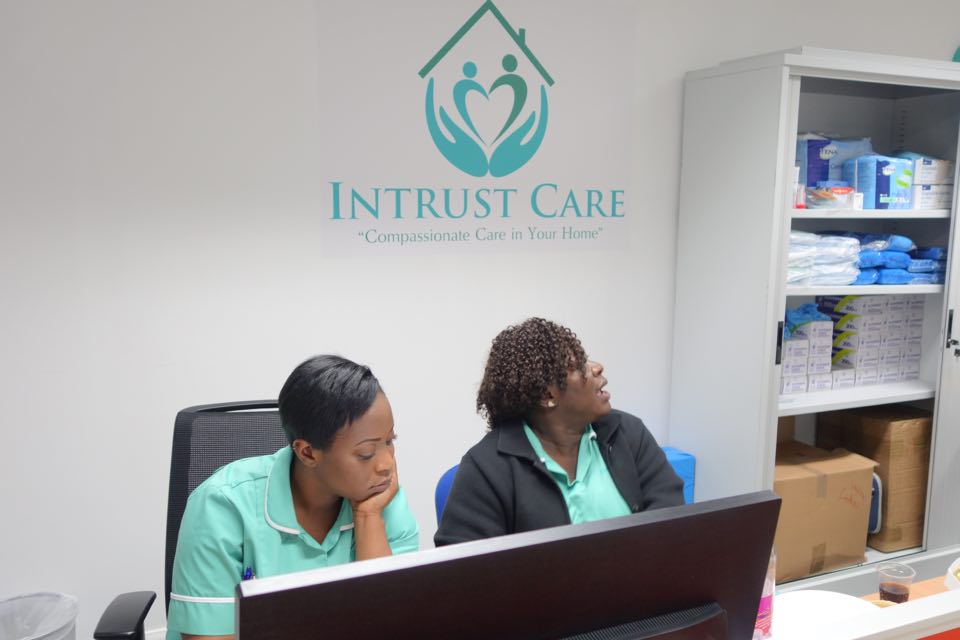
Caring for the vulnerable adults at this time of COVID is challenging, Akhaine said, because the virus is new. “Most clients and families are anxious and afraid that they might catch the virus,” she said.
The UK has extended its lock down, which started on March 23, for another three weeks to run till May 6. The country so far have been 143,460 COVID-19 cases and 19,506 deaths as of press time, according to reports.
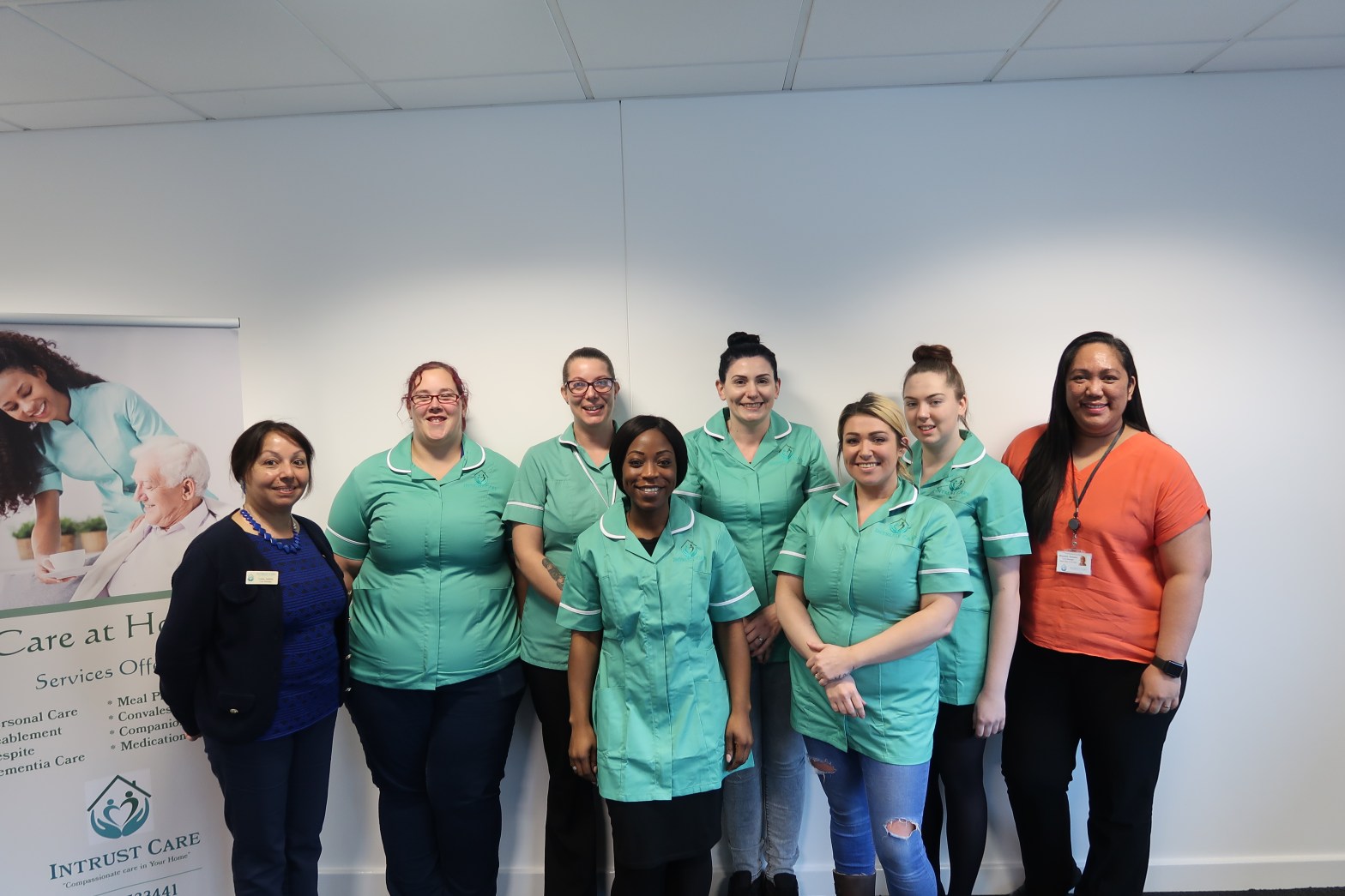
(Main picture is that of Maureen Moreno-Akhaine and staff)
 The Daily Bread