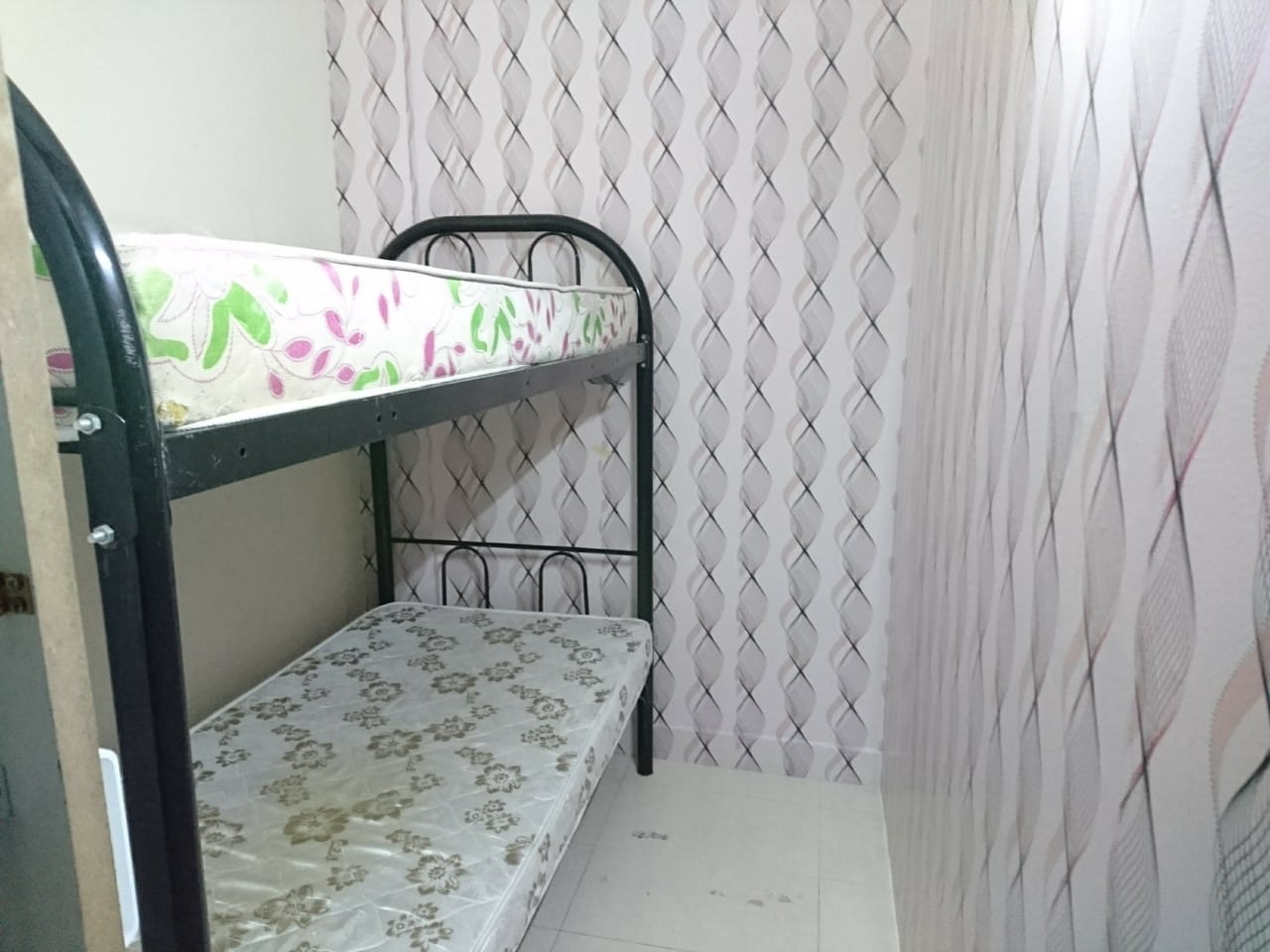
What should be done if someone living in shared accommodations showed symptoms or tested positive for COVID-19?
Dr. Alvin Torres, a Filipino physician practicing in the UAE, said it is vital that a “physical barrier” be put up.

“Basic recommendation ng international guidelines sa home quarantine is to have a separate room,” Torres told a recent, live-streamed talk show hosted by Kalayaan 2020, an aggrupation of Filipino organizations in Dubai and the neighboring Northern Emirates.

He suggested that shower curtains be used in cases of bed bunks. “May ginagamit minsan sa mga double decks na mga curtains. Gamitin nila yung shower curtain kasi mas madaling linisin at i-disinfect kaysa sa cloth na curtain. Iyun ang niri-recommend naming sa infection control,” Torres said.
(Sometimes they use curtains to maintain privacy in double bunk beds. They should use shower curtains because it is easier to clean and disinfect compared to cloth curtains. That’s what we recommend for infection control.)
Torres further explained that the virus can easily lodge itself in cloths.
The doctor also stressed the importance of good room ventilation. “There have been studies showing that the virus doesn’t stay long in the air if the room is well-ventilated,” he said in Filipino.
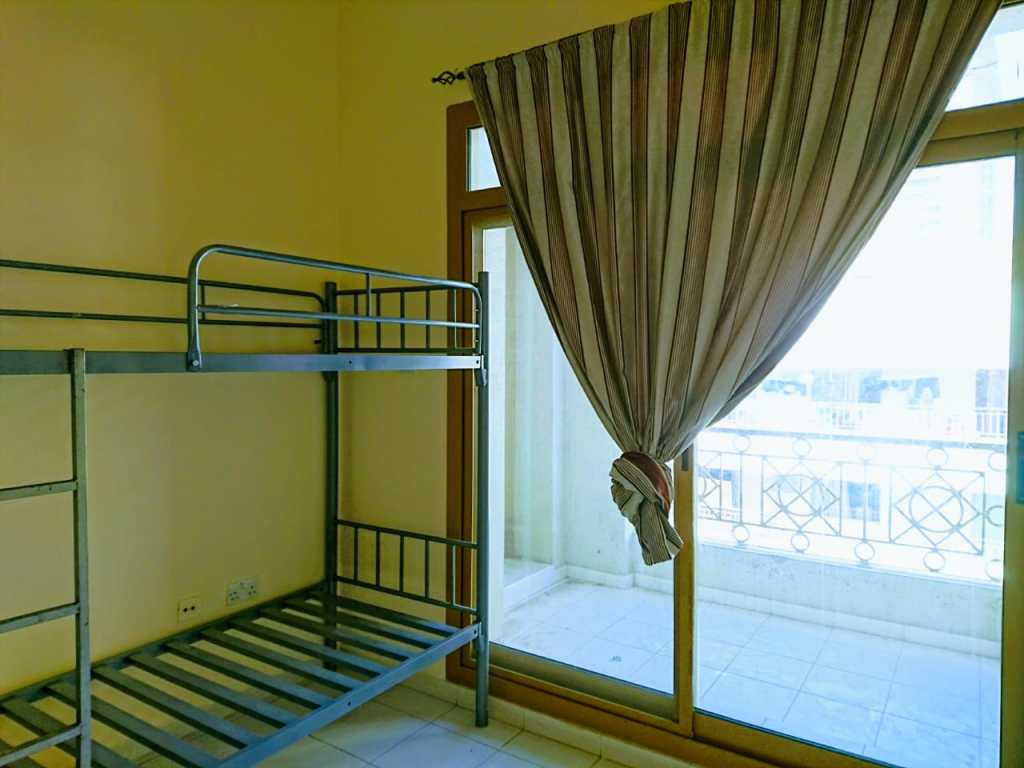
Torres also said a distance of at least a meter apart should be maintained to lessen the chance of the virus spreading among the apartment unit’s occupants and that social distancing be strictly observed in common areas like the kitchen, which also need to be regularly disinfected.
People who had been in close contact with a COVID-19 positive person in the accommodations need to be tested as per guidelines set by World Health Organization (WHO), Torres said, to cut the chain of infection.
This include those left behind after a COVID positive occupant has been taken by DHA for treatment at a designated hospital.
‘Cohorting’
In cases where there were more than one person who have been showing symptoms, Torres recommended “cohorting.”
“Mag-stay sa isang room and all of them will have to be tested,” the doctor said.
Meantime, Torres asked for patience from those who have been calling the government’s hotlines at 800 1717 for Abu Dhabi; 800 342 for Dubai; and 800 11111 for Sharjah and the rest of the Northern Emirates.
“The call centers are just plain overworked. The UAE government is doing the best it can. It is actually doing an excellent job,” he said.
Torres noted that overall COVID-19 mortality rate in the UAE is less than 1%.
According to the UAE Ministry of Health and Prevention (MoHAP), there were 33,170 COVID cases across the country as of May 29. Of this figure, 17,097 have recovered and 260 have died.
“I was looking at the numbers. In fairness to UAE, napakagaling kasi. Almost 1% lang ang mortality rate compared sa international data,” he said.
Torres said Dubai has 3,000 beds available at the Dubai World Trade Center (DWTC) which has been converted as a hospital for COVID patients; and Sharjah has 1,200 beds.

Also in the panel for the live-streamed Kalayaan 2020 talk show were Paolo Guevarra, president of the Philippine Nurses Association – Dubai and the Northern Emirates (PNA-DNE), who said he had tested positive for COVID-19 before; and Amy Miranda, PNA-DNA adviser, who provided safety tips.
 The Daily Bread