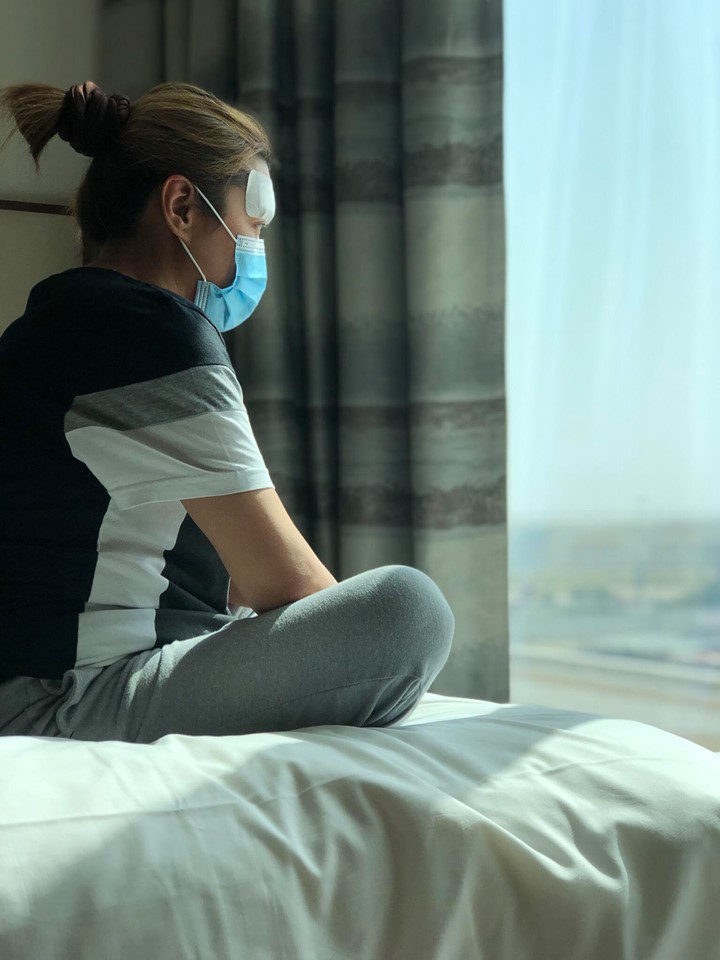
DUBAI, United Arab Emirates: Getting infected with coronavirus in shared accommodations is like a bowling match: pins fall one after another while others are shaken and the rest remain standing.
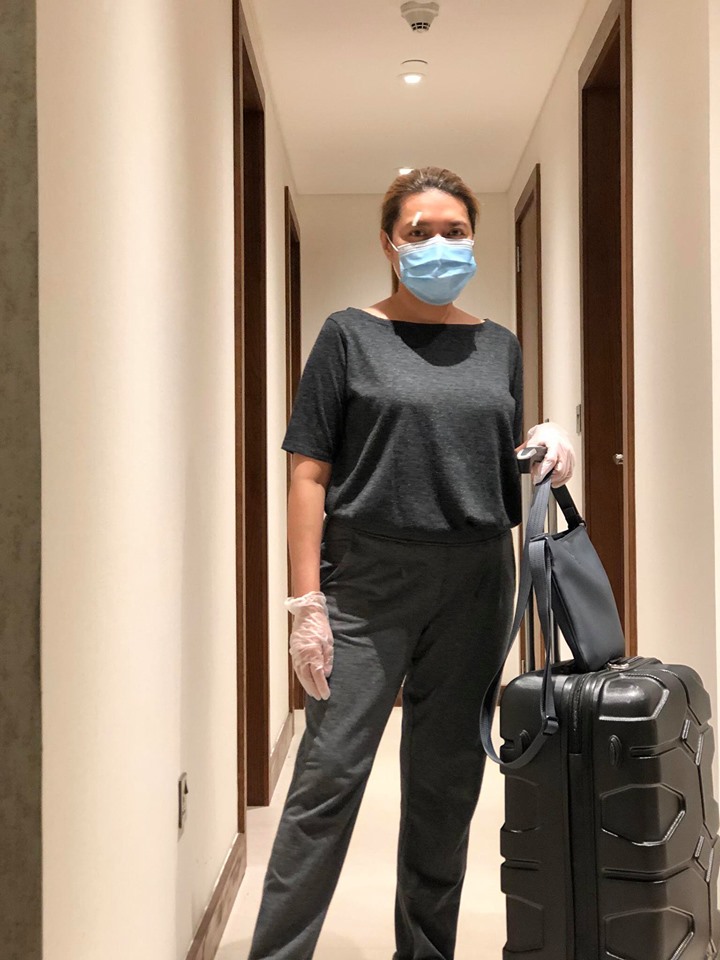
This, according to 43-year-old Jolly Milette Santo Zulueta, flower shop operations manager, who live with her husband, Richard, a communications director at a skills training company, in a three-bedroom flat, with common kitchen and bathrooms, shared by seven other occupants in Karama, a mostly-residential enclave north of the city.
“What happened to us was like bowling: When the virus (bowling ball) strikes, some pins (people) fall, some remains standing,” Zulueta said.
Zulueta’s COVID scare started when two of their flat mates, who were staying in one of the rooms, tested positive for coronavirus after going back to work at a time when restrictions in the movement of people started to be eased in the last week of April.
“During those days, nilagnat si patient #1 and may cough naman si patient # 2. Both of them went to a clinic for check-up,” recalls Zulueta, who was staying in another room with her husband.
Initial findings did not indicate COVID, but following swab tests, Zulueta said, the two turned out positive for coronavirus.
“Good thing si patient #1 ni-require ng company nya to do swab test. Sya po yung unang nag-positive sa amin. Then, we asked patient #2 to do her swab test as well. Sila po kasi ang magkasama sa room. Her swab test turned out positive din,” said Zulueta.
As this developed, Zulueta herself started feeling ill.
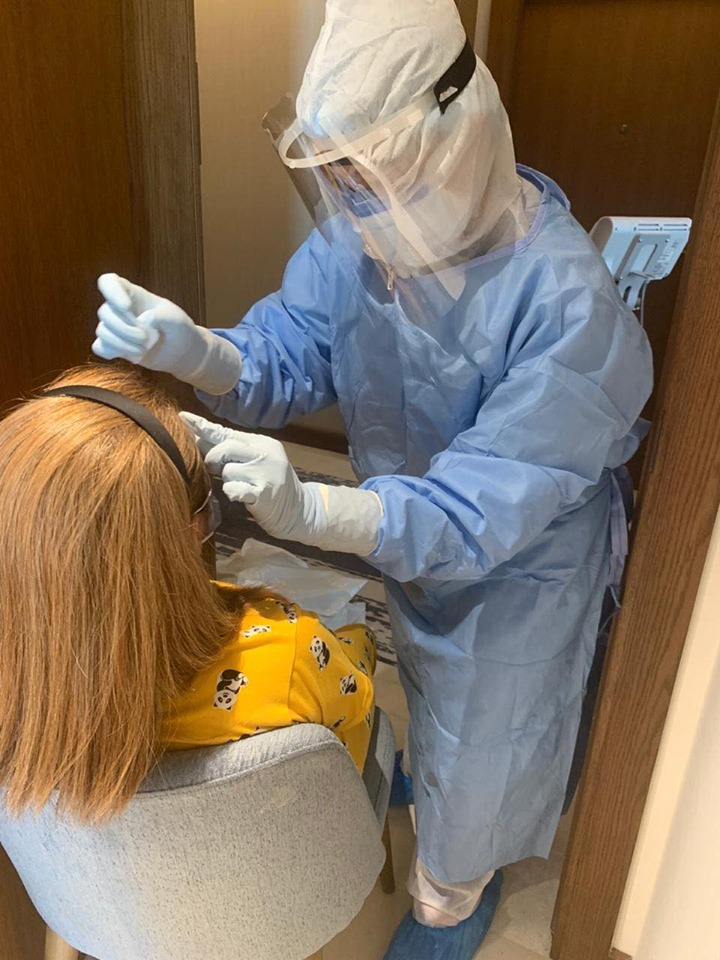
“While we are all waiting for their swab test results during that week, may mga naramdaman na ako, pero I never thought na infected na din ako,” she said, recalling that she experienced four days of dizziness, which, according to doctors is a sign of COVID infection as it means the body’s oxygen level was going down.
Zulueta said the dizziness went with headaches and she took it as vertigo. “So, I took my medicine and I also took paracetamol, then I was fine,” she said.
Zulueta then started having chills with no fever, which happened for six nights, followed by shortness of breath that came on a midnight. “I adjusted the AC temperature, drunk water and adjusted my pillow, then I was fine again,” she said.
But the tell-tale signs just would not go away as Zulueta started having a dry, itchy throat to which a doctor prescribed medication. The following day, she lost her sense of taste and smell – another sign of COVID-19 infection – and it stayed for two weeks, Zulueta said.
Zulueta said they sought the doctor’s advice, who told them to observe the proper protocols about having COVID-positive flat mates, and that they all need to a swab test which they did on May 16 at Al Badaa Health Center, a government primary health care clinic along Jumeirah Street near Satwa. The results showed that she and another flat mate were COVID positive.
“Dalawa pa po kaming nag-positive sa bahay and five were negatives, including my husband,” said Zulueta.
“But we had one major concern pa, kasi during those days (in April and May) our friends frequently visited us with their baby. We called them up and convinced them to do swab test as well, and on May 20, they got their results na lahat sila positive,” she added.
The visitors were a couple and their infant. “Naging bola kasi naming lahat si baby – pasa-pasa, then lahat kami kinakarga sya,” said Zulueta. The baby is now okay, she said.
Soon, a medical team from the Dubai Health Authority (DHA) took Zulueta and the rest, including their visitors at flat and their 11-month-old baby, to an isolation center in a hotel near the Al Maktoum airport where they got world-class treatment.
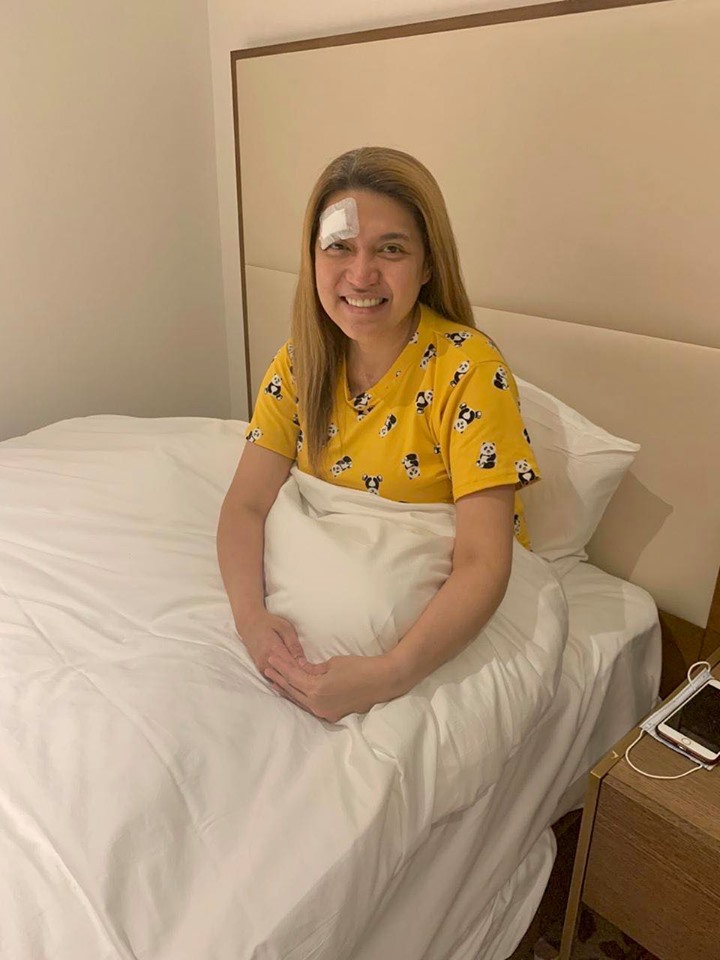
“We are well treated well. Sobrang maalaga ang mga doctors and nurses. We had our swab tests and we are all negative. Despite this, the doctors kept monitoring our vitals and health as per daily check-up,” Zulueta said.
After 11 days, Zulueta was discharged on June 2, 2020, her medical certificate in hand.
As of press time, she was on a 14-day home quarantine to ensure that she’s all good before going back to work.
“With our case, it’s ‘hawa-hawa.’ Pero di talaga namin alam kung sino ang (original) carrier. Kahit gaano tayo ka-ingat, sometimes it happens. Sabi ko nga it’s an invisible enemy. Kaya dapat talaga doble ingat tayong lahat,” Zulueta said.
Her piece of advice: “Be responsible. If you feel something wrong with your body, consult a doctor. If you suspect that you have COVID-19, ‘wag po kayong matakot. Mas mabuti po na malaman ng maaga bago pa maging malala.
“Sa mga kagaya ko pong Covid-19 patient: Be strong. Don’t let depression, anxiety and stress let you down. Kaya po natin ito. Wala pong ibang makakatulong sa atin kundi sarili din natin, and prayers.”
What is the protocol when someone in the flat has COVID-19?
Zulueta said they were concerned and did not know what to do when they found out that two of their flat mates were COVID-positive.
“Nag-worry kami. I called my employer to help us because her husband is Infectious Disease head doctor (at a Dubai hospital). Mainly po Covid-19 cases ang hinahawakan nya,” she said.
The doctor called her right away and advised what they needed to do:
(Here’s a checklist that note down a post on your wall, as well share with friends)
- Calm down, don’t panic
- Wear mask and gloves
- Isolate the COVID-positive flat mates.
- All the test should do 14-day quarantine.
- Take a swab test
- Disinfect the while flat unit once the COVID-positive flat mates have been taken by a medical team. Soak and wash their things.
- Report the incident to your building management and security to secure your premises
 The Daily Bread