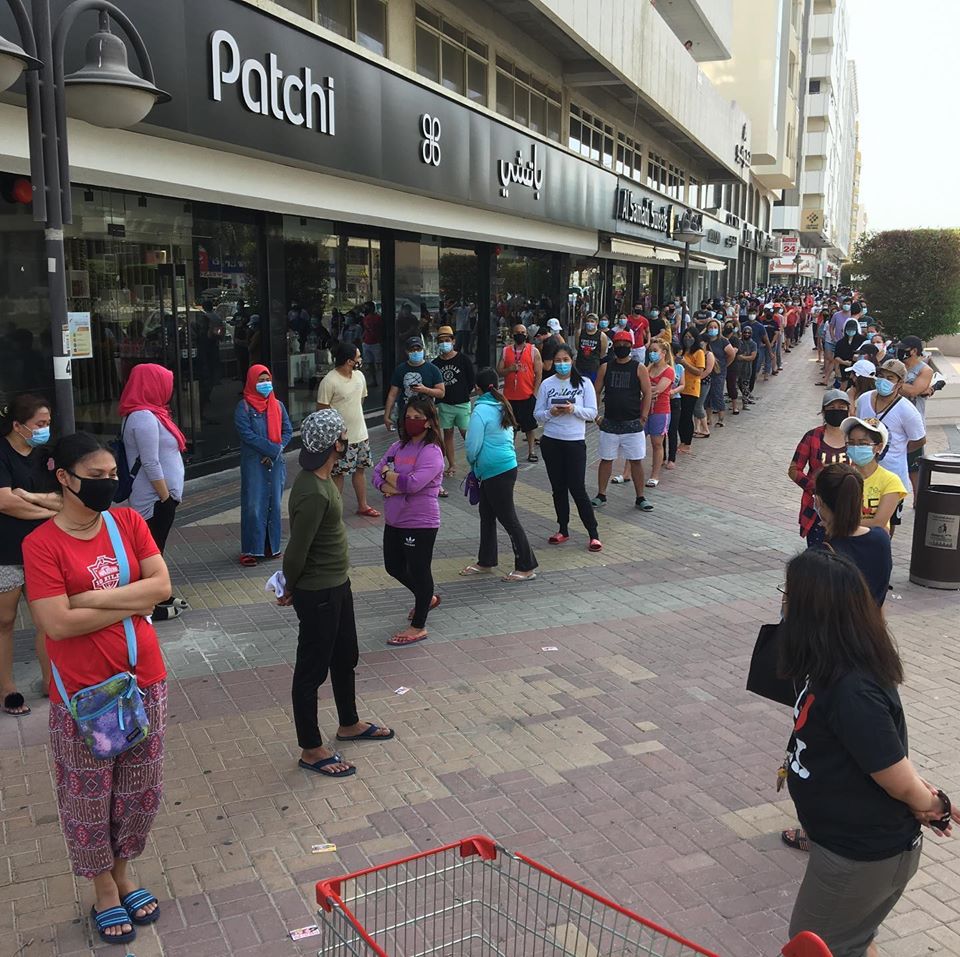
DUBAI, United Arab Emirates: More people in the UAE, including overseas Filipino workers caught in the midst of credit payments when the pandemic struck months ago, have been defaulting on their bank loans because of job loss, salary cuts or no-work-no-pay arrangements with their employers due to COVID-19.
This at hand, Consul General Paul Raymund Cortes allayed anxieties, saying the re-opening of Dubai’s economy following three months of strict anti-COVID-19 measures will “bring more confidence among Filipinos.”

“While many kababayans were indeed affected by the Covid-19 pandemic and the lockdown that ensued, the re-opening of Dubai to international tourists is hoped to bring more confidence among the Filipinos in the country not just in Dubai’s economy or the UAE’s, but more so, a foreshadowing of how the global economy can take its cue from the UAE’s strongest resolve to bounce back to the economic levels before the crisis,” Cortes said.
Hard-numbered statistics are hard to get by, nontheless Atty. Barney Almazar, 2015 Ten Outstanding Young Men (TOYM) awardee and director at Gulf Law Consultancy, provided a picture, noting that their figure has increased by 100%.
“I don’t have the official statistics of the borrowers severely affected or could not pay due to COVID, but what I can confirm is that the numbers of defaulters have increased by 100% based on the number of inquiries and requests for assistance we were getting before and during the pandemic,” said Almazar, who also was recipient of the 2016 Asian Legal Business Young Lawyer of the Year for the Philippines.
He said 60% of their loan-related clients were Filipinos; the rest, Europeans and South Asians.

“As more companies are closing, we expect the number to grow,” Almazar, known in the Filipino community here for his advocacies toward overseas Filipino workers (OFWs), said.
Most loans that the law firm settles involve credit cards, according to the lawyer. “We recommend to convert the card balances to a fixed-term loan so that interest will be lowered and they can pay at an agreed term,” Almazar said.
He said there also were OFWs with pending debts back home.
“Their loans have piled up since the tendency is to borrow to repay an existing loan. But they end up having so many loans that they can no longer manage,” Almazar said, adding that the debts range from Dh30,000 to Dh1 million for credit cards and personal loans. He said those paying mortgages back home has loans going as high as Dh5 million.
Indeed, said Almazar, the primary legal concern in the UAE are police and civil cases from unpaid loans, adding that the law firm last month had up to 200 inquiries and requests to help settle their loan obligations.
“They can ask for deferment of payments if they lost their job, salaries have been reduced, or they were on a no-work-no-pay set-up,” said Almazar. A bounced cheque of more than Dh200k will merit a jail term, he said.
“The best solution is to negotiate with the banks, taking into consideration their personal circumstances and central bank regulations to strengthen their bargaining position. We can also use humanitarian grounds to get some concessions,” Almazar said.
SagipKabayan-UAE
Several overseas Filipino workers (OFWs) have meantime banded together under the group, SagipKabayan, which has embarked on a charity program for fellow OFWs heavily impacted by COVID-19.
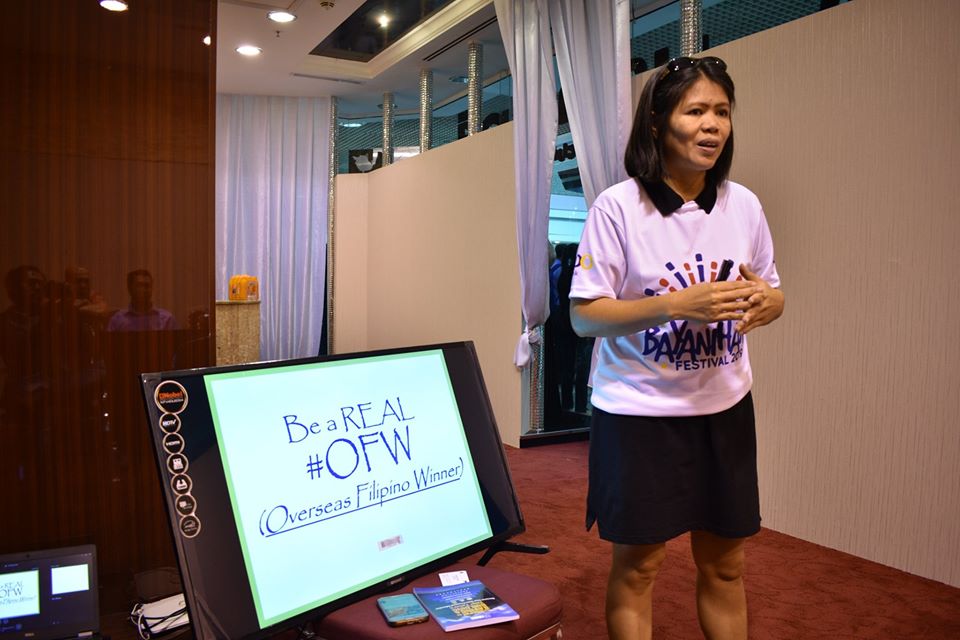
Franz Ramirez-Angeles, a financial literacy advocate, whose among those spearheading SagipKabayan-UAE, said over 500 OFWs in two batches have benefitted from their program of which a sizeable number were those locked in loan issues due to job loss or measures implemented by employers to cut on costs, like no-work-no-pay arrangements or reduced salary which are legally allowed.
“Madami po tayong mga kababayan na nawalan ng work, yung iba naman no-work-no pay, ang nangangailangan ng tulong. Madami din po yong ang work nila ay sa schools, mga nasa cleaning companies; marami din on visit visa na on job hunting. Sila yung mga ‘kasagip’ recipients of relief, usually food and other personal necessities. Sila po yong tinutulungan ng mga ‘Kabayani’ na nagdo-donate and coordinated by SagipKabayan-UAE,” Angeles said.
She said they have encountered a large number of OFWs through their program who have pending loan problems. “Marami sila,” Angeles said, adding however that they don’t go deeper into their recipient’s financial state for privacy reasons, which is why they don’t have actual figures listed.
“Actually, ang tinatanong lang namin sa kanila ay kung ano reason why they need help. We don’t go down to the information about their loan issues,” Angeles said.

Ben Lebig, Jr., also a financial literacy and OFW entrepreneurship advocate, meantime shared that despite the absence of actual numbers especially considering the fluidity of the current situation, it can be said that OFWs with loan problems can count to the hundreds.
“Most definitely. Majority pa nga…since kapag nawalan sila ng work, mas priority na ang basic needs like food and rent compared to loan repayments,” he said.
 The Daily Bread