
DUBAI: Have you been running behind your condominium payments back home because you’ve lost your job, have been on a no-work-no-pay set-up or have had salary adjustments as a result of the Covid-19 pandemic’s economic impact?
The pandemic has not only apparently deflected Manila’s booming condominium market but as well posed serious challenges to overseas Filipino workers (OFWs), who have consequently lost jobs or incurred salary deductions while in the middle of mortgages back home.
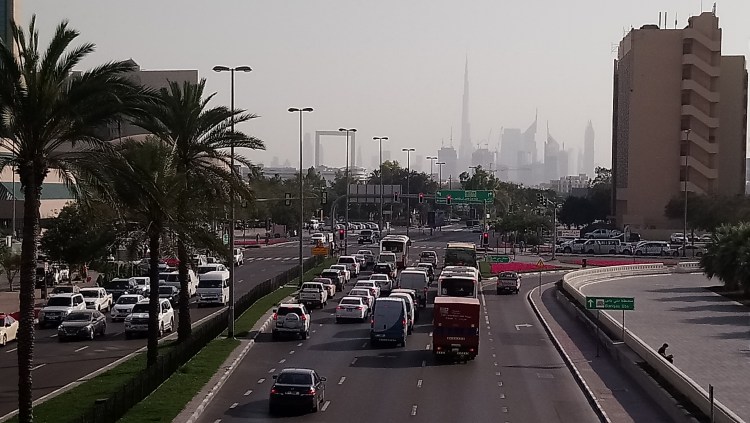
This is reflected in Dubai, where major developers in the Philippines have through the years set up satellite offices for a huge market of about half a million OFWs but are now unanimous in saying they have clients in quandary about how to continue paying for their properties.
Protection
Atty. Barney Almazar, director at Dubai-based Gulf Law, said OFWs facing predicaments like this are protected under Republic Act No. 6552, the 1972 Realty Installment Buyer Protection Act, authored by the late Sen. Ernesto Maceda.

The law has provisions allowing default-borrowers to pay the unpaid installments interest-free at a rate of one-month grace period for every year of installment payments.
This, Almazar explained, means that an OFW who had continuously paid installments for four years, for instance, is relieved of four months’ interest for the unpaid installments being settled.
“You can only exercise this remedy once every five years as provided by the law,” Almazar said.
He also stressed that this covers those who have made at least two years’ installment payments.

There is likewise an option for those who have made at least two years’ payments, for a refund at a so-called “cash surrender value” if in case the contract is cancelled.
The law requires a 50% refund of the total payments made for the first five years and an additional 5% for the succeeding years. The statute also provides that down payments, deposits or options on the contract should be included in the installments made.
Meantime, provisions for those who have made less than two years’ installment require the developer to give the default-borrower a grace period of not more than 60 days from the date the installment was due.
Failure to pay by the end of the grace period would allow the developer to cancel the contract after 30 days from receipt by the buyer of the subsequent cancellation notice, the law states.
Almazar explained that these provisions do not apply to those making payments with the bank, in which case they are given a “redemption period” if the property has been foreclosed.
“When the bank forecloses the property, you are given the opportunity to buy it back from them,” Almazar, a recipient of the Philippines’ Ten Outstanding Young Men (TOYM) award, said.
Negotiations
Beth Camia (real name withheld on request), who, along with her husband, acquired a P2.5 million property near SM Southmall in its pre-selling stage years ago. “Na-turnover na dapat, kaso lang medyo ilang buwang hindi kami makabayad,” she said.
It takes between four and five years of monthly payments for a condo unit, whose contract was signed at the pre-selling stage, to be turned over to the owner.
Pre-selling means the actual unit – or building itself – has not been constructed. Most OFWs prefer pre-selling deals because it is a lot cheaper and as the property appreciates over time, the actual price would usually have more than doubled from its pre-selling rate when the key is finally turned over.
Some OFWs “flip” the property or sell it after it has been turned over to them by the developer; others rent it out and use part of the money for the monthly mortgage with the bank which takes over financing.
Camia, an assistant teacher who has been without jobs for four months as schools were closed due to the pandemic, said they have been locked in negotiations with the developer as a result.
Her husband, a seafarer, she said, was still on a boat at the Persian Gulf, which could not dock also due to Covid-19 measures.
“Hindi kami maka-move,” Camia said. “Ito naging problem now. Hindi makahulog asawa ko kasi nasa laot, hindi makalapag. Pero bibigyan naman daw kami ng option to pay,” she added.
Developers and the banks have said they welcome efforts by OFWs who have been delinquent or have defaulted on their payments to sit down and seek a middle ground to save the investment.
 The Daily Bread