There is a way out for overseas Filipino workers in a quandary with their condo payments: A negotiated adjusted payment plan, developers say.
Property developers in Dubai said they have been having OFW clients facing problems with their payments.
“We have some cases of clients defaulting on their monthly down payment,” said Manuel “Manny” Arbues II, Ayala Land International Sales regional head for North America and the Middle East. He added that these cases “were already at the banks’ monitoring.”
“Meron kami niyan,” said another developer representative on condition of anonymity. “Puro loan take-out accounts dumaan sa ‘kin now. Mga turnover units na,” she said.
Takeout accounts are those where clients were already done paying down payments or equity and whose properties are with the bank to which they regularly make payments. “Yung balance nila for the unit ay bank loan na,” she added.
Adjusted plan
Miguel Bilan Jr., Sta Lucia Int’l. sales and operations manager, said they, too, have encountered OFWs having problems with their payments. “Most of them were either placed on a no-work-no-pay status or experienced salary reduction as a result of Covid-19,” he said.

As a result, he said, they offer them adjusted payment plan or payment restructuring to avoid paying their arrears in lump sum.
“For OFWs having problems in paying their properties as a result of Covid-19, I strongly suggest that they communicate with their developer for proper guidance. For sure there will be some options available for them to lighten their burden. Most developers I suppose have come up with remedies to assist and keep their clients,” Bilan said.
In the case of those who have lost their jobs and gone home, “we recommend that they look for a relative or anybody they know and close to them who is willing to assume and continue the purchase of the property,” Bilan said.
Banks will be lenient
Vince Lubrin, licensed real estate broker with Robinson’s Land Corp. Int’l., said it would be better for OFWs facing foreclosures to get in touch with their loan officer in the bank and make a compromise agreement.
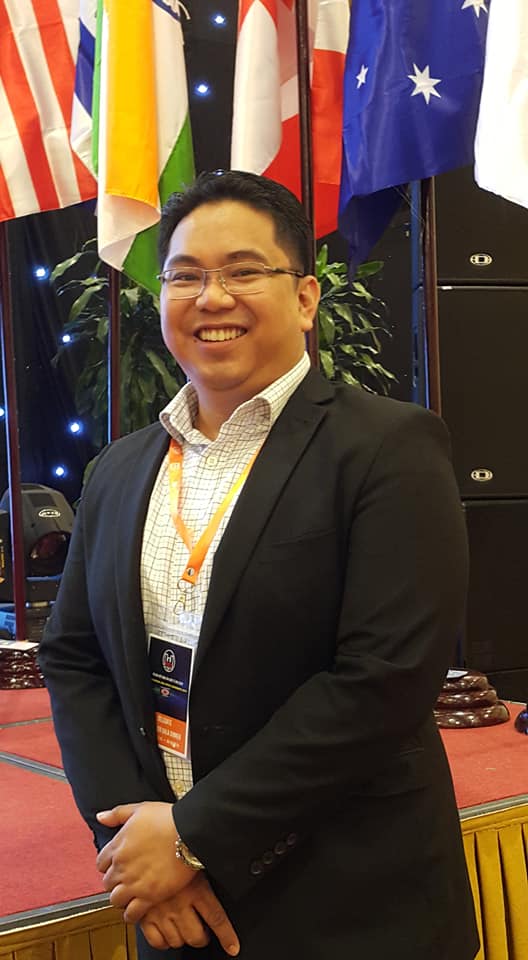
“Banks will be lenient to make re-structural loan proposals suitable for both parties,” he said. “Remember that the banks’ main business is to keep their money moving. As much as possible, they don’t want to foreclose properties because it would be an idle asset on their part,” he added.
Lubrin said he anticipates that many OFWs in the UAE would default on their payments due to job loss or salary deductions.
Meantime, he said that most of their clients caught in a bind with payments were those who have signed in the pre-selling stage.
“Since the Covid pandemic started last March 2020, some of our clients particularly in UAE, have difficulties in paying their monthly amortization, especially those who were still in the pre-selling stage,” Lubrin said.
He said those who have already mortgaged their condo units to the banks and were renting out were not much affected. “Only very few of them,” he said.

Lubrin noted that real estate companies have implemented a moratorium during the pandemic in compliance with the Bayanihan Act where they did not collect monthly amortization from March to June, 2020.
“Personally,” he said, “I advise my client to write an email regarding the non-payment of their monthly amortization and ask for an extension, so that it would not be an additional burden on their part to pay since expenses have piled up,” Lubrin said.

Most OFWs prefer investing in real property to gain passive income and as preparation for retirement.
Bloomberg, citing Colliers International Group Inc., recently reported that residential condominium prices will drop by 15% this year from a year ago before slightly recovering in 2021due to the contraction that the pandemic has caused.
 The Daily Bread