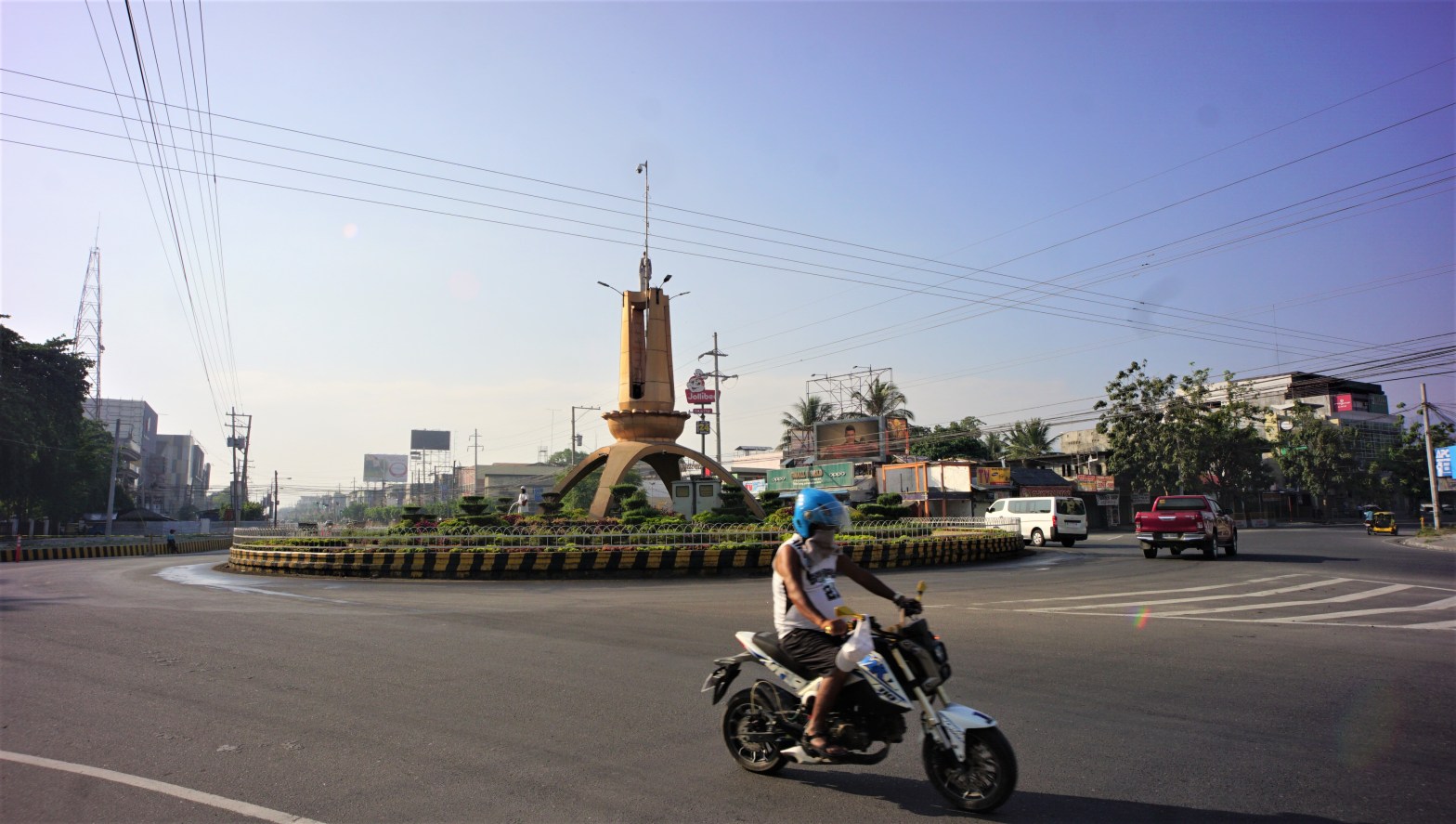
As Metro Manila was battling Covid in March, medical front liners in South Cotabato, a province some 1,000 kilometers away, were already having all hands on deck to tackle the pandemic head on.
With help from the provincial government, they converted an infirmary into a Covid hospital and pushed hard to have their own swab test set up, instead of having to send samples to Davao City, which is some three hours away by land, and wait for 12 days to get results by which time the patient would have long died. Having the test done in South Cotabato, on the other hand, drastically reduced waiting time for the results to eight hours.
Koronodal, capital of South Cotabato and home to approximately 200,000 residents, reported its first Covid-19 case in March. By August, the situation started to worsen with an upward trajectory in the number of cases. Koronadal City, itself, appeared tethering on the verge with 196 cases of which 96 were active on September 30.
Eight months later on Dec. 27, total confirmed Covid cases in the entire province stood at 1,127 of which 1,029 have recovered; 64 were active ones, down from 75 several days earlier; and 26 have died, according to the South Cotabato Integrated Provincial Health Office’s Provincial Epidemiology and Surveillance Unit (SCIPHO-PESU).
Local officials concur that the numbers could have been far worse had the province’s medical experts not acted ahead of time and restrictive measures not put in place.
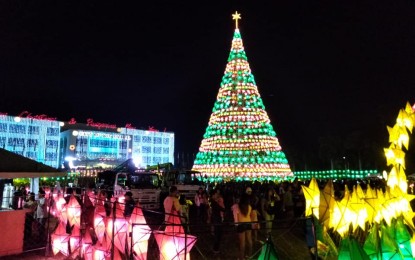
These holiday period, residents are taking on the festive hat, albeit with a bit of caveat as the threat of a coronavirus onslaught appears to have been repulsed following concerted efforts by the medical front liners, the provincial government and the private sector to flatten the curve.
‘First challenge’
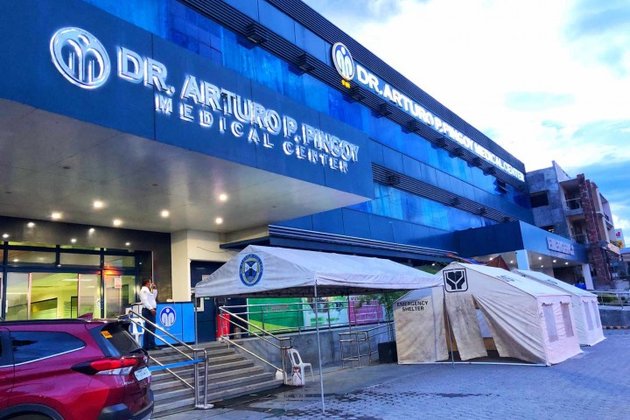
“First challenge was converting an infirmary into a hospital capable of taking in ICU cases,” said Dr. Virginia Montañano-Sulit, adult pulmonologist and Chief of Clinics at Dr. Arturo P. Pingoy Medical Center (DAPPMC) in Koronadal City, where the first confirmed Covid case was reported.
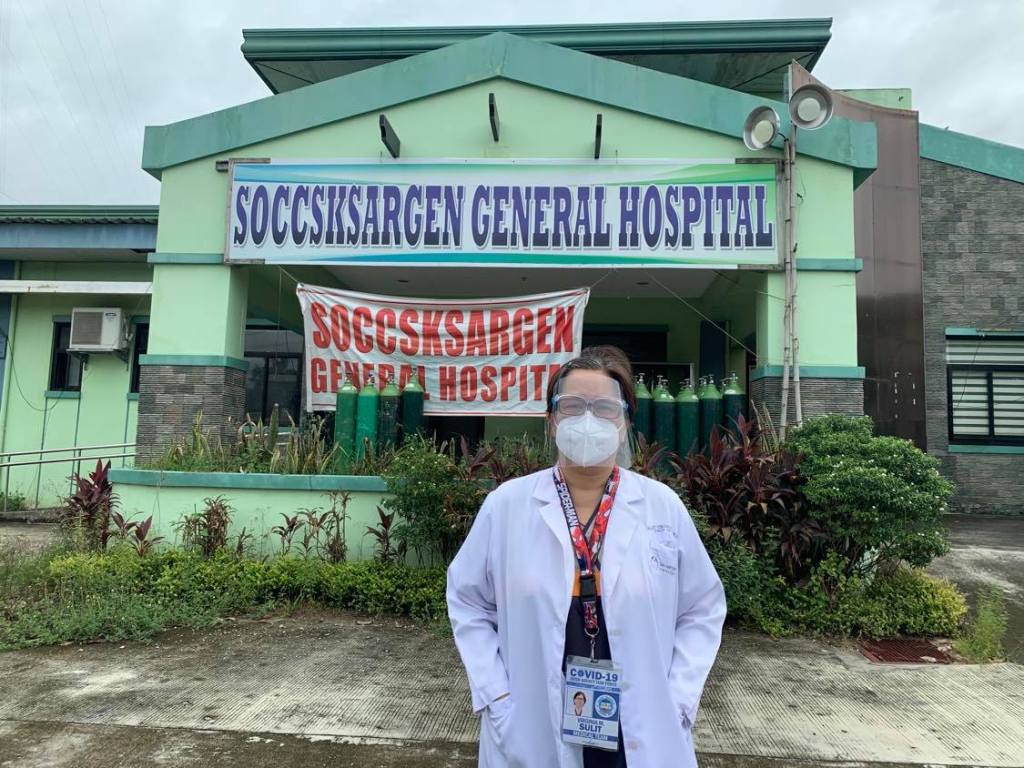
Dr. Sulit is also designated head of the South Cotabato Covid Medical Management Committee (SCCMMC), which has 21 consultant-members grouped into what is known as the South Cotabato Covid Volunteers (SOCOVID).
The team is composed of DAPPMC Medical Director, Dr. Nanette Pingoy-Franco, a rehabilitation medicine specialist; a surgeon; two pulmonologists, including Dr. Sulit, herself; two cardiologists; four anesthesiologists; a neurologist; a nephrologist; two family medicine practitioners; three internal medicine practitioners; two obstetricians; an endocrinologist; and an ear, nose and throat (ENT) specialist. All were on call 24-7.
‘Major make-over’
“It was a major make-over in terms of supplies, equipment, training of staff on critical care… most of what the World Health Organization’s (WHO) advised for Covid facilities. So, we had to set up the monitors and ventilators; prepare the supplies; train the different hospital staff on how to disinfect rooms and equipment, how to do the triaging of patients coming in, how to don and doff the PPEs, and so on,” said Dr. Sulit, a biology graduate from University of the Philippines – Diliman, who obtained her degree in medicine at University of the East – Ramon Magsaysay Memorial Medical Center.
“It used to be just an infirmary, but because of the urgency of the Covid situation, the provincial government, the SOCOVID volunteers and the Dr. Arturo P. Pingoy Medical Center set it up at around the third week of March to accommodate moderate to critical cases. We began accepting patients in April,” Dr. Sulit said.
The converted infirmary, where moderate to critical Covid patients throughout South Cotabato would be sent for treatment, only has 18 ward beds and three ICU beds, according to her.
The Department of Health (DOH) Region XII took jurisdiction of the infirmary, which used to be the Upper Valley General Hospital, and renamed it as Socsargen General Hospital (SGH) in January this year.
Dr. Sulit said there were new buildings around the original infirmary because the long-term plan was to convert the whole compound into a hospital for all the five provinces comprising Region XII – South Cotabato, Cotabato, Sultan Kudarat, Sarangani and General Santos or SOCCSKARGEN.
Daunting
Meanwhile, an even more daunting task, Dr. Sulit said, was setting up Polymerase chain reaction (PCR) testing in Koronadal for faster release of the results instead of having to send samples to Davao City where it would take 12 days to confirm whether the person who was swabbed was positive or not.
“Back in March, Metro Manila was getting hit so bad with so many cases and so many healthcare workers dying. We were scared over here. At that time, we did not have access to testing. We had to send our swabs to Davao City and we would get the results after 12 days pa. By then, plenty of critically-ill patients have already died,” Dr. Sulit said.
She said there were also many incidents involving Covid suspects, who have died and were already buried or cremated within 12 hours of death as per DOH protocol, only to later on be declared Covid-negatives after test results have become available.
“The effect,” Dr. Sulit said, “was that so many sick people and the vulnerable ones avoided coming in for check-up and confinement due to fear that in case they die, there’d be no wake.”
Because the 12-day delay could not be helped, South Cotabato Gov. Reynaldo Tamayo, Jr. worked hand-in-hand with Dr. Rogelio “Toto” Aturdido Jr., head of the Integrated Provincial Health Office (IPHO); Dr. Pingoy-Franco, along with Dr. Conrado Braña, chief of South Cotabato Provincial Hospital (SCPH), to ensure that PCR testing be done in Koronadal City.
This, noting that by doing so, it would only take eight hours for the results to be made available, according to Dr. Pingoy-Franco.
Red tape
Having the PCR tests done in Koronadal was not really like moving mountains because DAPPMC, the only ISO-certified hospital in South Cotabato, already has the facility even before the Covid pandemic happened while SGH has the Genexpert machine.
Dr. Sulit however lamented that red tape stood into the way of allowing DAPPMC to conduct the PCR tests using this technology even as preparations were gathering steam in the early months of the pandemic. “Surprisingly, despite this medical crisis, some people could not be flexible to fast-track what needed to be done to allow us to diagnose our patients much earlier,” she said.
She said the Genexpert machine and the cartridges were finally approved around May by DOH following persistent prodding by the South Cotabato local government and the medical front liners.
Genexpert is a type of PCR test that is faster than the traditional PCR or the RT-PCR (reverse transcriptase PCR), Dr. Sulit explained.
“Our province already had Genexpert machines for tuberculosis diagnosis even before Covid. Since available na ang machine sa SGH plus biosafety level 2 (BSL-2) capable ang TB laboratory ng DAPPMC, we fought to have the testing here,” Dr. Sulit said.
“It helped a lot that our governor was very supportive of us front liners. He and the the IPHO worked out the budget for our supplies. The business sector here also contributed a lot, including our fellow doctors who could not volunteer in the Covid hospital. So, it was a lot of sectors coming together to help us in the Covid center, including donors of food to hospital workers in the private hospitals,” she said.
The Covid laboratory, which was at DAPPMC, became operational in June.
PPE Diapers
Meanwhile, fighting Covid did not only mean struggling with red tape; it also meant having to bear the discomfort of having to wear diapers while wrapped in a PPE.
“You can’t change your PPE every time you need to pee, sayang yung PPE,” explained Dr. Sulit, adding that nurses at SGH have to wear theirs for six hours straight while those in the private hospitals need to for 12 hours of duty shift. “So, all the more the need to wear diapers often,” she said.
Dr. Sulit said they also have washable coveralls to save on hazmat suits. “We reserved the hazmat suits for the anesthesiologists when they intubate patients, for the surgeons and for the nurses assisting them,” she said.
“It was tough last March till May. Because of the lockdown, walang mabilhan ng hazmat suits kasi no flights. So initially, konting hazmat suits, mostly cloth washable coveralls,” she added.
‘Heavy months’
By August and September, Koronadal’s residents started feeling the coronavirus’ presence in their midst as numbers went on an upward trajectory from 16 total Covid cases on August 19 to 196 on Sept. 30 of which 96 were active, according to the city government.
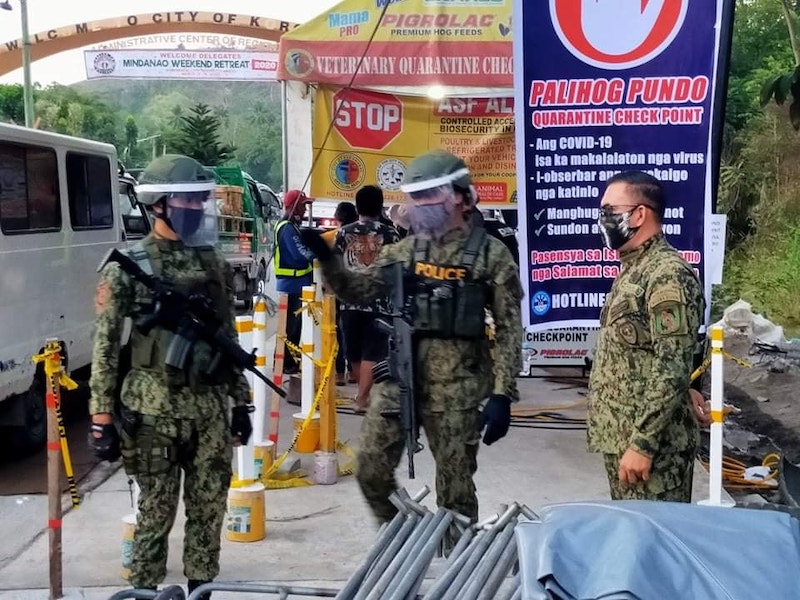
At the converted infirmary, Dr. Sulit said beds started to be in full capacity.
“The SGH staff was divided into three teams of nurses, med technicians, X-ray technicians, pharmacists, respiratory therapists, utility workers, dietary and laundry staff,” she said.
“Nurses took six-hour shifts. Each team has a doctor resident on duty. And then there’s us, the SOCOVID volunteer consultants with our designated on-call days. Each team stays in the Covid center for seven days then goes into quarantine for 14 days,” Dr. Sulit.
She said all SOCOVID volunteers could be called upon to assist when extra hands were needed. “We have been available 24/7 by phone, by messenger and when asked to be there. If the first call was not available, the second and subsequent on-call were asked to respond,” she said.
To address the situation, Koronodal Mayor Eliordo U. Ogena placed Koronadal under General Community Quarantine (GCQ) from Sept. 26 to 30; and under Modified General Community Quarantine (MGCQ) from Oct. 1 to 31 except for areas placed under Enhanced Community Quarantine (ECQ) or lockdown.
The city, for the past previous months have been under MGCQ despite recommendations by the South Cotabato Medical Society (SCMS) for a full lockdown.
Dr. Aturdido Jr., for his part, told a press conference held Sept. 23 that South Cotabato was bearing the brunt of the pandemic. “We can no longer determine the origin of some infections that were detected in our communities,” he was quoted as saying during the media briefing.
According to IPHO, there were some 22 Covid-19 infections among medical and health workers in the city the week before, with 11 coming from the City Health Office (CHO), 10 from the South Cotabato Provincial Hospital (SCPH), and one from a private hospital.
Aturdido also said study showed that coronavirus’ infection rate in Koronadal city was very high at 13.07 percent per 10,000 of the population from August to the second week of September – meaning 13 people in every 10,000 of the population could contract the disease during this period.
Things finally got better by late October, an indication of which was an announcement by City Health Officer, Dr. Edito Vego made on the city government’s Facebook page, that they have stopped using a hotel as a Covid-19 isolation facility because the number of cases has continued to decrease.
Looking back, Dr. Sulit said the arrival of locally stranded individuals (LSI) as well as returning overseas Filipino workers (ROFWs) factored in.
“When the locally stranded individuals and ROFW’s or returning OFWs started getting bused in and flown in, the numbers rose. Understandable yun, kasi imported ang Covid. Manila and Cebu have international flights getting in, then Covid dissipated to the provinces,” she said.
Festive
On Dec. 8, the city government officially opened the Paskuhan Village at Prime Regional Center on Carpenter Hill as part of a Christmas campaign dubbed “Paskoronadal 2020,” highlighting festive celebrations in the new normal.
Relative calm has descended and residents were keeping fingers crossed that the worst was over. Nonetheless protocols like social distancing and the wearing of masks, remain to be strictly enforced.
Koronadal City is the administrative seat of Region XII. It is also famous for its waterfalls and the annual Hinugyaw Festival.
South Cotabato, also called as the “Land of the Dream Weavers” yearly celebrates the T’nalak Festival. T’nalak is the cloth woven by the lumads, which, in the province, are called B’laan and T’boli.
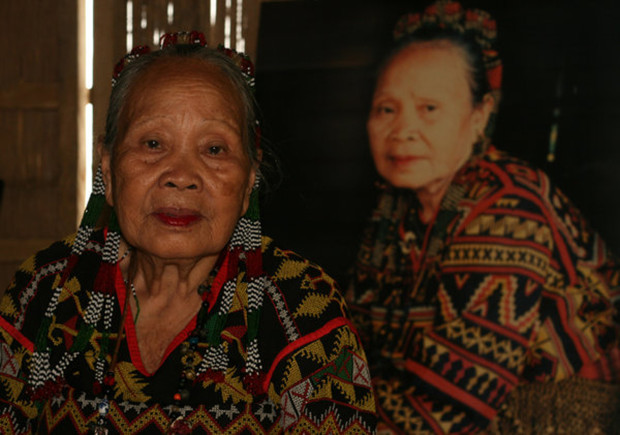
Among prominent figures of the country was one such weaver – Lang Dulay, a recipient of the National Living Treasures Award, who was a well-known T’nalak weaver from Lake Sebu, South Cotabato. She passed away in 2015.
 The Daily Bread