OFWs in UAE defaulting on loans due to pandemic

DUBAI, United Arab Emirates: More people in the UAE, including overseas Filipino workers caught in the midst of credit payments when the pandemic struck months ago, have been defaulting on their bank loans because of job loss, salary cuts or no-work-no-pay arrangements with their employers due to COVID-19.

This at hand, Consul General Paul Raymund Cortes allayed anxieties, saying the re-opening of Dubai’s economy following three months of strict anti-COVID-19 measures will “bring more confidence among Filipinos.”

Consul General Paul Raymund Cortes

“While many kababayans were indeed affected by the Covid-19 pandemic and the lockdown that ensued, the re-opening of Dubai to international tourists is hoped to bring more confidence among the Filipinos in the country not just in Dubai’s economy or the UAE’s, but more so, a foreshadowing of how the global economy can take its cue from the UAE’s strongest resolve to bounce back to the economic levels before the crisis,” Cortes said.

Hard-numbered statistics are hard to get by, nontheless Atty. Barney Almazar, 2015 Ten Outstanding Young Men (TOYM) awardee and director at Gulf Law Consultancy, provided a picture, noting that their figure has increased by 100%.

“I don’t have the official statistics of the borrowers severely affected or could not pay due to COVID, but what I can confirm is that the numbers of defaulters have increased by 100% based on the number of inquiries and requests for assistance we were getting before and during the pandemic,” said Almazar, who also was recipient of the 2016 Asian Legal Business Young Lawyer of the Year for the Philippines.

He said 60% of their loan-related clients were Filipinos; the rest, Europeans and South Asians.

Atty. Barney Almazar (Facebook grab with consent)

“As more companies are closing, we expect the number to grow,” Almazar, known in the Filipino community here for his advocacies toward overseas Filipino workers (OFWs), said.

Most loans that the law firm settles involve credit cards, according to the lawyer. “We recommend to convert the card balances to a fixed-term loan so that interest will be lowered and they can pay at an agreed term,” Almazar said.

He said there also were OFWs with pending debts back home.

“Their loans have piled up since the tendency is to borrow to repay an existing loan. But they end up having so many loans that they can no longer manage,” Almazar said, adding that the debts range from Dh30,000 to Dh1 million for credit cards and personal loans. He said those paying mortgages back home has loans going as high as Dh5 million.

Indeed, said Almazar, the primary legal concern in the UAE are police and civil cases from unpaid loans, adding that the law firm last month had up to 200 inquiries and requests to help settle their loan obligations.

“They can ask for deferment of payments if they lost their job, salaries have been reduced, or they were on a no-work-no-pay set-up,” said Almazar.  A bounced cheque of more than Dh200k will merit a jail term, he said.

“The best solution is to negotiate with the banks, taking into consideration their personal circumstances and central bank regulations to strengthen their bargaining position. We can also use humanitarian grounds to get some concessions,” Almazar said.

SagipKabayan-UAE

Several overseas Filipino workers (OFWs) have meantime banded together under the group, SagipKabayan, which has embarked on a charity program for fellow OFWs heavily impacted by COVID-19.
Franz Ramirez-Angeles (Facebook grab with consent)

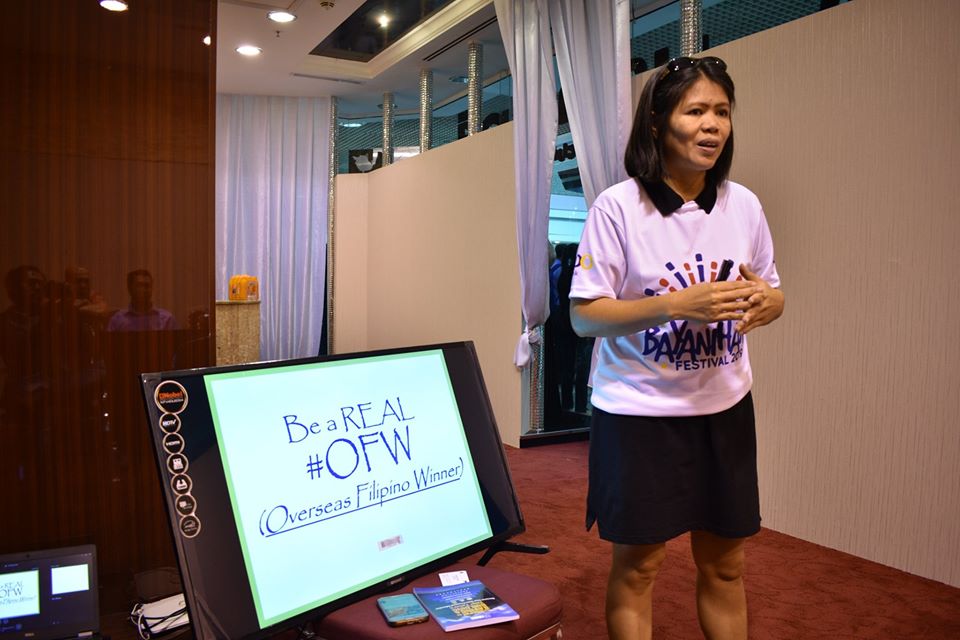
Franz Ramirez-Angeles, a financial literacy advocate, whose among those spearheading SagipKabayan-UAE, said over 500 OFWs in two batches have benefitted from their program of which a sizeable number were those locked in loan issues due to job loss or measures implemented by employers to cut on costs, like no-work-no-pay arrangements or reduced salary which are legally allowed.

“Madami po tayong mga kababayan na nawalan ng work, yung iba naman no-work-no pay, ang nangangailangan ng tulong. Madami din po yong ang work nila ay sa schools, mga nasa cleaning companies; marami din on visit visa na on job hunting. Sila yung mga ‘kasagip’ recipients of relief, usually food and other personal necessities. Sila po yong tinutulungan ng mga ‘Kabayani’ na nagdo-donate and coordinated by SagipKabayan-UAE,” Angeles said.

She said they have encountered a large number of OFWs through their program who have pending loan problems. “Marami sila,” Angeles said, adding however that they don’t go deeper into their recipient’s financial state for privacy reasons, which is why they don’t have actual figures listed.

“Actually, ang tinatanong lang namin sa kanila ay kung ano reason why they need help. We don’t go down to the information about their loan issues,” Angeles said.

Ben Lebig, Jr. (Facebook grab with permission)

Ben Lebig, Jr., also a financial literacy and OFW entrepreneurship advocate, meantime shared that despite the absence of actual numbers especially considering the fluidity of the current situation, it can be said that OFWs with loan problems can count to the hundreds.

“Most definitely. Majority pa nga…since kapag nawalan sila ng work, mas priority na ang basic needs like food and rent compared to loan repayments,” he said.

TODAY’S TOP NEWS: Holders of expired UAE visit visas have 1 month to change status

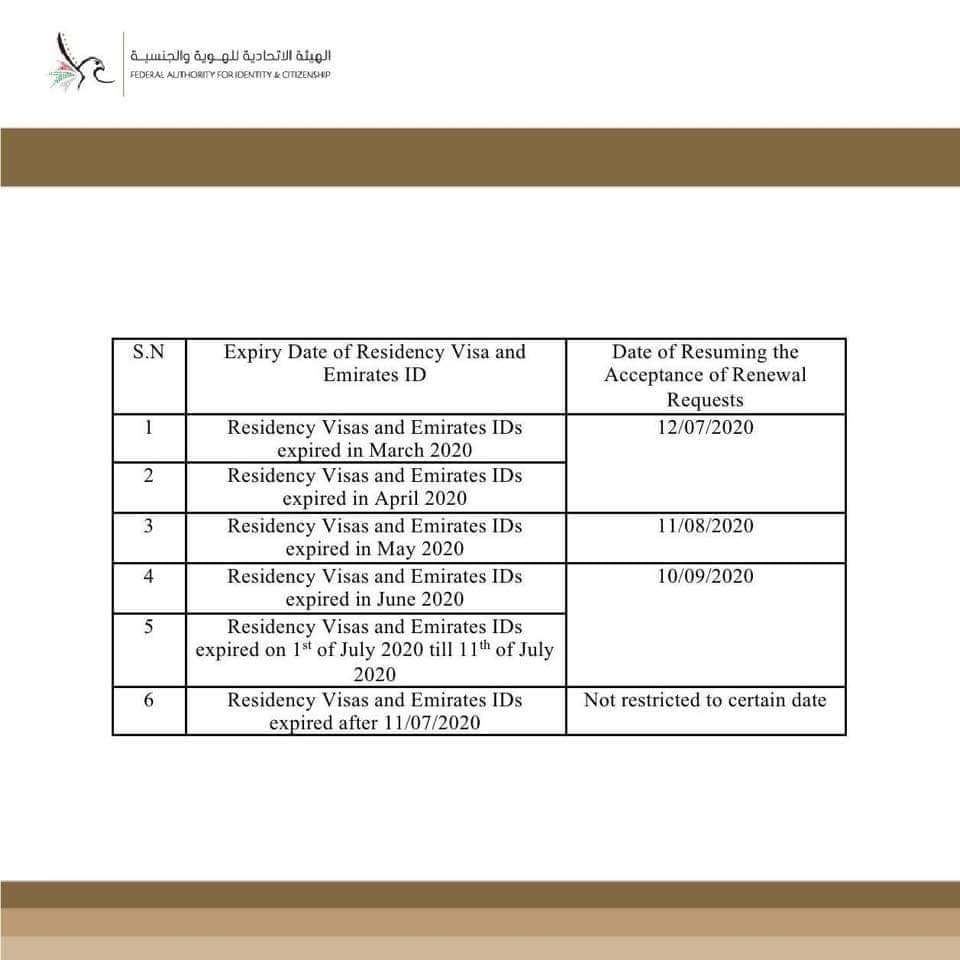
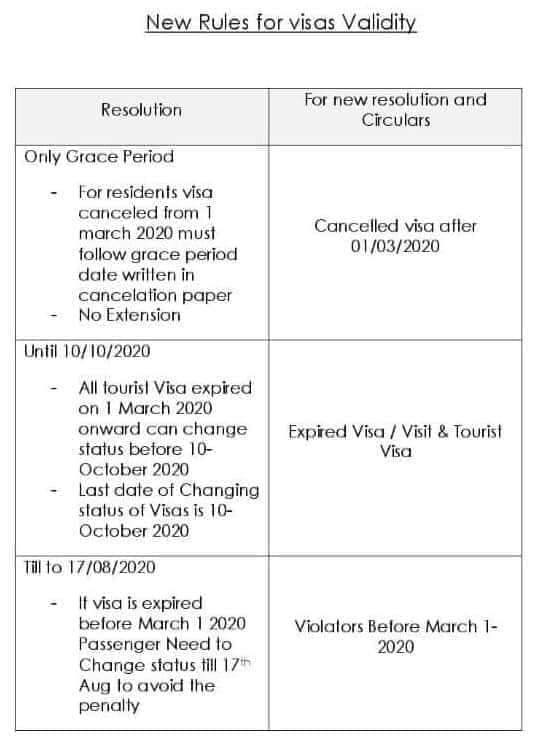
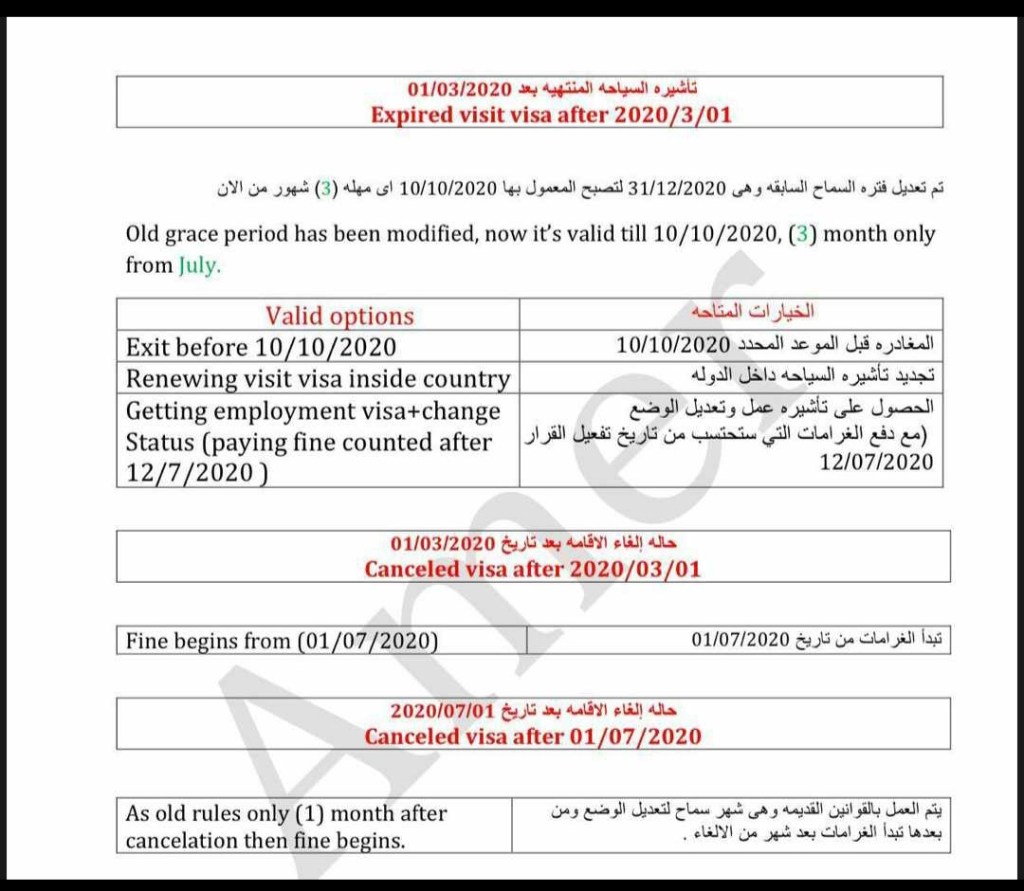
Foreigners in the UAE with visit visas that had expired after March 1 this year has one month to renew or leave the country so that they could avoid fines, local media today reported citing a top official of the Federal Authority for Identity and Citizenship (ICA).

Speaking to a local TV network, ICA spokesperson, Brig Khamis Al Kaabi, said the one-month window started yesterday July 12, reports by major local dailies stated, as per new visa policies approved by the UAE Cabinet on Friday, July 10.

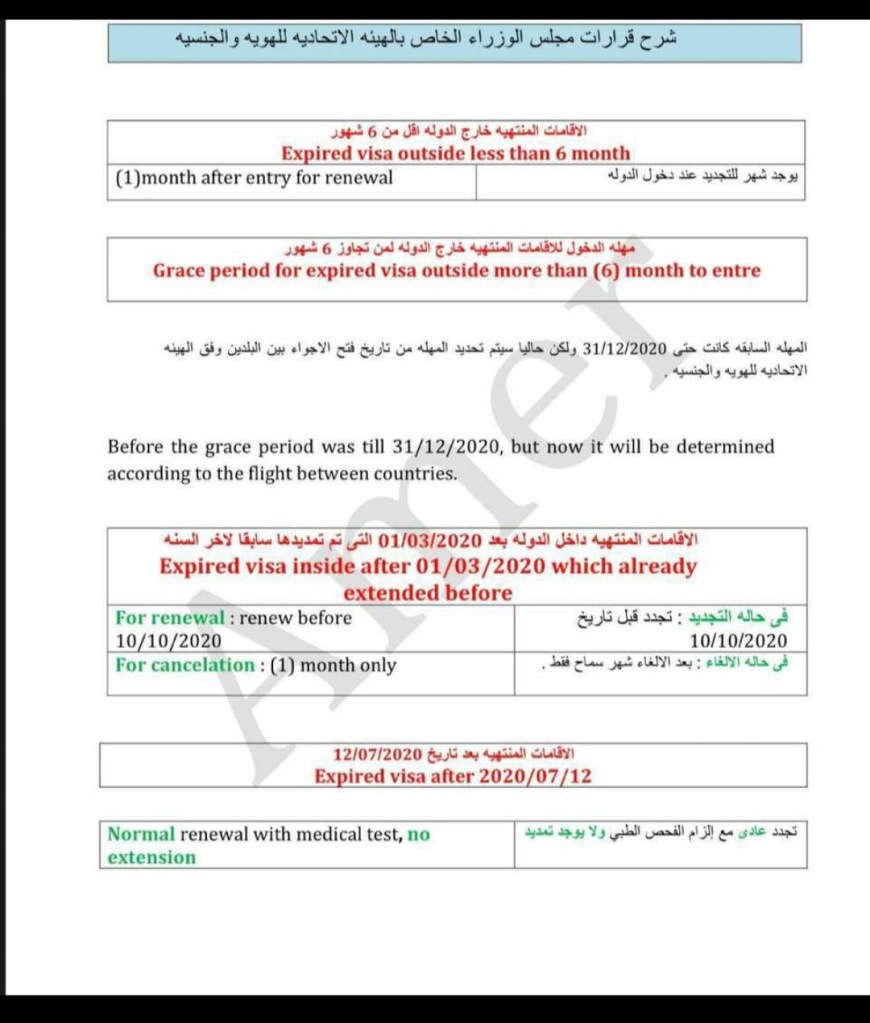
The Cabinet decision reversed all prior resolutions made in connection  with residency concerns, visa validities, national ID cards and entry permits, including the extension of expired visas and IDs until December 31, 2020.

The ICA official also reiterated that residents and citizens in the country have 90 days to renew their documents while those outside have a one-month window for renewal, with grace period being on the date of their arrival in the UAE.

Everything you need to know about UAE’s new visa policy

DUBAI: The UAE government has announced changes in its visa policies following careful review of the current situation.

With this development, overseas Filipino workers (OFWs) scrambled to inquire about their visa status as the updated regulations rescinded those made during the height of the COVID-19 pandemic in March.

The new policies, according to Emirates News Agency (WAM), official news organization of the UAE government, took effect yesterday, July 11, 2020.

Assistance

In light of this, Consul General Paul Raymund Cortes said the Philippine missions in the UAE is on standby to provide assistance to OFWs who might be affected by the changes in the visa policy and opt to return home instead.

Consul General Paul Raymund Cortes

“Both the embassy and the consulate reiterate its commitment to assist all Filipinos who express their intention to return to the Philippines. The Department of Foreign Affairs (DFA) assures everyone that those who request to be repatriated will be assisted accordingly,” he said.

Another ranking DFA official said the Philippine’s foreign post in the UAE has, as of yet, no figures on the number of OFWs who could lose their legal status in the host-country as a result of the new policies.

The official assured nonetheless that DFA’s post in the UAE will provide help in line with the “whole gamut of services offered” to Filipinos abroad.

“The UAE government has every right to change or amend its rules, like all sovereign governments. To all affected, just like our mandate, we will help, assist, our nationals as much as possible,” the official said.  

Source: MPQ Travel and Tourism

Travel agencies flooded with inquiries

The announcement caused travel agencies to be flooded with calls from OFWs inquiring about procedures.

“Kahapon pa (when the announcement was made). Maya’t-maya ang tawag sa amin. Hanggang sa bahay walang tigil,” said Larry Esguerra, office manager at MPQ Travel and Tourism.

“Walang tigil ang mga telepono, landline at mobile. Daig pa namin ang call center,” he added.

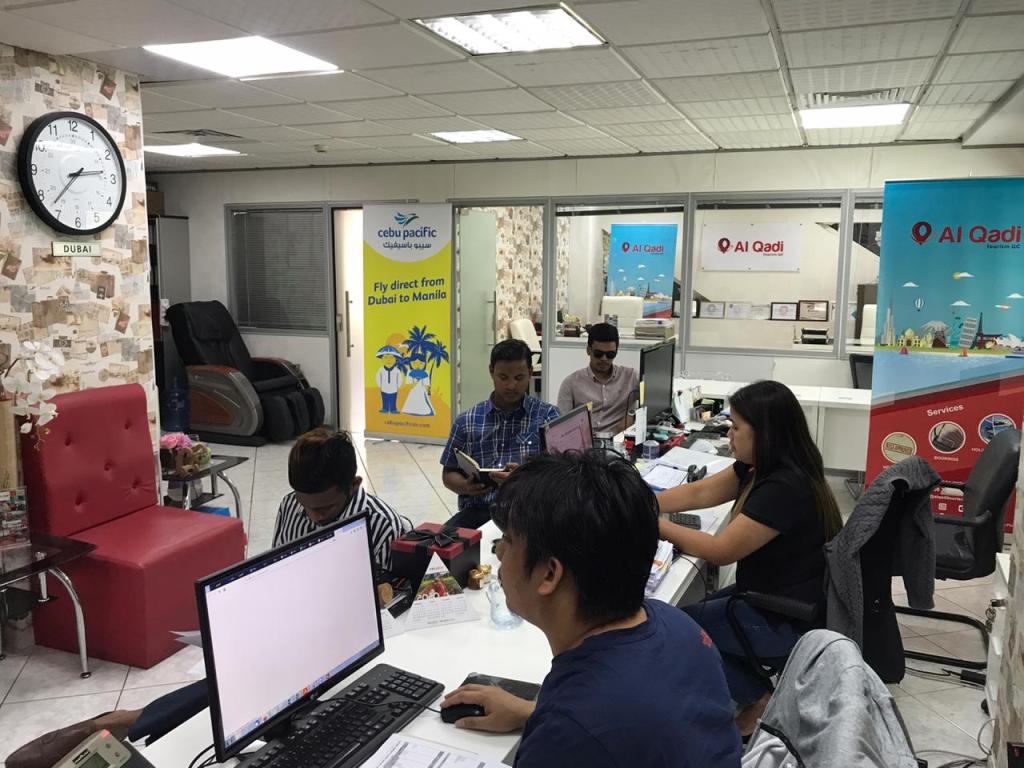
Sid Rivera, marketing manager at Al Qadi Tourism, said they were also having a huge volume of calls. “Nagpanic ang lahat. Super-dami ng mga tumatawag,” he said.

Source: Al Qadi Tourism

The new policies would, among others, cancel the Dec. 31, 2020 extension of residency visas that have expired between March 1 and 31, 2020.

Source: Al Qadi Tourism

It also cancelled the decision on the “validity of visas and entry permits for those inside the country from March 1, 2020 (to make it valid) until the end of December of this year.”  

“The decision on identity cards that expired on March 1, 2020, being considered valid until the end of December 2020, will also be cancelled,” the announcement further stated, apparently referring to the national ID.

Source: Al Qadi Tourism

The Cabinet, in its decision, also granted certain grace periods of up to three months for the affected residents and nationals to renew their documents.

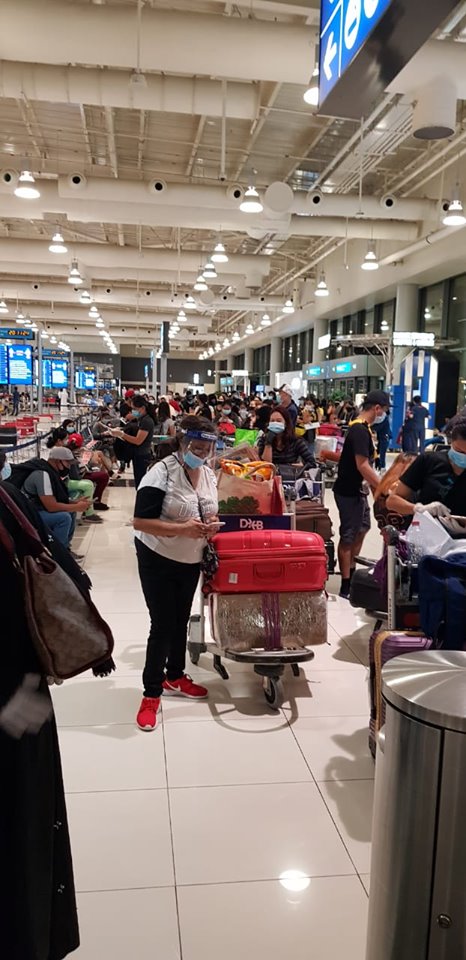
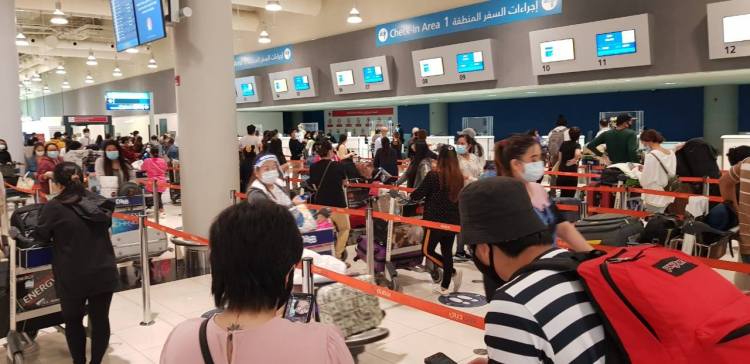
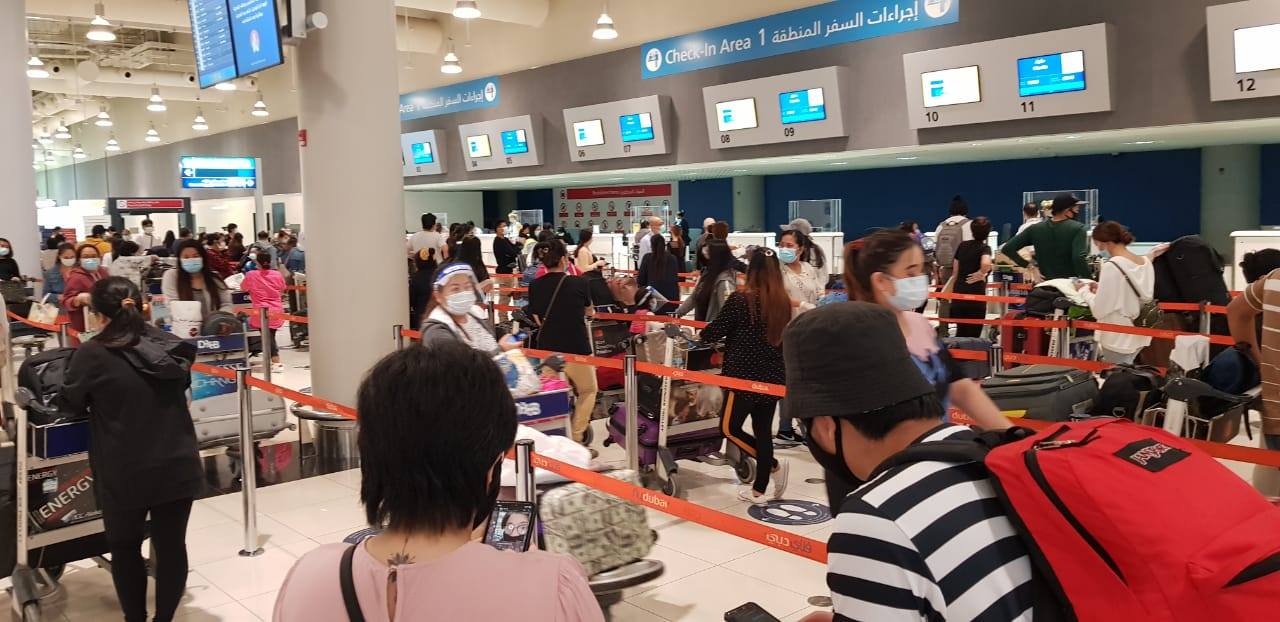
File photo of OFWs at Dubai International Airport. (Courtesy of the Philippine Consulate in Dubai)

Meantime, the announcement worried those with plane tickets for the Philippines that were cancelled to a later flight.

Among them was Jhoy Dumol Cabanalan Sales of Iloilo in central Philippines who arrived in the UAE with a visit visa on March 5, 2020. Her visa has expired on June 5 and she was able to book a flight home scheduled for July 1 but was postponed to Aug. 4, 2020.

“Sana maka-uwi na ako ng Aug. 4. Gustong gusto ko nang umuwi,” she said. “Nakakalungkot na po dito.”

WAM said the decision was made “after the current situation was studied in detail to ensure that there were no negative effects or repercussions on various sectors.”

Emirates Airline to require negative COVID-19 test before boarding

Passengers from the Philippines as well as 11 other countries are now required to present a negative COVID-19 certificate upon boarding Emirates Airline flights to the United Arab Emirates (UAE).

The new requirement, which follows a UAE government policy directive, took effect on July 10, according to an advisory from the Dubai-based airline.

“Effective July 10 onwards, all passengers travelling with Emirates from the countries or airports specified (in the list) have to carry a COVID-19 negative certificate issued by a local government-approved laboratory to be accepted on the flight,” the advisory read.

“Where specified, a certificate from a UAE government designated laboratory in the country of origin is also acceptable,” it added.

The airline also said certificates “must be issued no more than 96 hours before departure.”

Returning OFWs at Clark International Airport. (Photo by Phillipe Liwaliw)

The Philippines, which has 54,222 coronavirus cases and 1,372 COVID-19 deaths as of press time, has several hundreds of overseas Filipino workers (OFWs) who have been stranded after the UAE suspended all flights in March.

Among them is Kate Marajas, marketing officer at an Abu Dhabi-based real estate company, who told GMA Online News she was hoping that returning resident visa holders like her would be given consideration.

Kate Marajas

“I understand that they’re just taking precautions since COVID-19 cases are increasing. Pero I also hope that they’ll consider the resident visa holders first. Let residents enter the country kasi we’re also at risk of losing our jobs,” said Marajas who is currently staying with her family in Batangas.

Kris Ayuso, a Dubai-based OFW, made it back to the UAE on July 9, arriving at Dubai International Airport (DXB) around 4am. “Matagal lang ang pila (sa DXB) dahil sa mga documents na hinihingi, including Overseas Employment Certificate (OEC) at may swab testing sa airport,” she said.

Kris Ayuso

Like Marajas, Ayuso has been stranded since March.

Other countries on the advisory list were: Afghanistan, Bangladesh, Egypt, India, Iran, Nigeria, Pakistan, the Russian Federation, Sudan, Tanzania and the USA – Dallas Fort Worth (DFW), Houston (IAH), Los Angeles (LAX), San Francisco (SFO), Fort Lauderdale (FLL) and Orlando (MCO), including passengers originating from California, Florida and Texas connecting to an Emirates flight to Dubai.

On June 28, the UAE National Emergency Crisis and Disasters Management Authority (NCEMA) and the Federal Authority for Identity and Citizenship (ICA) announced that residents with valid residency visa permits who were currently out of the country must undergo a COVID-19 test and receive a negative result before returning to the country.

As part of the new regulations, the UAE government has issued a list of preconditions that need to be followed ahead of the approved return of foreign nationals with valid residence permits to the UAE.

All returning residents must also comply with 14-day isolation rules at home or in an isolation facility. In addition, they must bear all costs of tests and quarantine in the event that their private accommodation doesn’t meet required standards. Employers of foreign nationals with UAE visas should bear any such expenses whenever required.

Returning UAE residents were likewise instructed to download one of the approved smart phone apps so health authorities can monitor their status and ensure the safety of the public.

Over 3,000 Dubai OFWs want to go home; ask consulate’s help

DUBAI, United Arab Emirates: More than 3,000 overseas Filipino workers (OFWs) in Dubai whose means of living have been heavily affected by COVID-19  have decided to just go home, seeking help from the Philippine Consulate for their repatriation.

Most of those seeking assistance were jobless OFWs with no regular food supply nor place to stay as they have been behind rent payments, it was learned

“Medyo 3,000 mahigit po ang nagme-message ng repatriation,” Consul General Paul Raymund Cortes said.

Consul General Paul Raymund Cortes

“We have received a considerable number of requests and messages for repatriation. We ask for everyone’s patience as we are still sifting through all requests. As soon as the schedules for repatriation are finalized, the consulate will inform everyone of the repatriation details,” he said.

Cortes said priority is being given to those pregnant, the seniors, those with medical conditions, as well as tourist and visit visa holders.

“Nag-aantay rin kami ng approval to purchase tickets kaya sana patience rin po ng konti. Makakarating rin po tayo. Inuuna lang po ang mga buntis at may sakit. Ginagawa po namin ang kaya namin po. Naririnig po namin kayo kung kaya’t talagang priority namin ito,” he said in a group chat with reporters.

Stranded

Cortes’ made the assurance even as a group of about 1,200 OFWs most of whose bookings, organizers said, have been filed as early as April, have remained stranded following repeated cancellations of their flight schedules.

Rachelle Sytangco (not her real name by request) said a major concern among the stranded OFWs is overstaying as the 30 days allowed for them to remain in the UAE after termination from work have almost been used up, while others already have gone beyond that grace period.

The law charges a Dh200 overstay fine for the first day and Dh100 for each day from the second day onwards. A service fee of Dh100 is also charged at the time of exit.  

“Medyo nauubos na din po kasi yung 30-day grace period ng iba. Marami po overstay na dahil sa kaka-hintay ng flight,” said Sytangco.

Eased policies

The government has eased its immigration policies in light of COVID-19 measures where holders of visas that expired before March 1, 2020 have till August 18 to leave.

Those whose visas were valid from March 2 onward, on the other hand, has its validity extended till Dec. 31, 2020.

The regulations also cover visit visa holders, but not those whose employment or residency visas has been cancelled following termination of employment.

Sytangco, whose residency visa was cancelled on June 7 and who is now on a three-month visit visa that she filed for to buy more time, said she was fortunate to be able to have the needed money to extend her stay.

“Hindi po lahat kaya magbayad ng visa,” she said.

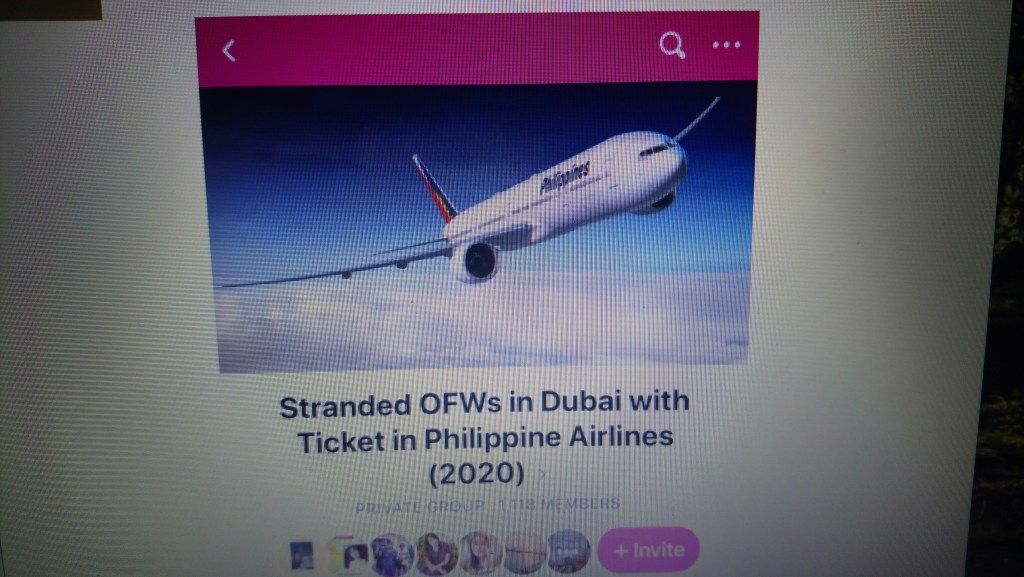
Their Facebook group, which was formed on May 21, 2020 and has a growing number of members, which stood at almost 1,200 members as of this writing, is comprised of OFWs that have booked with Philippine Airlines.

“Yung iba nagpa-refund na sa PAL, bumili na lang ng ticket sa (ibang airlines). The rest either rebooked ng August or are waiting. Almost lahat may ticket. Problem lang is wala talagang flight,” Sytangco said.

The airlines have been explaining that flight cancellations are a result of changes in in the Philippine governments COVID-19 measúres, considering quarantine procedures among other issues.

Calling DFA

Phillipe Liwaliw, one of the FB group’s admin and a flights operations officer for a private aviation company, meantime urged the Department of Foreign Affairs (DFA) to put more efforts on addressing the plight of stranded OFWs.

“Gusto ko pong ipanawagan sa ating pamahalaan na bigyan ng pansin ang ating mga OFWs at wag sana silang pabayaan pagdating sa ganitong panahon. Napakalaking hirap ang epekto ng pandemic para sa mga OFWs  

Phillipe Liwaliw

“Sobrang daming gustong umuwi gawa ng hirap ng buhay sa abroad  dahil wala naman din tayong makukuhang financial assistance sa government natin agad-agad at hindi po siguradong lahat ay mabibigyan ng sapat na tulong,” Liwaliw said.

Liwaliw is on a three- to five-month forced leave and is now in Manila.

“Mapapalaki po gastos ko if mag-stay sa Dubai. Napilitan akong magbook ng multiple tickets dahil ilang beses naka-cancel. Magbu-book po kami ng flight tapos maka-cancel and then they will open another slot and cancel the previous booking.

“Tapos pag-rebooking po ang bagal at ang tagal po nila magprocess. So, para sa mga kababayan natin na wala naman masyadong pera pang-book kawawa talaga,” he said.

PAL explains

Agnes Pagaduan,  PAL country manager – UAE, explained in a separate interview that the airline has “very limited flights.”

Agnes Pagaduan,  PAL country manager – UAE

“This July, we only had four flights and one was chartered by a company. Hopefully in August ay madagdagan.  Niri-review naman nila yan sa Manila every month,” Pagaduan said.

She explained that those whose flights have been canceled has the option to rebook, refund or convert the booking into an e-travel voucher that they can use later on, even after a year.

She said those who are holding a ticket and were cancelled between March 20 and July, need to approach PAL’s office in Dubai or Abu Dhabi for appropriate action, including refund, provided it was directly bought from the airline.

Pagaduan explained that there have been cases where refunds were taking time because the tickets were bought either from an online travel agent or paid through credit cards.

“PAL can not refund them. Yung agent ang magri-refund. Kung diretso sa PAL binili ang ticket and cash ang payment, we can automatically refund it, just give us one of two days,” Pagaduan said.

She added, “Hindi pa rin normal ang operation sa Manila office. Hindi pa rin pinapapasok ang mga tao. So may delay pero pino-process naman.”

Her advice to those who have bookings with PAL: “Mag-reach out lang kung kailangan ninyong mag-refund, rebook or travel voucher.”

The DFA has a repatriation program and has recently been able to charter a flight for over 300 OFWs.

Pagaduan said PAL has been able to accommodate the Philippine Consulate’s subsequent smaller repatriations in June.

“One hundred urgent OFW passengers ang naisakay namin in June,” she said.

There were more but Pagaduan said, “Hindi naming kaya na lahat sila i-accommodate.”

She said PAL is only allowed 350 passengers by the Interagency Task Force (IATF) in Manila.

Pagaduan said that those holding tickets may get in touch with PAL through the following numbers and email addresses:

Filipino human resource practitioners in UAE adapt to the new normal

Filipino human resource practitioners in the United Arab Emirates, which are in over 250 companies across the country, have adapted to the “new normal,” having come up with an online platform for those pursuing career growth in the field.

This, according to Robie Torre- Gonzales, president of the Filipino Human Resources Practitioners Association in the UAE, or more popularly, FilHR, for its chapter in Dubai and the Northern Emirates,  who said the group has banked on its resilience to tackle the disruption caused by the COVID-19 pandemic.

Robie Torre- Gonzales, president of the Filipino Human Resources Practitioners Association in the UAE, or more popularly, FilHR, for its chapter in Dubai and the Northern Emirates.

“We cannot allow any downturn to hold our plans for the affiliates. For a decade, we’ve been used to facilitating our workshops in a physical environment.  We were so used to seeing each other face-to-face, that we thought (for the longest time) that the passing on of knowledge and the retention of learnings are only possible when you get to see the speaker in person,” Gonzales said.

“But with the current situation, where everyone’s concern is safety, we were disrupted,” she added. 

Gonzales “explored the virtual learning experience” to address problems caused by the COVID disruption.

“Since there were HR Toolkits planned ahead of time and we just couldn’t miss the chance of a possible HR career advancement of the people who rely on us, we innovated into HR-Wired Toolkits,” Gonzales said. 

She said FilHR has converted the group’s workshops into a virtual learning experience.

“So far we have successfully facilitated five on-line sessions in the past two months since the start of pandemic.  And as we don’t have the crystal ball to see when this will be over, we make sure that the platform is ready and that relevant topics for HR practitioners in UAE are available,” Gonzales said. 

She said FilHR has a scheduled HR-Wired Toolkit until March 2021.  

FilHR recently celebrated its 10th anniversary, having been officially founded on June 25, 2010 with 44 members.

The group upholds its social objective of uplifting the Filipino HR practitioners in the UAE to attain HR excellence. It has become the venue for HR practitioners to connect with a professional network, excel through career development opportunities and encourage leadership development.

FILHR affiliates include HR directors, managers, learning & organizational development managers, business partners, as well as HR officers, specialists and assistants.

The FilHR is among several professional groupings of Overseas Filipino Workers (OFWs) in the UAE. Others include organizations for engineers, architects, medical practitioners, including psychologists and nurses; and journalists.

COVID: Dubai residents advised to avoid supermarket rush hours

The Dubai Health Authority (DHA) has issued guidelines on food safety that must strictly be observed to stop the spread of the coronavirus, among which include avoiding trips to the supermarkets during rush hours when social distancing is unintentionally neglected due to the huge crowd.

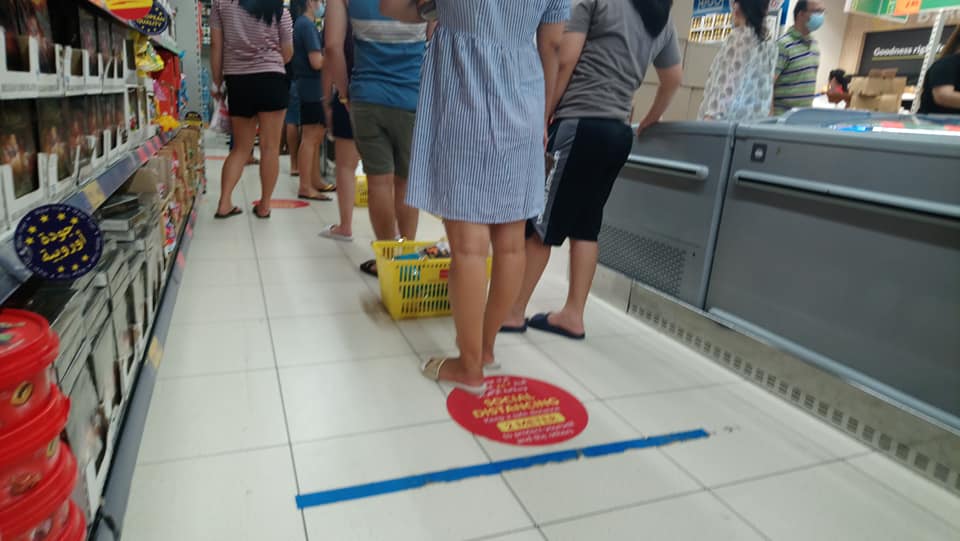
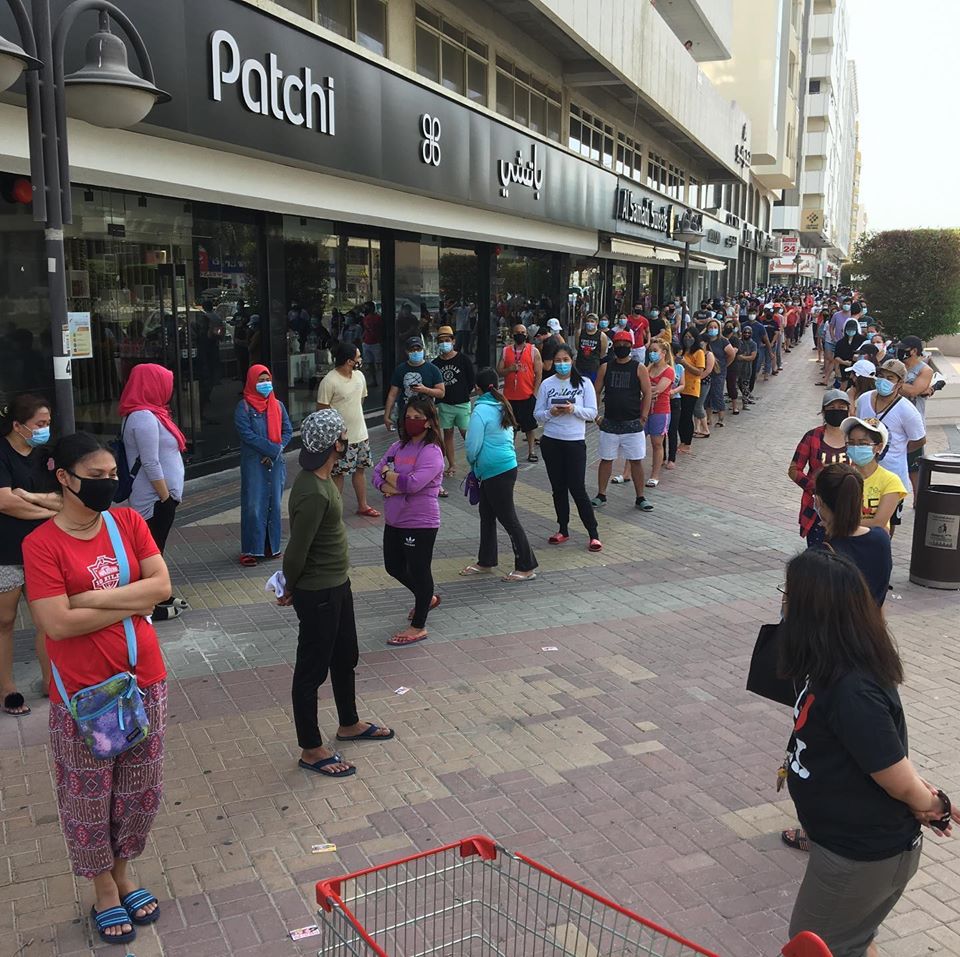
Customers line up for the cashier unmindful of social distancing. (Jojo Dass)

The call was made even as new COVID-19 cases have started to gradually go down after shooting up from 400 on July 2 to 672 the following day and 716 on July 4,  according to regular updates by the UAE Ministry of Health and Prevention (MOHAP).

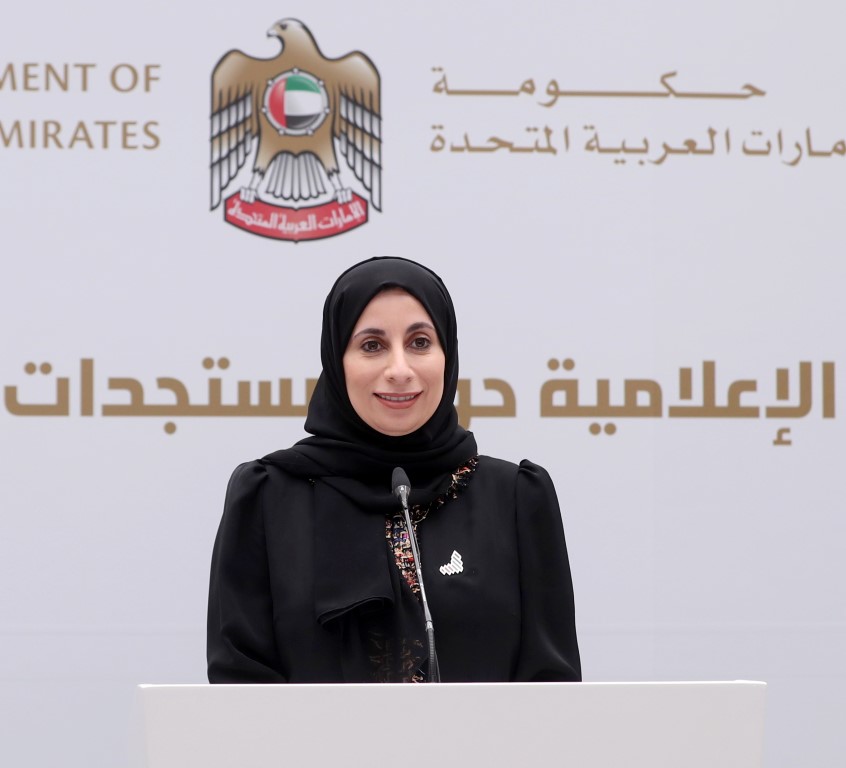
Dr. Farida Al Hosani of MOHAP during a regular breifing. (WAM photo)

Another 683 new coronavirus cases were detected on July 5, bringing the total number of cases in the UAE to 51,540.  As of July 7, new cases were at 532.

In an advisory, DHA issued a range of safety protocols for consumers regarding COVID-19 highlighted by guidelines on food safety while shopping, of which among salient points include the following:

Long queues at a supermarket where social distancing is almost non-existent. (Jojo Dass)
  • Avoiding trips to the supermarket during rush hours, and always wearing a face mask and hand gloves.
  • Preparing a list of groceries outlining essential items needed ahead of your trip.
  • Choosing long-lasting goods, and ensure you are aware of the production and expiration dates.
  • Reducing visits to the supermarket and food stores by pre-planning food needs.
  • Making sure to read the shelf life of food and storage instructions on the packages, and that the cans are not dented.
  • Buying chilled or frozen food at the end of the shopping trip to avoid melting of these products and staying out of the refrigerator for long periods.
  • Placing frozen and raw foods such as meat, eggs and fish in separate bags from the rest of the food products.

The advisory also urged consumers to clean canned goods and wash vegetables thoroughly before putting them in the refrigerator.

“The greatest risk of contamination remains contact with other people and surfaces that are exposed to frequent contact, such as food balance surfaces, shopping carts, and elevator buttons,” read the DHA advisory. “Try to reduce visits to the supermarket and food stores by pre-planning of your food needs,” it added.  

Another incident were social distancing looks ignored. (Jojo Dass)

In the past several weeks, the number of new cases was in the range of 400 to over 500. There were 346 new cases on June 16; 342 on June 15 and 304 on June 14, also according to MoHAP.

The detection is attributed to an aggressive COVID-19 testing campaign of the UAE government, where over 41,000 additional tests using state-of-the-art medical testing equipment were conducted on July 5 as per MOHAP announcement on July 5 as well.

Meantime, MoHAP reported a total of 326 COVID-19 fatalities and 41,714 recoveries from the total 52,600 cases.

The UAE government has recently started easing anti-COVID restrictions to jump-start the economy back to life but with an eye on continuously implementing strict protocols like mask-wearing and social distancing, while at the same time executing COVID tests in large numbers.

Main photo caption: Customers at a supermarket queue in for the cashier unmindful of social distancing. The Dubai Health Authority (DHA) has advised residents to avoid making trips to the supermarkets during rush hours. (Jojo Dass)

Cortes urges Pinoys in Dubai to be careful as COVID cases shoot up

DUBAI, United Arab Emirates: Consul General Paul Raymund Cortes, head of the Philippine diplomatic post in Dubai, has urged Filipinos not to be complacent against COVID-19 as new cases shoot up in the past few days.

“I wish to reiterate our advice to the Filipino community in Dubai and the northern emirates to continue taking precautions in regard to the efforts to curb the spread of the COVID-19 virus,” Cortes said.

“It is our obligation to ensure that we do not contribute to the spread of the virus in view of the relaxation of restrictions related to the movement of people,” he added.

The call was made following a sharp increase in the number of new COVID-19 cases from 400 on July 2 to 672 new cases the following day and 716 on July 4,  according to regular updates by the UAE Ministry of Health and Prevention (MOHAP).

A MOHAP official during a regular update report. (WAM file photo)

Another 683 new coronavirus cases were detected on July 5. The number further went down to 532 on July 7, bringing the total cases in the UAE to 52,600.

In the past several weeks, the number of new cases was in the range of 400 to over 500. There were 346 new cases on June 16; 342 on June 15 and 304 on June 14, also according to MoHAP.

The detection is attributed to an aggressive COVID-19 testing campaign of the UAE government, where over 41,000 additional tests using state-of-the-art medical testing equipment were conducted on July 5 as per MOHAP announcement.

WAM file photo of a MOHAP press briefing.

Meantime, MoHAP reported a total of 326 COVID-19 fatalities and 41,714 recoveries from the total 52,600 cases.

The UAE government has recently started easing anti-COVID restrictions to jumpstart the economy back to life but with an eye on continuously implementing strict protocols like mask-wearing and social distancing, while at the same time executing COVID tests in large numbers.

Muraqqabat’s supermarket row (File photo by Jojo Dass)

Cortes said the easing of restrictions, while “not curtailing liberties and freedoms” was, on the other hand, meant to “ensure that we be members of a responsible society that is committed to stop the spread of the virus to a larger community.”

TIME TO GO? Dubai OFWs in a dilemma about returning home

Some couldn’t buy plane tickets; others are concerned about the challenges in the Philippines

In these days of the COVID pandemic, most overseas Filipino workers (OFWs) in Dubai have been contemplating whether it’s time to go.

Others have no choice but to stay, and have actually become successful in getting a new job.

A group of OFWs checking in at the Dubai International Airport on their way home. Photo courtesy of the Philippine Consulate General’s office in Dubai

Some others say it’s better to fly home where they can be with family and would not have to worry about food and the rent.

But what’s holding them back, they say, is the uncertain situation arising from the government’s handling of the pandemic in the Philippines; quarantine issues with returning OFWs; and plane tickets because being jobless, with their savings eroded on rents and food, they could not afford to have one as yet.

‘Undecided dahil sa sitwasyon sa Pilipinas’

Kristelle Shane F. Calica (Contributed photo)

Kristelle Shane F. Calica, pastry chef who arrived in Dubai last October, is faced with a different quandary: “Undecided akong umuwi dahil sa sitwasyon ng mga OFWs sa Pilipinas pagdating sa quarantine procedure. Pero at the same time, naiisip ko din yung pambayad ng monthly rent dito …kulang pa yung sasahurin,” she said.

Calica said she doesn’t have enough for a plane ticket, which starts at Dh2,900 (P39,500) one-way.

“Hulugan din po sahod namin, around Dh1,000 a month,” she explained. “Bayad pa sa bahay (bedspace), Dh300 na lang natitira pang-kain. Ever since ay delayed na po talaga kami sa sweldo..ang kaso ay cycle lang: utang-bayad, utang-bayad. Kaya wala nang naitatabi. Sinusubukan kong magbenta-benta para may pandagdag sa gastusin,” Calica added.

The consulate has a repatriation program but which prioritizes terminated OFWs and those on visit visas. Calica has not been terminated and so has to shoulder her plane ticket.

By law, employers are duty-bound to pay for their terminated employees’ plane ticket home but there have been cases where companies could not do so due to the current economic situation.

Consul General Paul Raymund Cortes said the consulate can provide assistance on a case-to-case basis. “There may be times when it is necessary to help those who really could not afford (plane tickets),” he said.

‘Sayang nandito na ko sa Dubai’

Princess Aquino of Los Banos, Laguna said it would all be a waste going to Dubai for work and returning home broke, that’s why she’s giving it a few more months, especially now that restrictions have been eased and the city has been slowly gathering steam again.

Princess Aquino (Contributed photo)

“Balak kong maghanap muna ng trabaho. Sayang naman kasi. Nandito na ako sa Dubai. Hindi naman lahat nabibigyan ng opportunity na makapunta abroad. Kaya magtitiis po muna ako hanggang makahanap ng bagong work,” said Aquino, a restaurant employee who arrived in Dubai in 2018 and has been jobless for two months now. She has been behind her flat rents for three months.

She said she keeps in mind how life would be for her in the Philippines once she gets back. “Saan ka magta-trabaho? Saan kukuhanin yung mga pambayad sa ilaw, tubig, pagkain? Paano yung mga taong umaasa sa ‘yo?”Aquino said.

Aquino is waiting for the resolution of their case with their employer before UAE government authorities, which stemmed from alleged failure to properly process their employment papers.

Wait and see

Meantime, Yba Ognikob, who was in a public relations firm when she lost her job two months ago, has tried rebranding herself, having acquired certification for digital marketing.  

Yba Ognikob (Contributed photo)

Her option after having her work permit terminated was to go for a three-month visit visa to buy time job-hunting, but she is not willing to do so.

She also worries about what awaits back home.

“Nangangamba din ako dahil ang dadatnan sa Pilipinas ay ganuon din, baka mas mahirap pa. Nyanga lang at least dun di na kami magbabayad ng bahay unlike dito bawat galaw bayad,” she said.

“Hindi ko option ang mag-ubos ng konting ipon dito sa Dubai.”

‘Laban ako for my family’

Professional photographer Marvin Regis of Silang, Cavite who arrived in Dubai in October 2015 and has set aside an emergency fund said he is opting to stay on.

Marvin Regis (Contributed photo)

“At least kahit papano dito sa Dubai, nakakabayad ako sa bahay, nakakakain at nakakapag-padala sa pamilya…basta lalaban ako para sa pamilya ko,” he said.
“Mas may diskarte dito kaysa sa Pilipinas,” said Regis, who had to bear with having no salary for two months under a no-work-no-pay set-up. These days, he is getting half his salary.

Repatriation

The Department of Foreign Affairs (DFA) recently repatriated 370 OFWs who have either been on visit visas or terminated by their employers due to the coronavirus pandemic.

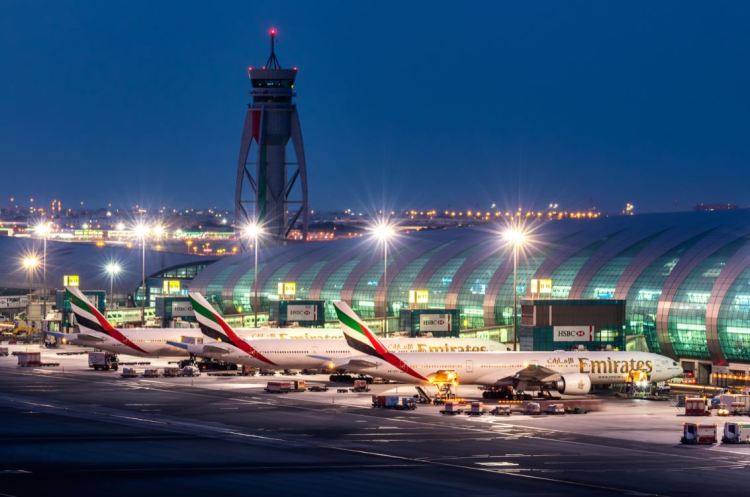
Dubai International Airport (WAM photo)

UAE immigration policies require those with expired visit visas to have them renewed if they want to extend their stay; on the other hand, those whose employment/resident visas have been cancelled have 30 days to either look for a new job or leave.

Pinoy nurse in UK recalls dark days of the pandemic; fears second wave

Filipinos comprise the backbone of the UK’s medical services field, being the third largest number of practitioners in the country’s National Health Service (NHS) at approximately 18,500 next to Britons and Indians, according to a recent report by London-based, The Guardian, citing the House of Commons library data from 2019.

British Prime Minister Boris Johnson who was also infected with the virus at the height of the pandemic. (Birmingham Mail photo)

The UK has over 312,600 coronavirus cases and 43,700 fatalities as of July 1, making it among European countries hardest hit by the pandemic with  Italy, France and Spain tailing by.

Among those 18,500 Filipino NHS workers doing their share in the battle against an invisible enemy is 47-year-old Marvin Moreno of San Pedro City, Laguna who hails from Camarines and has earned his license as Philippine Registered Nurse in 1995.

Marvin Moreno with peers. (Contributed photo)

“My family and the rest of the people in the community kept me going during those most difficult times,” Moreno said.

Moreno said working shifts of up to nine hours and faced with the risk of coronavirus infection from patients, comes with the demands of the job. “We are nurses and that is what we do,” he said.
There is also an unenviable sense of unadulterated commitment to it.

“On a more personal note,” Moreno said, “and I’m sure my fellow nurses would agree with me on this, I went out there because I believed that by rendering my services and doing my job, I would somehow get the sense of feeling that I was part of those fighting this pandemic to protect the family and our community for them to be able to live normal lives again, hopefully soon.”

Moreno is clinical nurse at Milton Keynes Urgent Care Service (MKUCS), where he saw action in the fight against COVID-19 as cases and fatalities started to peak a few months back.

“The situation in our hospital was fairly busy but it was under control,” he said.   

He said there initially were some issues regarding PPE supplies but that was addressed adequately.

At the time of this interview, Moreno said 99 COVID-19 patients have died at MKUH with close to 500 cases recorded in the Milton Keynes borough.

“During the pandemic, protocols were changed,” said Moreno. “The systems placed to deal with patients kept on changing and evolving to bring us up-to-date with national guidelines,” said Moreno.

He said MKUCS put up a hub outside the building and had it manned by a clinician and a health care assistant (HCA) for walk-in patients and referrals.

The MKUCS Hub, said Moreno, “served as gate keeper for all patients with symptoms or potential/suspected COVID 19.”

“The clinician and HCA did the initial observations and if the patient was needing treatment and safe to be seen inside the facility, he or she would be transferred there,” he said.

Patients manifesting symptoms of COVID-19 such as fever, headache, flu, cough, diarrhea were sent home to undergo self-care and quarantine following careful assessment in a more controlled facility at the MKUCS Hub, according to Moreno.

Second wave

These days, he said, they have been busy “as we are approaching the ‘going back to normal service.’”

“We are in the process of changing our protocols at the moment,” he said, adding that such is not entirely good news.

“This could be a dangerous time,” he said, noting the high possibility of a second wave.

“The second wave is more frightening than the first wave as the mindset of the people right now is that virus is over,” Moreno explained.

“It’s just that the people are so cautious during the first wave as media and the government urged and kept reminding them about how to prevent the disease. So, maybe that saves more lives” he said.

“But now, the people are so desperate to get their freedom back and the government gave them the go signal,” Moreno added.

He also raised concerns about the incoming cold season which breeds viruses.

“A few months na lang ay winter na naman. Season na naman ng colds and flu. Baka magblend ang COVID sa season na yun. Yun ang mahirap,” he said. “Sa lamig sila mas active at potent.”
 Nonetheless, Moreno said NHS “will be on guard..”

“We still are not taking it lightly.”

Seasoned

Moreno is a seasoned medical staff, calling hospital emergency rooms his second home. He has gone full circle, first as emergency nurse at the Calamba Medical Center for several years, then on to being Head of Emergency Room at Ospital ng Muntinlupa before flying to London on April 15, 2004 where he worked as an accident and emergency nurse for over a year at Whippscross University Hospital NHS Trust.

He moved to Milton Keynes University Hospital NHS Foundation Trust in the Milton Keynes borough and was senior accident and emergency nurse for about 10 years.

Coronavirus cases in the UK, Italy, France and Spain were at its peak from mid-March to April with daily death tolls reported in the thousands.

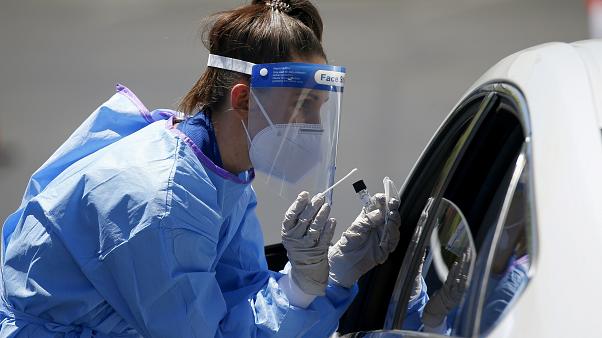
(Photo: Euronews)

Italy has 241,000 confirmed cases and over 34,700 deaths; France has 166,000 cases and 29,861 deaths while Spain has 249,000 cases and more than 28,300 deaths as of July 1, according to Worldometer, a reference website that provides real-time statistics relied upon by policymakers. The numbers have been winding down lately and borders have started to be opened up again.

There have been concerns about the “disproportionate” number of Filipino medical front liners who have died of COVID-19 during the height of the pandemic in the UK a few months back, with as many as 50 recorded by June, according to Howard Catton, chief executive of the International Council of Nurses in a published interview with Nursing Times.

Design a site like this with WordPress.com
Get started