Guidelines set for re-opening of UAE hotels

(WAM) — There finally is light at the end of the dark tunnel for overseas Filipino workers (OFWs) who have been on a no-work-no-pay scheme for the past months due to COVID measures: The National Emergency Crisis and Disaster Management Authority (NECDA) has launched an integrated health and safety advisory outlining all precautionary measures that must be pursued across all hotel establishments to ensure safety and wellbeing of guests.
The guide has been prepared in collaboration with other relevant authorities, and is in line with the partial lifting of movement restrictions, as well as to allow some essential economic activities to reopen, including the hospitality sector, according to a report from the Emirates News Agency (WAM).

The manual consists of 21 main articles addressing physical distancing measures, cleaning and sanitisation of guest rooms; health checks of hotel staff and guests; hygiene protocols; in addition to regulations on operations of restaurants, cafes, swimming pools, beaches, health clubs and other utilities of these establishments.

As per the advisories, all hotel staff shall be subjected to COVDI-19 testing before reopening, and will be re-examined every 15 days. Infrared temperature scanners will be provided along with thermal cameras, with the staff’s body temperatures checked multiple times per day. Any guest or staff member exhibiting symptoms of any respiratory disease will be denied access to the hotels.

According to the manual, it is incumbent on all hotel establishments to dedicate isolation rooms near their main entrances where any guests exhibiting virus symptoms to be isolated immediately. In pursuance of these measures, any guest may use his/her room only 24 hours after the departure of the last guest using the same room.

Restaurants, cafes, gym halls, and swimming pools will have a predetermined cap on capacity. All users of these facilities must have their temperatures checked before entry. Restaurants and cafes will operate from 6.00 a.m. till 9.00 pm, with a maximum of four people allowed per table. Tables must be distanced 2.5 m apart while all food contact equipment, surfaces and utensils to adhere to deep sanitization prior to food preparation for the public and after each use.
All swimming pools and beaches are to be sanitised regularly, and signage stressing physical distancing will be required.

Beaches must be divided into sections with maximum capacity to avoid overcrowding. Some utilities, including health resorts, kids’ areas and prayer rooms, will remain closed to maintain public safety.

The advisory will be circulated among all relevant departments to ensure abidance by measures. In addition, local departments in each emirate may develop individual additional guidelines as necessity arises in line with the advisory’s mandates.

)

Finally, inspection visits will be conducted regularly to ensure the hotels’ abidance by these guidelines and legal action will be taken against violators.

There are about 30,000 OFWs employed in the UAE’s hospitality sector.

COVID: Dubai Pinoy band’s drummer recalls close brush

DUBAI, United Arab Emirates: Could you sleep well at night knowing one of you in the flat has COVID-19? 

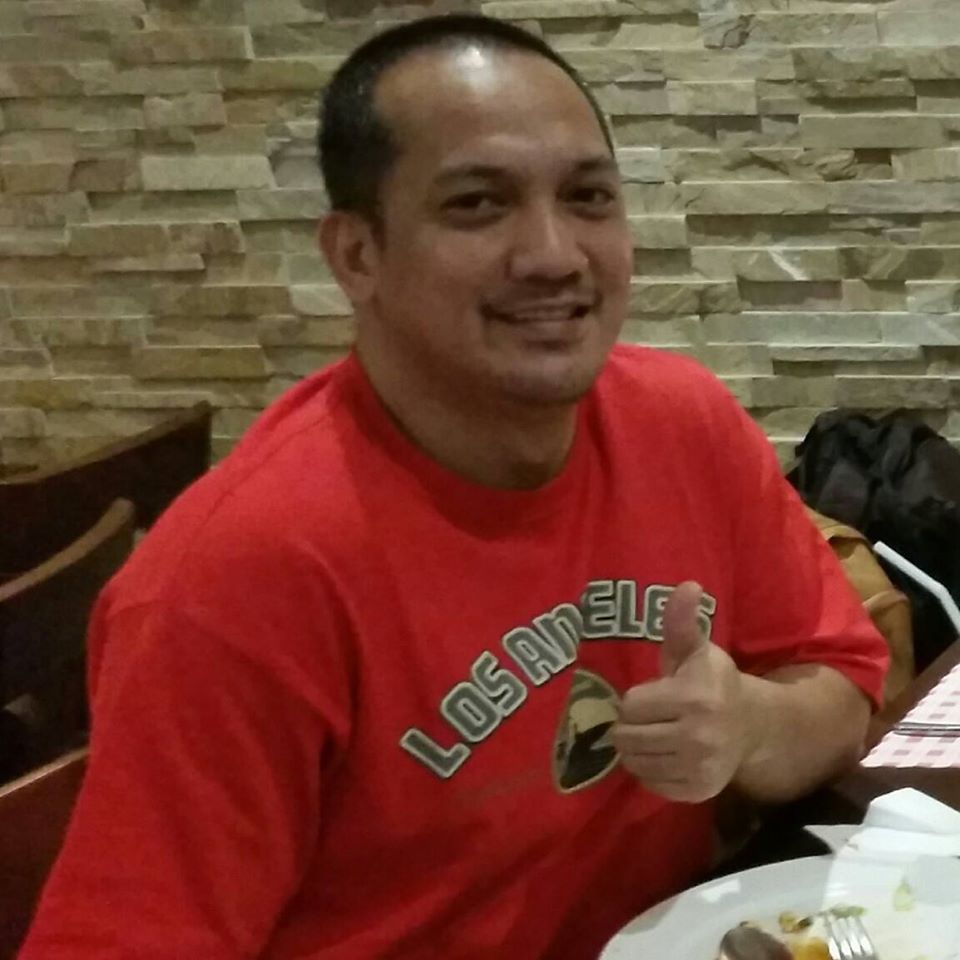
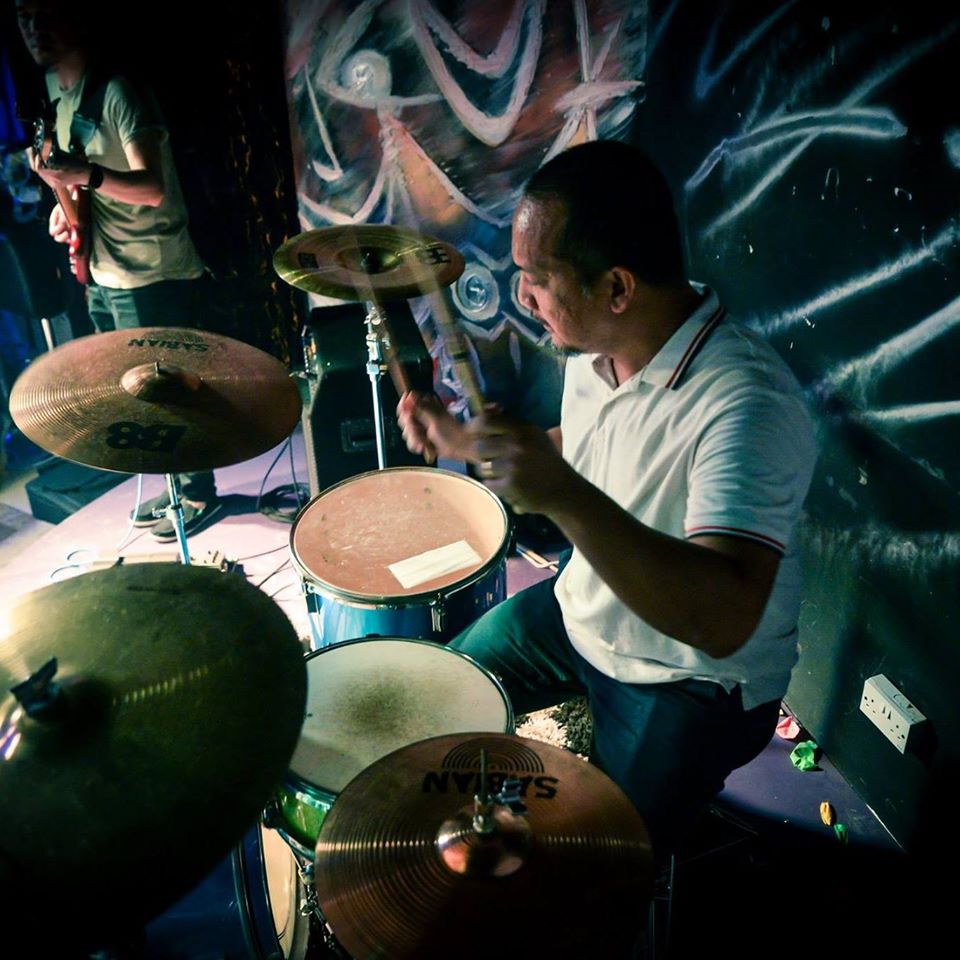
Dino Sindac Tumaliuan, drummer of the popular Dubai all-Pinoy band, Up the Ante, and the rest of his flat mates could not, for obvious reasons.

Dino Sindac Tumaliuan (Facebook grab with consent)

“Wala naman akong naramdaman, except siguro dahil nababasa ko ang mga symptoms sa social media, nagkakaroon ka ng paranoia na meron ka na rin siguro,” said Tumaliuan, whose day job is with the operations department of a finance company in the city.

The whole thing started, he said, when one of their flatmates tested positive for COVID-19 on May 10. “Siyam kami sa flat, six got infected kasi di na-isolate agad yung una,” he said.

Tumaliuan said they immediately contacted Dubai Health Authority (DHA) and sought advice as they were sharing a flat.

Dino Sindac Tumaliuan (Facebook grab with consent)

“Natakot kami na magkakahawaan,” said Tumaliuan, who hails from San Pablo, Isabela and Baler, Aurora.  

Noting how busy DHA has been handling all COVID cases across the city, Tumaliuan said they came up with a plan of their own on how to handle their situation.

“Talagang they (DHA staff) all sounded overworked kapag natawag ka, kaya kami-kami na lang ang gumawa ng paraan para ma-admit sa private hospital yung unang na-infect,” said Tumaliuan.

 He said DHA advised to home quarantine the COVID-positive flatmate if asymptomatic. “We objected so we decided to have everyone checked up and isolate ourselves in a hotel,” Tumaliuan said.

“Yung iba kinuha ng company nila kasi meron silang hotel na paglalagyan sa kanila na closely monitored ng medical professionals,” said Tumaliuan, who added that they also opened a Whatsapp group chat from which they all communicated for updates.

“We came up with a step-by-step plan kung paano kami uuwi, sino uuwi una sa mga negative at ano ang gagawin. We’ve set our own protocol sa bahay na anyone going back home should have tested negative muna.  Yung result ng tests, sine-share namin sa isa’t isa,” said Tumaliuan.

As of press time, Tumaliuan said there were two remaining flatmates waiting for their COVID-19 test results. 

“Seven of us got home after having our flat disinfected. Binakante po sya namin ng four days,” he said.

Huwag pasaway

Tumaliuan lives in the Muraqqabat area in Deira, north of Dubai.

Dino Sindac Tumaliuan (Facebook grab with consent)

He said people should remain vigilant against the virus. Dubai has finally started opening up to revitalize the economy, but this, he stressed, doesn’t mean the threat is gone; it actually requires people to be extra careful and strictly follow protocols like social distancing the wearing of face masks, he said.

 “I am sharing this po na sana wag maging kampante and lahat. Most of us po ay working at home. Kahit sino pwede kapitan ng virus. Always keep the positive attitude lang kapag nahawaan ka. Kasi ang worry ang magko cause ng stress kapag nag isolate ka. Which will make your immune systems deteriotate at mas magiging vulnerable ka,” Tumaliuan said.

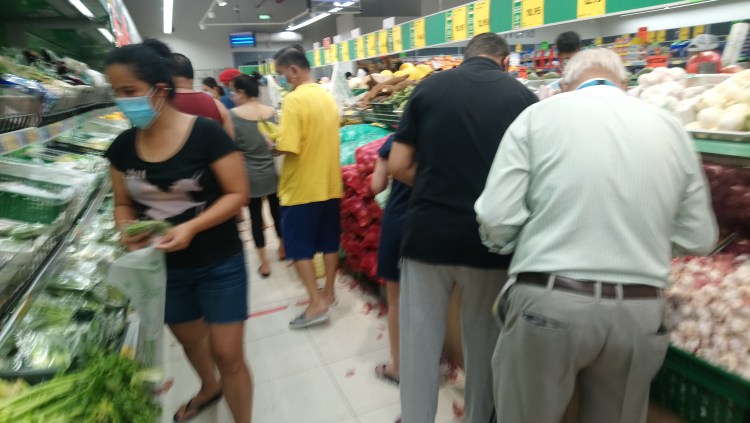
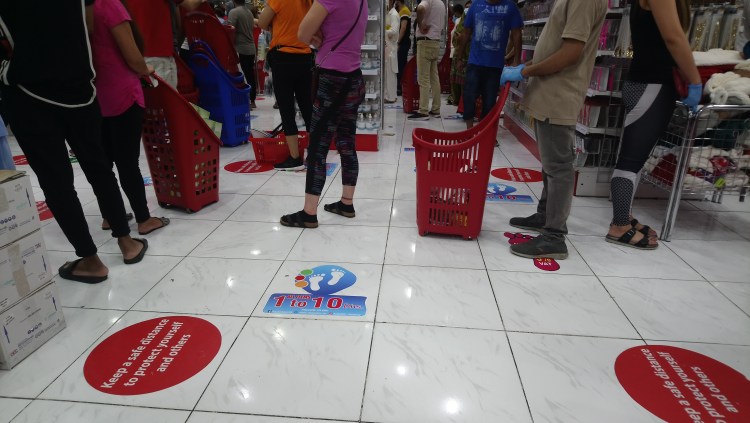
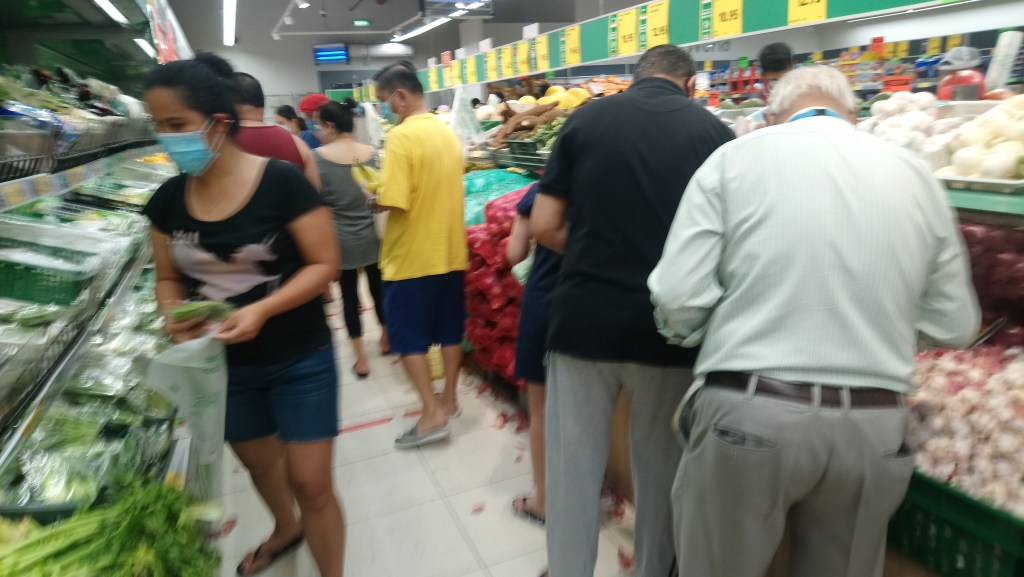
People at a grocery store, unmindful of social distancing. (Jojo Dass)

“Kailangan talagang malaman ng mga kababayan natin kung gaano kasersyoso ang sitwasyon. Dami pa kasi umiistambay sa labas na akala nila walang pandemic,” he added.

Forty-eight 48 Filipinos have died of COVID-19 in Dubai as of May. Tumaliuan said he knew  two of those who have passed away.

Up the Ante (Photo taken from Dino Sindac Tumaliuan’s Facebook with permission

Up the Ante came up with the theme song for this year’s “Kalayaan 2020” Philippine Independence Day festivities, entitled, “Iisa Tayo.”

As of June 2,  ghe UAE Ministry of Health and Prevention (MoHAP), there were  35,788 COVID-19 cases across the UAE. Of this number, 18,726 have recovered. There were 269 deaths, MoHAP said.

Filipina nurse inspired by talk with Abu Dhabi Crown Prince

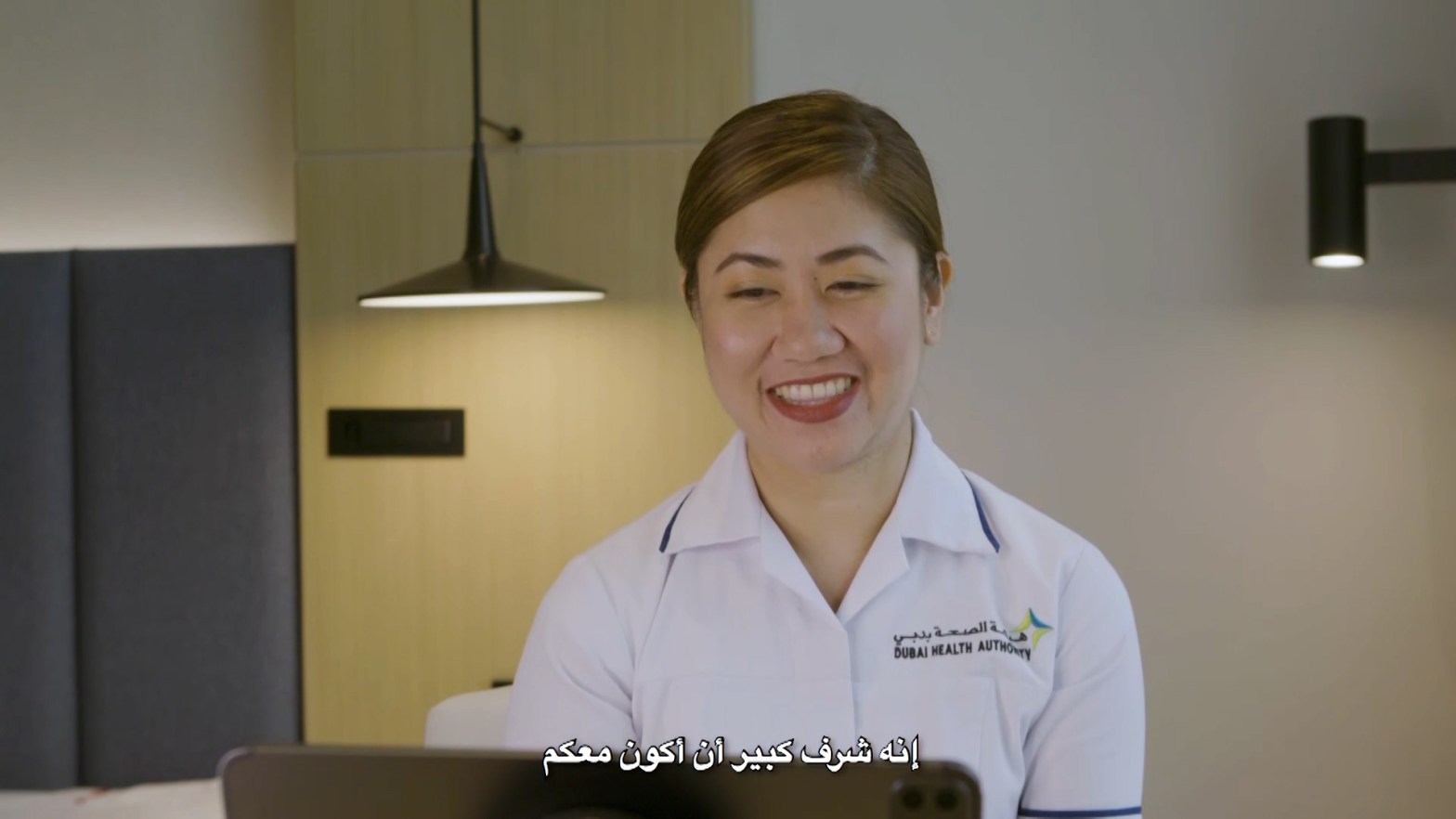
A nurse from the Philippines who recently had the coveted privilege to speak with the Abu Dhabi Crown Prince said the conversation “inspired” her and impressed upon her how the UAE’s policy of tolerance is effectively communicated from the top leadership to the grassroots.

The video conference, said Jessa Dawn Ubag, also made her feel that “it was a recognition of the Filipino community in the UAE along with all front liners.”

It was held with His Highness Sheikh Mohamed bin Zayed Al Nahyan, Crown Prince of Abu Dhabi and Deputy Supreme Commander of the UAE Armed Forces, in the third episode of the Sheikh’s virtual majlis. 

Majlis is Arab culture is a casual venue where community members gather to discuss local events and issues, exchange news, receive guests and socialize.

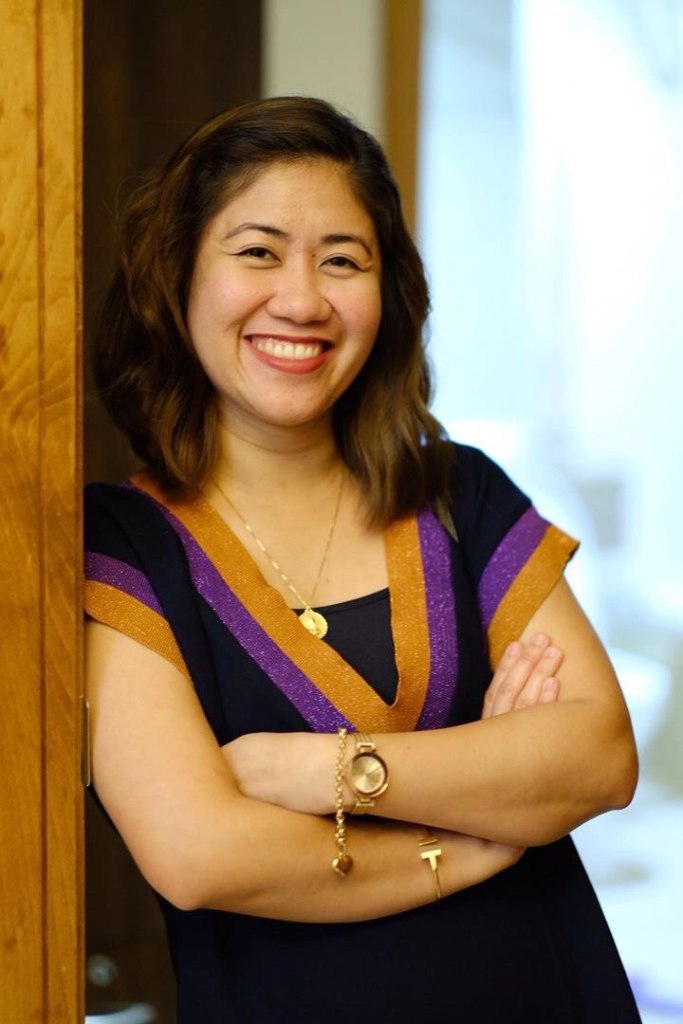
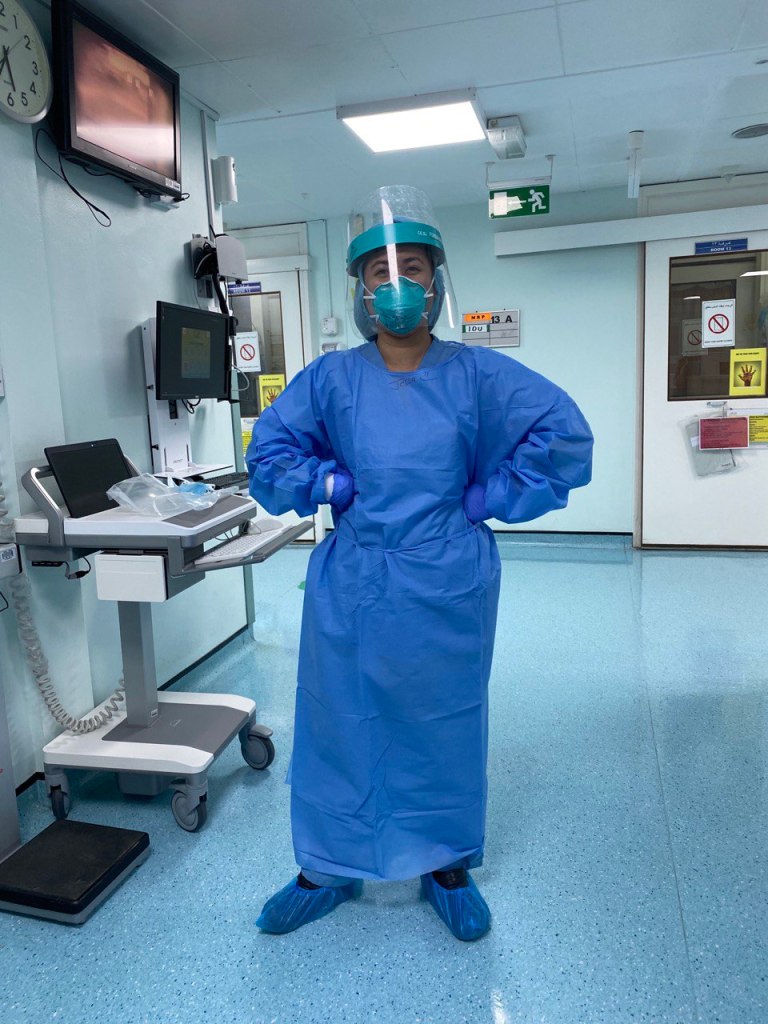
Jessa Dawn Ubag

“We believe that we are an instrument of hope to give spiritual, mental and emotional support to our patients in time of despair. That’s why when Abu Dhabi’s Crown Prince personally appreciated me, I felt he was recognizing all nurses for spreading hope,”  Ubag, 31, a staff nurse at the Infectious Disease Unit of Rashid Hospital in Dubai, told Emirates News Agency (ENA).
“This country treats its citizens and foreigners alike. The idea of tolerance and accepting people of all nationalities from across the globe have created a social environment that resonates well with our professional values of compassion, empathy and caring to others,” Ubag said.

After speaking to Sheikh Mohamed, she said she felt how such values have effectively been communicated from the top leadership to the grassroots of the government and society.

“I got this opportunity despite being a foreigner. I am a Filipina and I felt it was a recognition to the Filipino community in the UAE along with all front liners,” said Ubag who hails from Dumaguete City, Negros Oriental in the Philippines.

“His words,” she added, “have inspired me and my fellow nurses to spread more hope to patients and community at large.

“We nurses felt that we are somewhat heroes in our own small way. It has inspired me to be a better nurse and a better instrument of hope.”

She said she got the impression that she was “talking to someone who has known me for a long time” when speaking to Sheikh Mohamed. “Within seconds I realized his genuine personality and humility. He made me feel comfortable,” she said.

“I admire his sincerity and thoughtfulness to ask about my family and wellbeing here.

“It was a nice experience to hear from him and to know that all our efforts during this pandemic are highly appreciated.”

The job of a nurse assigned to the infectious disease unit is risky, Ubag said; and giving hope is a major part especially noting that patients in this wards are also battling loneliness in isolated rooms, she added.

“When patients are in critical condition and put on life-support systems, it is more stressful. We [colleagues] support each other and give a feeling to those patients: ‘You are not alone, we are with you,’” Ubag said.

“When critically-ill patients get well and go home with a smile, expressing their heartfelt thanks, we realize the importance of our human touch in our job.”

 Ubag has been working at Rashid Hospital for six years. She holds a degree in Bachelor of Science in Nursing. She moved to Dubai in 2014 after working back home for three years. Her older sister is also a nurse and is in the UK.

“I don’t have any big dreams. I would like to start my own family, that’s my dream,” said the single woman.

According to Filipino Nurses’ Association in the Emirates (FNAE), there are approximately over 20,000 Filipino nurses in the UAE working in the government and private sector, including homecare companies.

The group said the number of OFW nurses in the UAE represents approximately 60% of the overall total.

UAE is second home to people from over 200 countries around the world. Ubag’s video conference with the Crown Prince was held May 13, according to ENA.

May sees spike in number of Filipinos who died of COVID in Dubai

DUBAI, United Arab Emirates: The first half of May saw a spike in the number of deaths among Filipinos in Dubai due to the coronavirus pandemic – from 17 around the first week to 48 by May 21, during which the total deaths was at 233, according to Consul General Paul Raymund Cortes.

Consul General Paul Raymund Cortes.

There are around 400,000 overseas Filipino workers (OFWs) in Dubai, according to Philippine Labor Secretary Silvestre Bello III. With this in the backdrop, the 48 deaths may seem to be a minuscule fraction, but that which nonetheless pokes interest as to why that many.

Speaking to Daily Bread, a ranking police official said at least four factors explain the jump in the number of deaths.

“The information that I got about it is the close community that we have here in Dubai. Satwa and other areas like Muteena are very, very high (in terms of Filipino population). So, in those areas, people living there have chances to live (together) like sharing. That is why (coronavirus) is very, very fast spreading,” the official said.

Another factor is that in most cases, COVID-19 positive Filipinos are rushed to the hospital only when it was already “very late.”

“Some of the cases came to the hospital very late,” he said.

“One of the cases that I was linked with in the past few days, the patient said she was very, very, sick. She came very, very late and she’s old. She was around 46.

“She said she thought that it was just maybe a cold or a fever ‘and I tried to fix it myself.’ But she couldn’t, that’s why she came to the hospital,” the police official said.

He said this has been a concern by authorities. “This is another problem. They only come (to seek medical help) after they have reached the last stage. That’s very dangerous,” he said.

“This is our recommendation: If you feel anything, you don’t solve it by yourself. Just ask (for help). This is a big problem. There is a high (big) community here (in Dubai) of Filipinos,” he said.

There has been at least one reported death where the deceased was revealed to have been having symptoms for two weeks before he was rushed to the hospital.

Melchor Corpuz  Mandac

Melchor Corpuz  Mandac, known for his consistent community volunteerism, passed away due to COVID-19 on May 12.

Sherwin Achivara, one of Mandac’s four nephews in Dubai, said they had no idea their uncle was dying.

“Nakikita lang naming sa FB nya, sinasabi nya, ‘Pagod lang ito,’” Achivara said. “Hindi naming alam na COVID na pala.”

Meanwhile, age, coupled with the fear of losing their jobs, were also a factor, the police official said.

“There are those in the age range of 45 or above 50. These is the age group advised not to go outside. But they do not leave their job. Maybe that’s how it was transferred to them. They refuse not to go out because they are afraid that their salary will be cut,” he said.

Meantime, other quarters said essential service workers — front liners, which include nurses — risking exposure to coronavirus in the conduct of their jobs, also factor in.

There was the case of a couple in Deira who were out working even during the 24-hour curfew, they said, because they were performing essential tasks.

Jade Jacqueline Chan-Delos Trinos

Jade Jacqueline Chan-Delos Trinos, a regional sales manager at a company manufacturing diagnostic kits and supplies to labs and hospitals, and her husband, Den Bryan, who works at a company supplying hypermarts with food and other basic necessities, both tested positive for COVID. They survived the infection after having been under the care of the Dubai Health Authority (DHA).

According to the UAE Ministry of Health and Prevention (MoHAP), there were 32,532 COVID-19 cases across the country as of May 28. Total number of recoveries was 16,685 while total fatalities was 258.

No new Filipino deaths were recorded in the last week of May. The UAE is second home to people from about 200 countries across the world.

What should be done if someone in your home is COVID-positive?

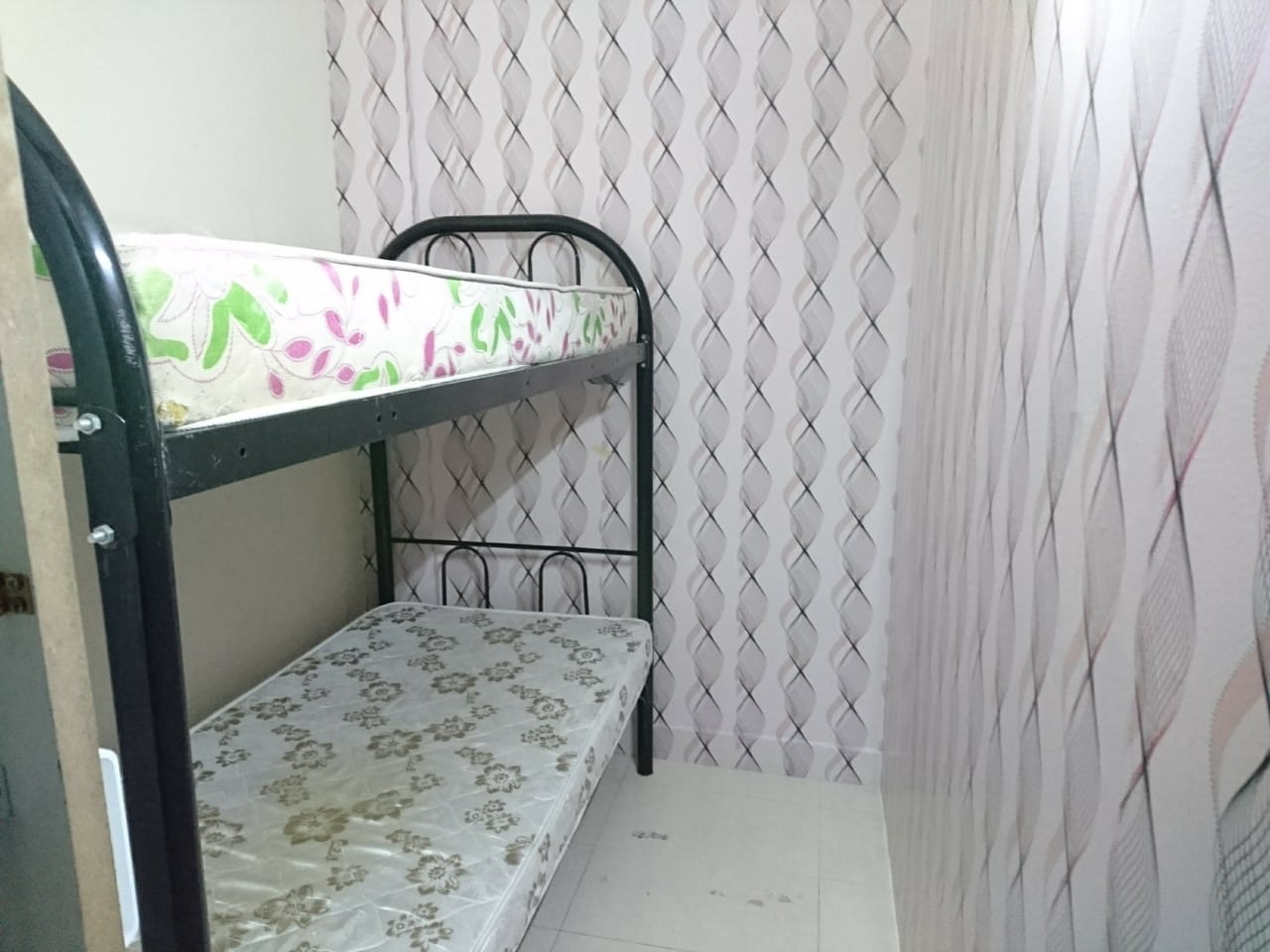
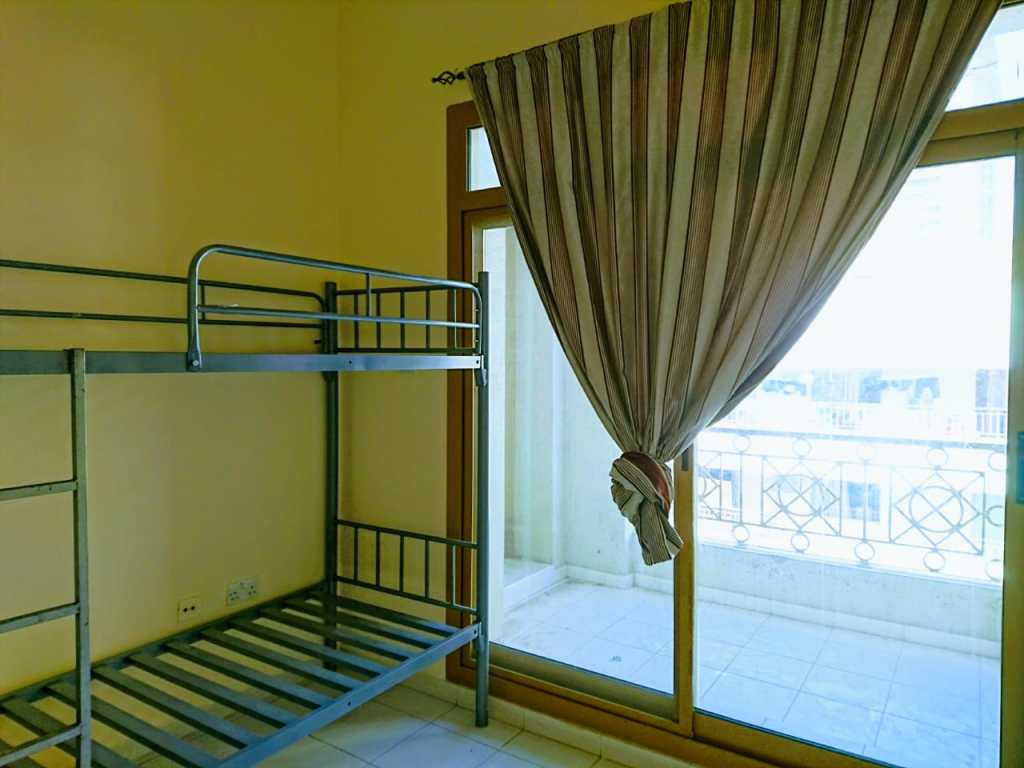
What should be done if someone living in shared accommodations showed symptoms or tested positive for COVID-19?

Dr. Alvin Torres, a Filipino physician practicing in the UAE, said it is vital that a “physical barrier” be put up.

Dr. Alvin Torres

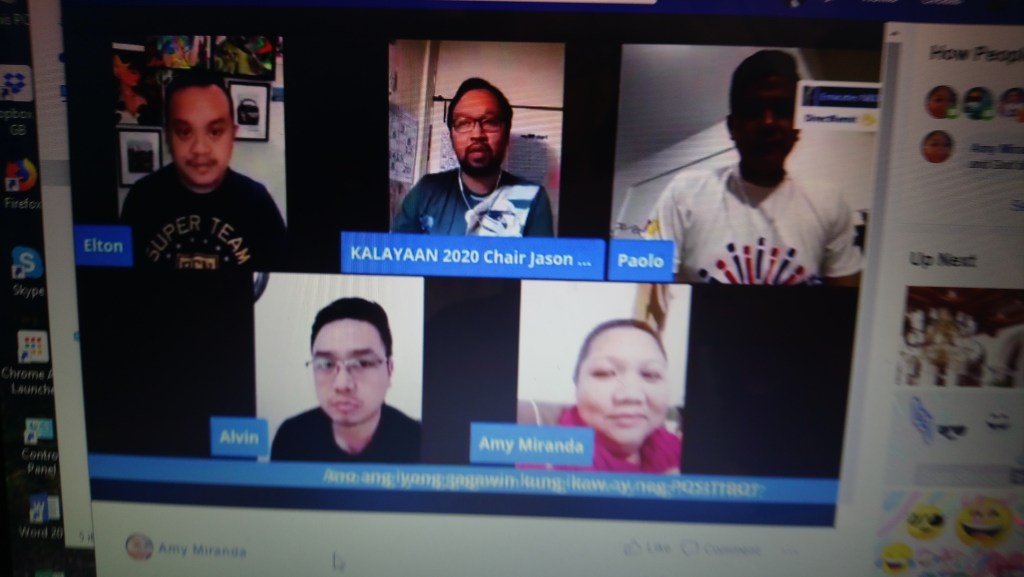
“Basic recommendation ng international guidelines sa home quarantine is to have a separate room,” Torres told a recent, live-streamed talk show hosted by Kalayaan 2020, an aggrupation of Filipino organizations in Dubai and the neighboring Northern Emirates.

He suggested that shower curtains be used in cases of bed bunks. “May ginagamit minsan sa mga double decks na mga curtains. Gamitin nila yung shower curtain kasi mas madaling linisin at i-disinfect kaysa sa cloth na curtain. Iyun ang niri-recommend naming sa infection control,” Torres said.

(Sometimes they use curtains to maintain privacy in double bunk beds. They should use shower curtains because it is easier to clean and disinfect compared to cloth curtains. That’s what we recommend for infection control.)

Torres further explained that the virus can easily lodge itself in cloths.

The doctor also stressed the importance of good room ventilation. “There have been studies showing that the virus doesn’t stay long in the air if the room is well-ventilated,” he said in Filipino.

Torres also said a distance of at least a meter apart should be maintained to lessen the chance of the virus spreading among the apartment unit’s occupants and that social distancing be strictly observed in common areas like the kitchen, which also need to be regularly disinfected.

People who had been in close contact with a COVID-19 positive person in the accommodations need to be tested as per guidelines set by World Health Organization (WHO), Torres said, to cut the chain of infection.

This include those left behind after a COVID positive occupant has been taken by DHA for treatment at a designated hospital.

‘Cohorting’

In cases where there were more than one person who have been showing symptoms, Torres recommended “cohorting.”

“Mag-stay sa isang room and all of them will have to be tested,” the doctor said.

Meantime, Torres asked for patience from those who have been calling the government’s hotlines at 800 1717 for Abu Dhabi; 800 342 for Dubai; and 800 11111 for Sharjah and the rest of the Northern Emirates.

“The call centers are just plain overworked. The UAE government is doing the best it can. It is actually doing an excellent job,” he said.

Torres noted that overall COVID-19 mortality rate in the UAE is less than 1%.

According to the UAE Ministry of Health and Prevention (MoHAP), there were 33,170 COVID cases across the country as of May 29. Of this figure, 17,097 have recovered and 260 have died.

“I was looking at the numbers. In fairness to UAE, napakagaling kasi. Almost 1% lang ang mortality rate compared sa international data,” he said.

Torres said Dubai has 3,000 beds available at the Dubai World Trade Center (DWTC) which has been converted as a hospital for COVID patients; and Sharjah has 1,200 beds.

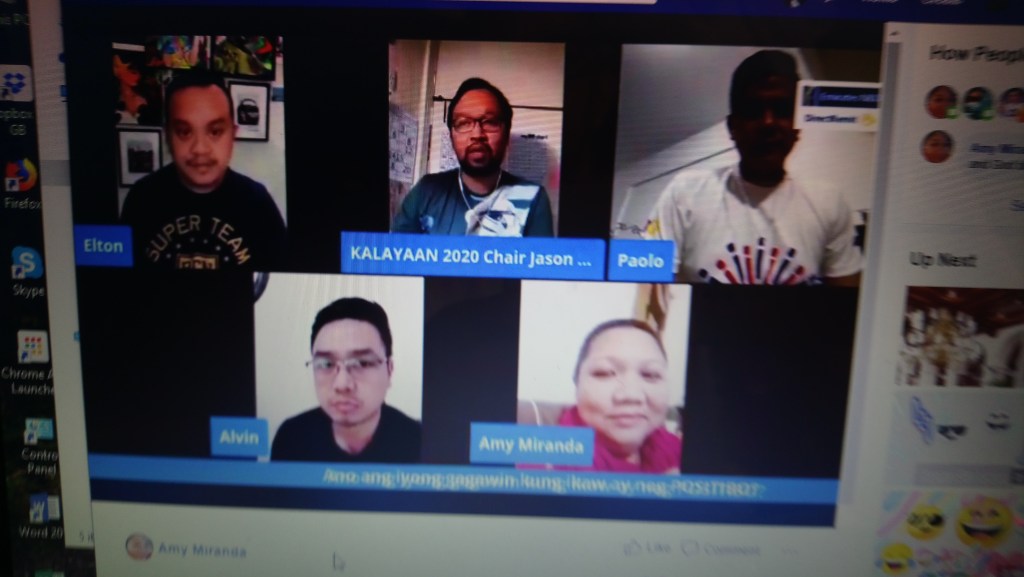
Also in the panel for the live-streamed Kalayaan 2020 talk show were Paolo Guevarra, president of the Philippine Nurses Association – Dubai and the Northern Emirates (PNA-DNE), who said he had tested positive for COVID-19 before; and Amy Miranda, PNA-DNA adviser, who provided safety tips.

DISTANCIA AMIGO. Covid survivor learns lessons on social distancing

I was confident I will get enough protection by hand wash and masks but realized missing social distancing, a mistake that almost cost us our lives’

It’s hair-raising when it dawns on you that a single mistake you did, like having been too close for comfort with someone in a crowded place, have caused you to be in a hospital bed teetering between ending up a body count or a “recoveries” statistics in this days of COVID-19.

Jade Jacqueline Chan-Delos Trinos (Contributed photo)

Jade Jacqueline Chan-Delos Trinos, regional sales manager at a company manufacturing diagnostic kits and supplies for labs and hospitals, went through that ordeal, having probably spent sleepless nights hanging in the balance.

Delos-Trinos did not have an inkling she’d be ending up in a hospital undergoing treatment for COVID-19 infection.

“It was beyond my imagination to be a victim of COVID-19 even at immense caution,” said Delos Trinos, who lives in Muraqqabat with her husband, Den Bryan who had also tested positive.

Delos Trinos said she was at ease thinking she has been following health protocols and thought that was enough.

“I was confident I will get enough protection by hand wash and masks but realized having missed social distancing, (which was) a mistake that almost cost us our lives,” she said.

“I am not here to scare but to shed awareness that whatever the authorities have told us to do, is for our own sake. Lessen trips to populated places such as groceries, and avoid non-essential food trips. A single craving is incomparable to sufferings or loss of life,” Delos Trinos said.

“Let us be responsible not only for ourself but for others who are immuno-compromised. Sharing accommodation is a common scenario, chat with housemates at ample distance and wear mask, follow the “happy birthday” hand wash, take hot water with boiled lemon and ginger which helped us get through the respiratory difficulties,” she added.

Delos Trinos also suggested to try avoiding public transport and instead go by foot if going to nearby places to prevent confined spaces with possible infected droplets you might touch.

For credible technical information, check out WHO (World Health Organization) to avoid fake info that will heighten your worry. Strictly follow protocols and respect them. They are implemented with scientific reasons, she said.

“To all my Kabayans out there, treat the pandemic as a serious matter,” Delos Trinos said.

Impossible

In their home or out at work, Delos Trinos said “it is impossible to distinguish carriers since some are asymptomatic.”

“Not everyone goes through the illness similarly, some are mild but others has to be intubated and brought to ICU,” she added.

The couple lives in a shared accommodation though they have a room to themselves. Just the same, Delos Trinos said, “we were partaking the use of common washroom, kitchen and even doorknobs with others in a sharing flat.”

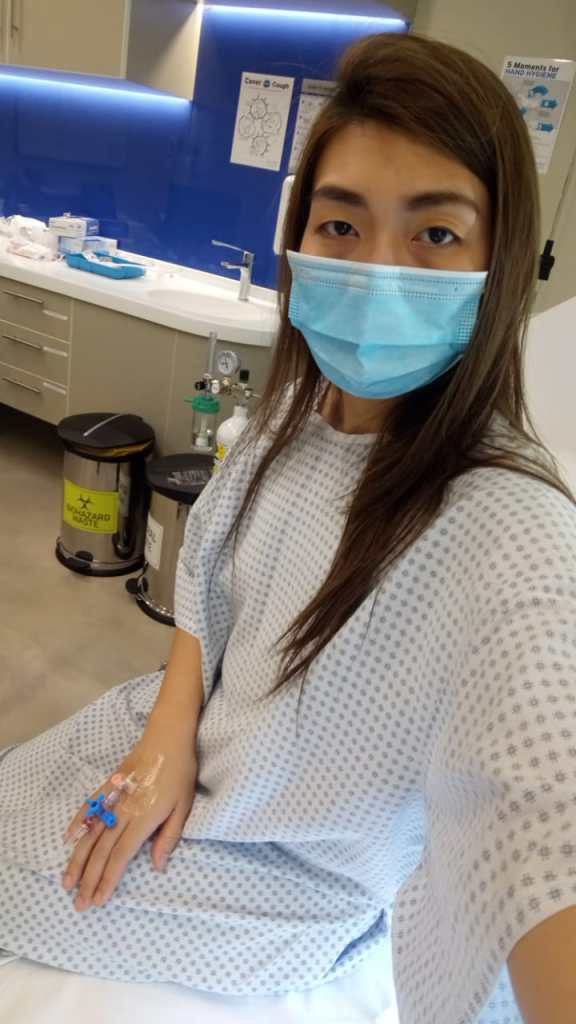
Delos Trinos during isolation

“Contracting the virus in such scenario is highly likely but considering the prices of rents in Dubai, the reality of having an own space is not affordable and never easy. We cannot blame people for sharing accommodation with risk due to this matter,” Delos Trinos said.

She said they have a flat mate who tested COVID-positive.

Delos Trinos herself tested positive on April 24,2020. “I immediately went to a private hospital from work after I was informed that our housemate came out positive and was already admitted,” she recalled.

She and her husband, who works at a Fast Moving Consumer Goods (FMCG) company supplying hypermarts, were picked up from their home  on April 30, a week after they made phone calls at DHA’s 800342 hotline.

Following treatment, Delos Trinos was out of the hospital in 10 days on May 10; her husband was discharged on May 16.

Delos Trinos stayed in a hotel for a week’s quarantine or isolation as per DHA’s offer, noting the shared accommodation the couple was staying at.

‘It was a nerve-wracking, rollercoaster ride.’ COVID patient shares hair-raising story

He went through seven COVID tests, swinging back and forth between positive and negative

DUBAI: Thirty-two-year-old Bryan Tayag Pagtalunan was enjoying his day-off, having finally able to prepare a decent meal for himself after working at night for consecutive shifts.

Then his phone rang.

“It was from a lady telling me she’s with Dubai Health Authority (DHA),” recalls Pagtalunan, who works at one of the shops at Dubai International Airport’s concourse.

Pagtalunan had his COVID test done four days ago on April 27 – a routine requirement from the company management – and he had been feeling a bit queasy due to a pesky phlegm by his throat.

“My world stopped. It took some seconds to reply. I was kind of expecting it because of the phlegm I had been having for the last few days,” he said.

The lady then went on with a barrage of questions: “Where am I now? Where do I work?  When was the last time I reported for work? Where do I live? Am I living alone or in a shared partition?  I calmly answered her questions because at that moment I have already accepted I am COVID positive,” said Pagtalunan, apparently judging from the numerous queries about himself by the “DHA lady.”

Upon being informed that he was COVID-positive, Pagtalunan immediately informed his line manager and prepared to isolate himself.

He was staying in a partitioned room at a shared three-bedroom flat in Rigga, where the living area has been converted into three smaller spaces. The entire flat is shared by him with three families, at one family per room.

Pagtalunan requested that DHA transfer him to a facility over concerns he might infect his flatmates, who, by the way, took no offense at all for his having acquired the coronavirus and were, quite rightfully on the contrary, very supportive. He was, after all, asymptomatic.

“Every member in the house was isolated and thankfully they understood my situation. I didn’t feel discriminated against and actually received a lot of support and comfort. Most of them were nurses so they knew my case,” he said.

Soon, Pagtalunan was billeted in a swanky five-star hotel Business Bay hotel, where he would be treated like a prince for the duration of his stay.

Bryan Tayag Pagtalunan in his isolation room. (Contributed photo)

“The place was awesome. The nurses took my vital signs and explained that since I am asymptomatic, they would quarantine me there and that they will do some swab testing every now and then.

“Food was provided three times a day. Kudos to the Dubai government for taking good care of COVID patients,” Pagtalunan said.

He didn’t have the slightest idea that it would be the beginning of a nerve-wracking rollercoaster ride for him.

Pagtalunan tested negative on May 4 and he was ecstatic. He was told he needed at least two negative results for them to let him go. Being asymptomatic, no medication was necessary; just the usual vitamin C, ginger and lemon tea, and steaming.

The May 8 test, which came out positive, doused cold water on Pagtalunan: “My heart broke. I was devastated,” he said.

That would not be all. Pagtalunan was swabbed again on May 12 and, after three days, was told he was still COVID-positive. His heart sank.

“That was the moment when I started questioning them and myself. I was doing everything to get this COVID thing away, but I was still getting positive results,” he said.

“I even asked them to transfer me to a different room thinking that maybe the virus was living inside my room.”

His father, who was in the Philippines passed away, while Pagtalunan was in quarantine – and that further fueled his agonies.

“My father had just wanted me to be free of this virus. He would always ask me for updates and how I was doing. I felt helpless. All I could do was comfort my mom and siblings and cry. But I needed to be strong because I am the eldest,” Pagtalunan said.

On May 18, another test result, the fourth since he went on quarantine came out, and it was “negative.” Pagtalunan’s dad could have called the heavens to work miracles for his son.

“I was in tears,” said Pagtalunan. “My heart was filled with gratitude and at the same time sadness because of what happened to my father.”

Fifth test was done on May 19 and it came out “positive.” Pagtalunan was losing hope, resigning himself to fate.

Another test was done on the 23rd and it came out “negative,” which made doctors to decide Pagtalunan was free to go.

He explained: “According sa doctor, discharged na ako kasi may new protocol sa DHA ngayon na once na nag-positive ka, you just need to isolate for 14 days. So, since ako ay nag-“negative” na ulit and more than three weeks na ako duon, I could go home.

“But of course I still need to be extra careful pa rin, continue yung ginagawa ko, like taking vitamin C. I recently added Zinc. I also need to isolate myself sa bahay for seven days just to make sure.”

Going back to his shared accommodation, realizations dawned on Pagtalunan.

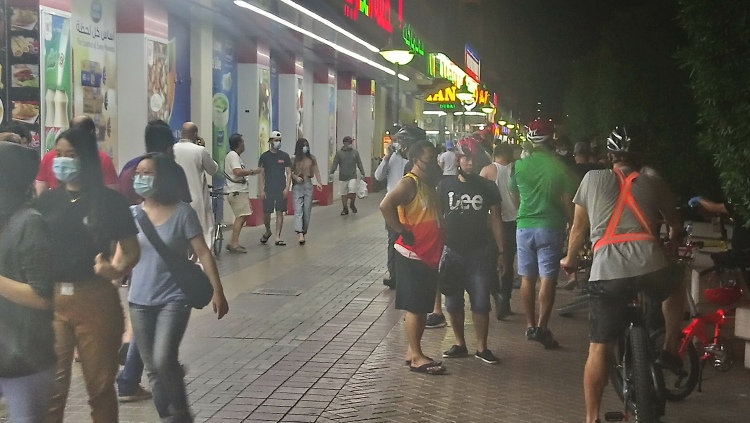
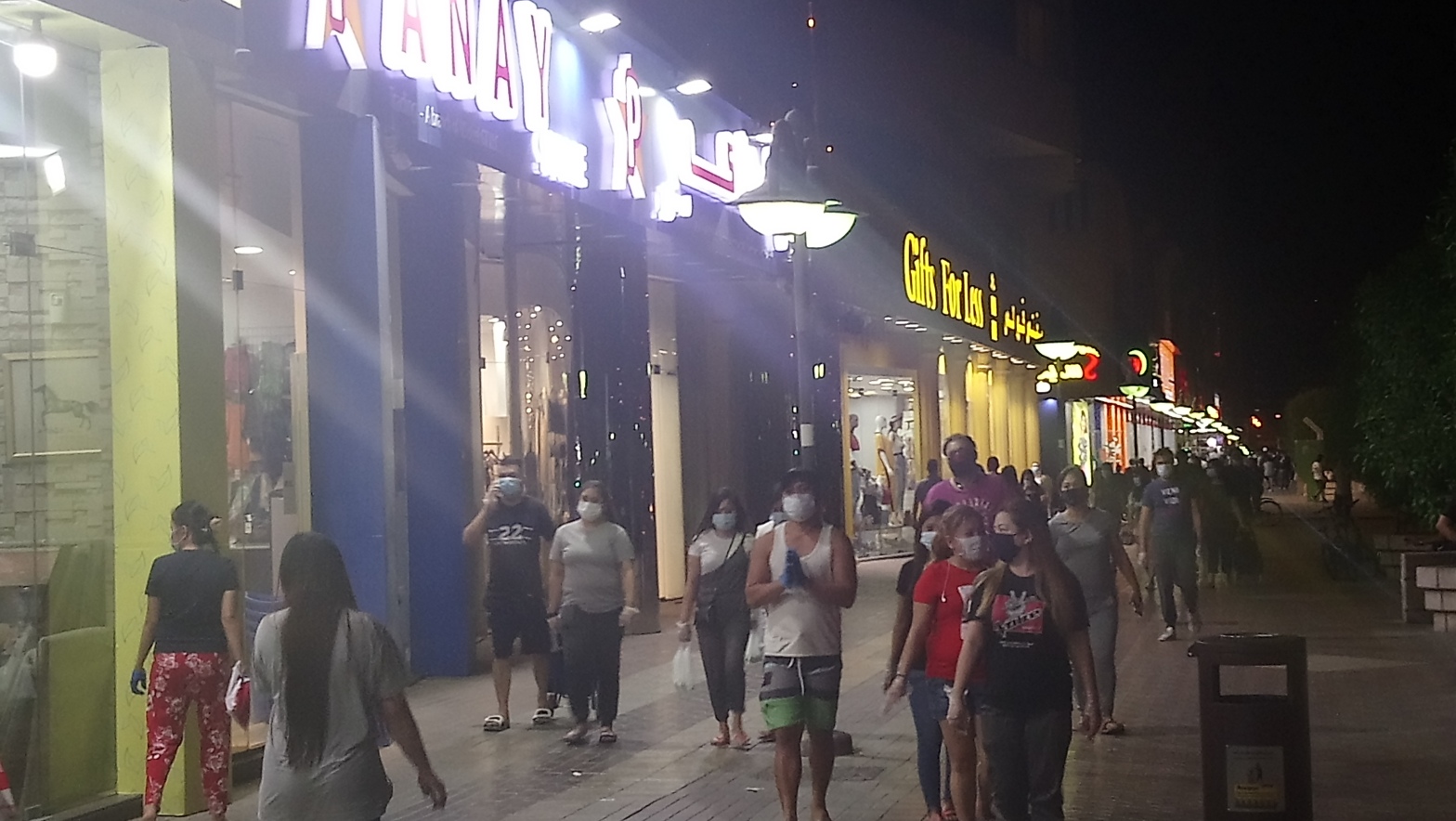
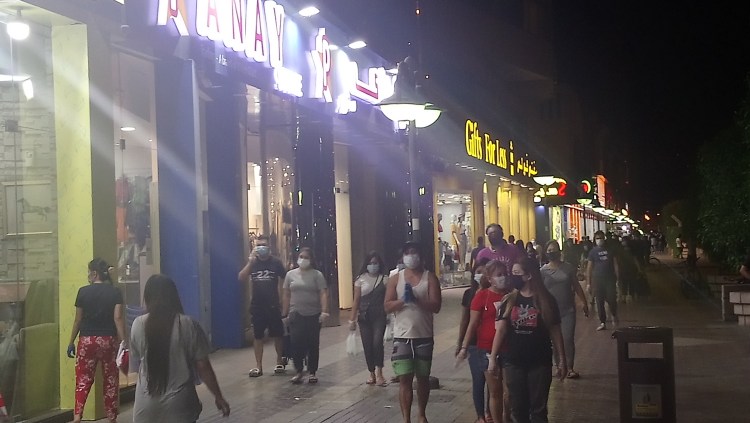
Pinoys take evening strolls along Muraqqabat’s hypermart row in Deira. (Jojo Dass)

Covid is real,” he said. “I have felt experienced it. People need not be complacent. They need to be watchful in all the things that they do and follow directives from the government because they know better.”

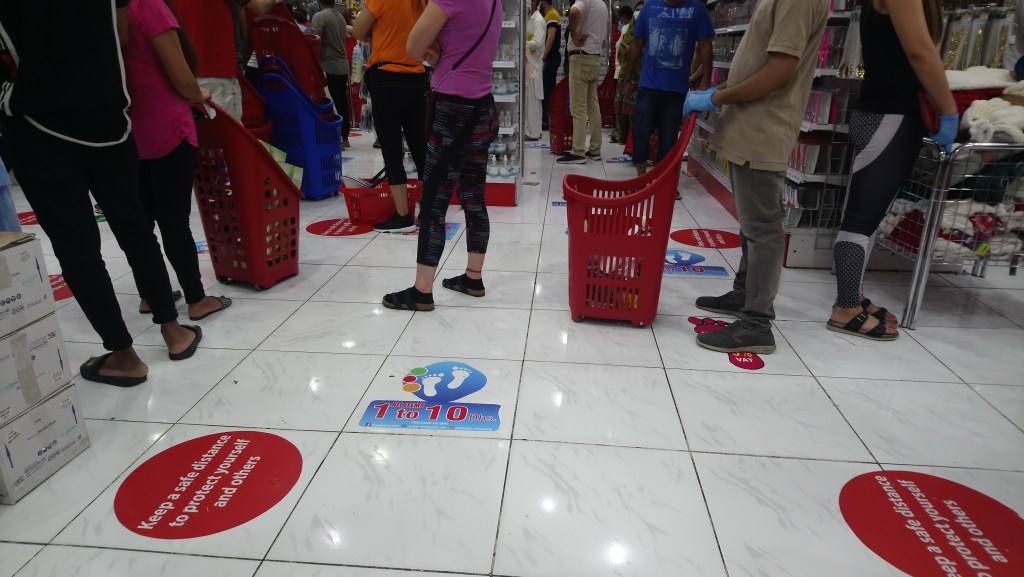
Shoppers dangerously unmindful of social distancing. (Jojo Dass)

And for those infected with the virus, he says: “Do not lose hope. Remember that no matter how dark and long the night, the sun will always rise!”

COVID: Dubai residents barter to donate food, masks

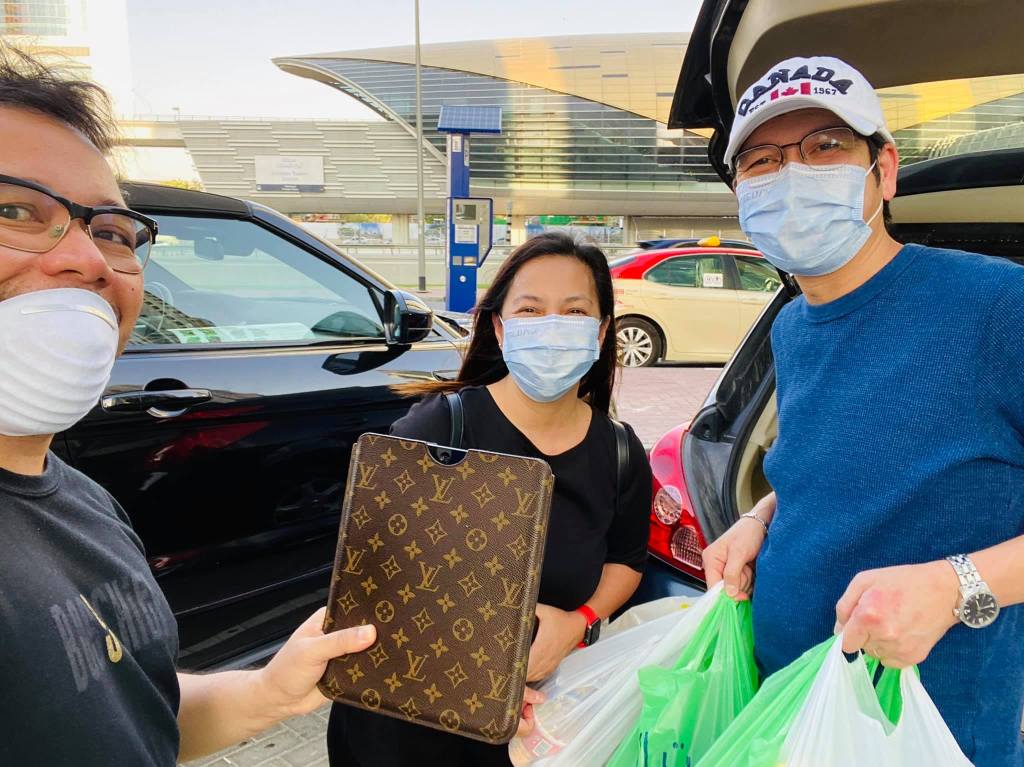
DUBAI, United Arab Emirates: A Louis Vuitton monogram iPad cover for two small grocery bags of Filipino food.  Sounds insane?

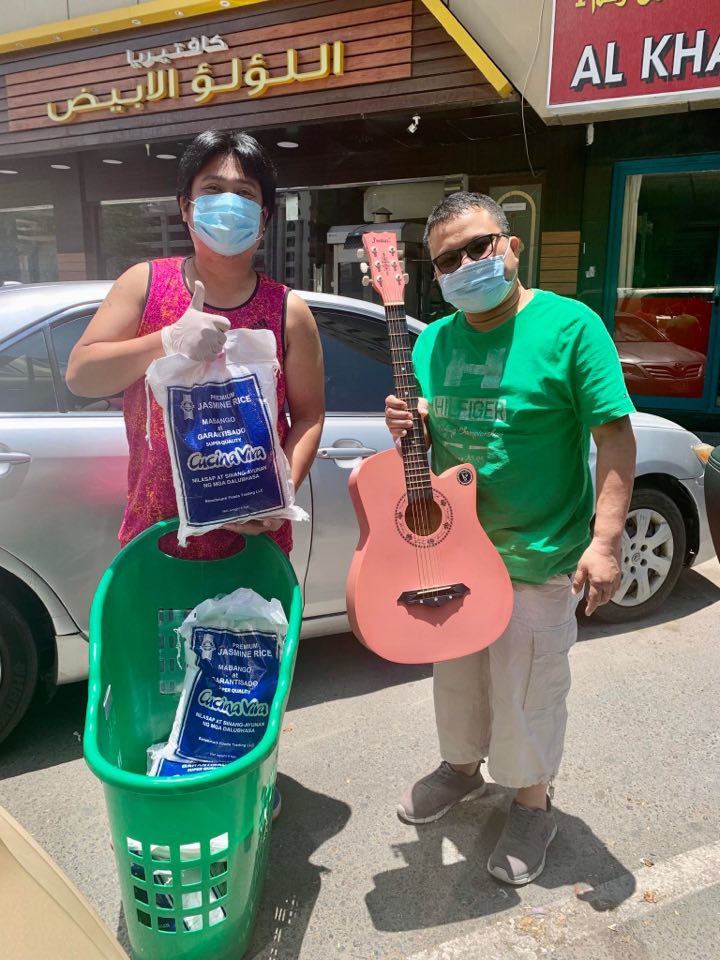
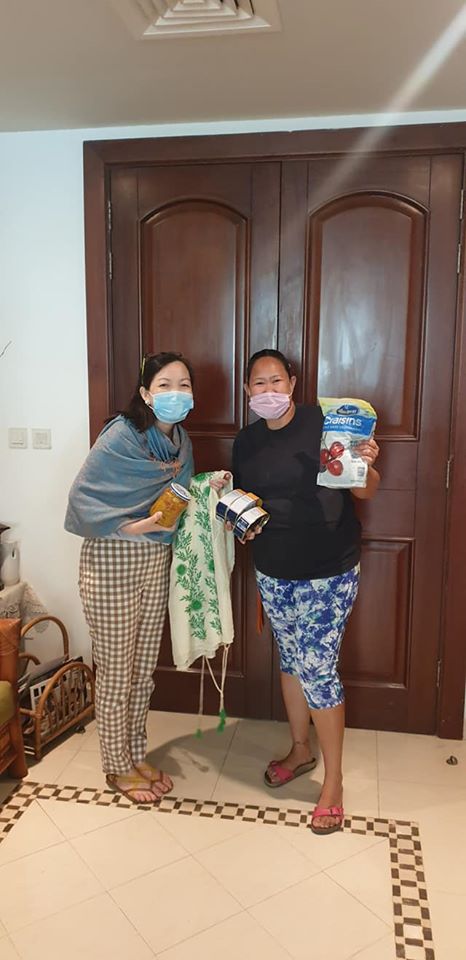
It gets quirkier – a pink guitar in perfect condition for five bags of 5kg rice; a pair of Birkenstock sandals for cold cuts and coffee that came with an extra bag of rice; and a quaint Juicy Couture summer dress for groceries.

Juicy Couture summer dress for groceries (ABCD Facebook page)

The list goes on. Other items were for surgical masks and hand sanitizers. There was also a hairbrush straightener up for a 500ml bottle of isopropyl alcohol.

Overseas Filipino workers (OFWs) in this expatriate city have become more creative in giving back to their less fortunate fellows, trading personal effects and other belongings for consumables to be given to those who have lost their jobs or are in a no-work-no-pay situation as a result of the coronavirus pandemic.

While there were those who barter to donate, others do so for personal reasons.

Challenging times

“We believe many people now find bartering as a good option in acquiring necessities without the need to spend their precious cash during this challenging times,” said Lou Olvido Parroco, herself an OFW who, with husband, Cesar, opened a Facebook page named Amicable Barter Community in Dubai (ABCD).

“Knowing how easy it is in Dubai to buy and accumulate things that are beyond people’s needs due to the minimal tax and frequent sale promotions, we are sure that residents here have many items that are not being used and are just taking space in their homes.  They might as well post these items up for barter in ABCD for things that they now need,” she added.

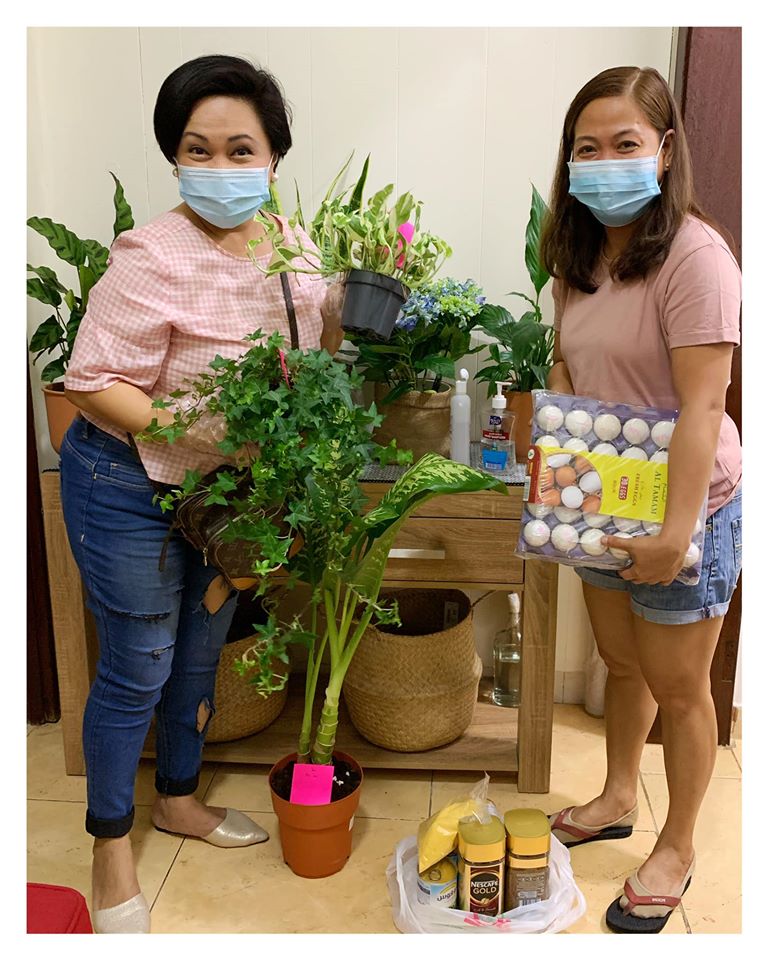
A tray of eggs for a house plant. (ABCD Facebook page)

ABCD kicked off just a few days back on May 22 to serve as a platform for people wanting to give away anything for something worthwhile.  As of press time, the public group has over 2,000 members and counting.

Among those who have posted their personal effects “for the common good” was Dr. Rex Vernard Bacarra, Dean of General Education at The American College of Dubai.

LV monogram iPad cover in exchange of 2 small baskets/grocery bags for Filipino food. (ABCD Facebook page)

“LV monogram iPad cover in exchange for 2 small baskets/grocery bags of Filipino food. Said grocery bags are for distribution to some Filipinos in need. Nakapag-donate na kayo, may LV pa,” he said in his post.

Interviewed, Bacarra said people will always have something with them that they don’t need but is actually a gem to others.

Moeover, he said that by bartering to donate, “we don’t further strip the dignity of our kabayans who are in need.”

“Kaya yung LV, it sits in my drawer. Expensive? Yes. Attached? Yes. But I did it anyway to do something worthwhile,” Bacarra said.

Pink guitar

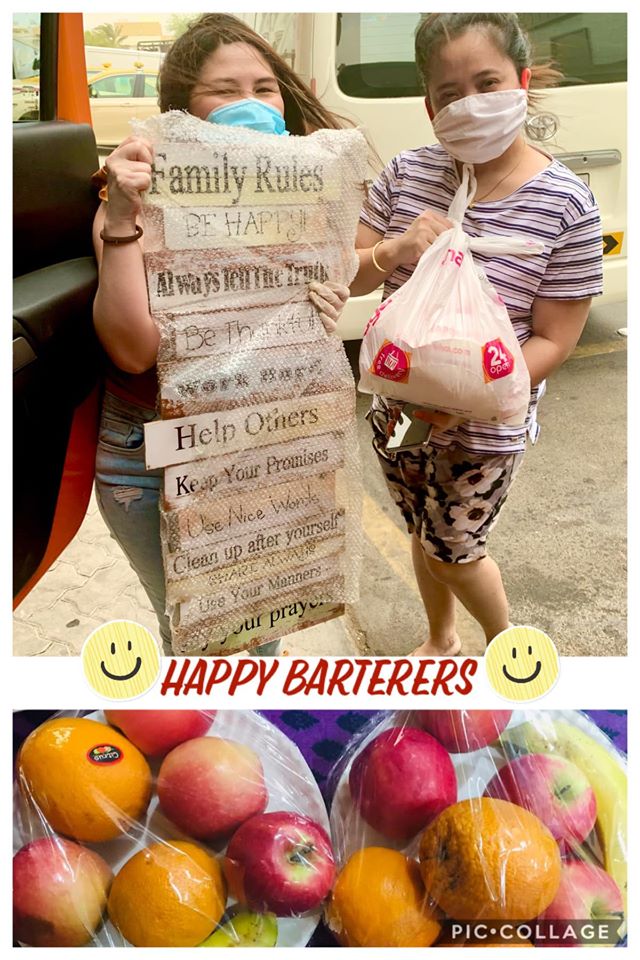
And so, some of the deals you’d see on the ABCD page include a pink guitar traded for five bags of 5kg rice to be distributed to those who lost their jobs; indoor plants bartered for 2 kilos of glutinous rice; another indoor plant traded for a box of laundry detergent; a wall décor that was bartered for a basket of fruits; a bottle of pickled papaya traded for a canned good and a baby car seat given for free.

Home decor for fruits. (ABCD Facebook page)
This rack was a fast getaway for some cans of Spam. (ABCD Facebook page)
ABCD Facebook page

The mechanics are simple.  Anyone may post an item up for barter with pictures of the item and a clear description.  The barterer may specify reasonable items he/she prefers to receive in return, or may ask for other members to just post what they are willing to trade for for the item.  All bartering discussions must be done transparently on the thread of the post until a done deal is achieved and we strongly discourage transactions on private messages.

Launching ABCD page on Facebook was more of a sequel to her Facebook Live bartering program back in April where Parroco offered to trade some of her personal favorite branded items like three Louis Vuitton bags, a limited edition Burberry bag and Van Cleef & Arpels accessories, among others. 

“I traded about 20 of my personal items for sacks of rice which were sent to needy families back home who were severely affected by the sudden lockdown.  That FB live bartering program has drawn support from friends and even from friends of friends in other countries and we’ve managed to send a good amount of rice that has helped more than 700 families in the Philippines,” she said. 

“We then reflected upon putting up an on-line bartering community, hence ABCD was formed.” Parroco added.

Lou and Rocky Parroco (Contributed photo)

The couple, who have their birthdays in May, regularly launch a project as part of the celebrations. This year, it’s the ABCD.

DOLE allocates more AKAP funding for Dubai OFWs

DUBAI, United Arab Emirates: Labor Secretary Silvestre Bello III said the Philippine government has set aside COVID relief funding to cover 10,000 more overseas Filipino workers (OFWs) displaced in Dubai and the neighboring Northern Emirates due to the coronavirus pandemic.

This, as only 5,000 of the 56,000 OFWs in Dubai, who have so far applied for the Department of Labor and Employment’s (DOLE) “Abot Kamay ang Pagtulong” (AKAP) one-time $200 COVID-19 financial aid program has received their money, according to Labor Secretary Silvestre Bello III

The $200 is equivalent to around Dh745, the local currency in the UAE and can go a long way on terms of food groceries or help in rent payment especially for those on visit visas or no-work-no-pay schemes resulting from temporary closures.

“For the record, ang nag-apply (ng DOLE-AKAP) dyan sa Dubai… unbelievable 56,000; but we approved 6,000 and we paid already 5,000 (applicants),” Bello told  Arch. Jason Roi Bucton, chairperson of Kalayaan 2020 during a Zoom meeting on Saturday, May 23, with various OFW leaders around the world.

Arch. Jason Roi Bucton, Kalayaan 2020 chairperson

Kalayaan 2020 is an aggrupation of various OFW organizations across Dubai and the Northern Emirates.   

“Now,” Bello added, “Meron kaming additional allocation para sa Dubai of 10,000.”

In light of this, Bello asked Labor Attaché Felicitas Bay to expedite the processing of documents for a speedy disbursement of the relief aid.

“Kaya bilis bilis nyo dyan. Sabihin kay Labatt (Labor Attaché) Fely bilisan ang pagprocess dun sa application para magamit yung 10,000 allocation for Dubai,” he said.

Bello meantime said DOLE has also already give away 1,200 food packs for OFWs in Dubai.

According to the labor secretary, there are 400,000 documented OFWs in Dubai.

The Zoom meeting was also attended by Philippine Overseas Employment Administration (POEA) head, Atty. Bernard Olalia and Overseas Workers Welfare Administration (OWWA) chief, Hans Cacdac.

Relief volunteer bemoans ‘Hakot-Ayuda’

COVID-19 has highlighted the Filipino people’s age-old tradition of Bayanihan, where the community comes together to aid those in need. Sadly though, there have been instances where this spirit of volunteerism is being abused.

From those doing the rounds of food drives with no regard to fellows who have yet to receive theirs, to those who have the temerity to complain about what they have received.

Laliebeth Petancio sorting donations.

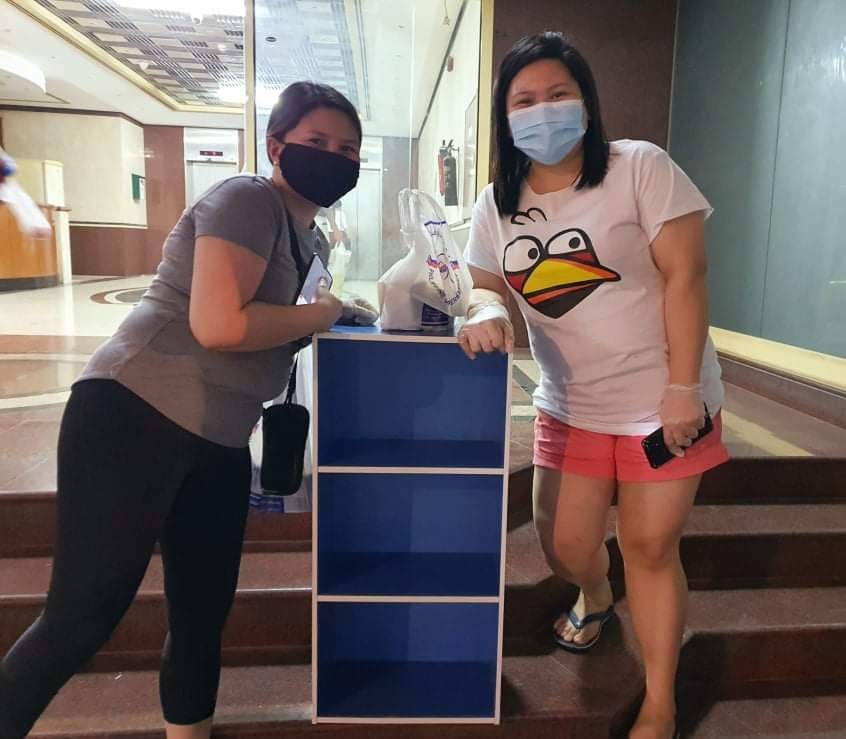
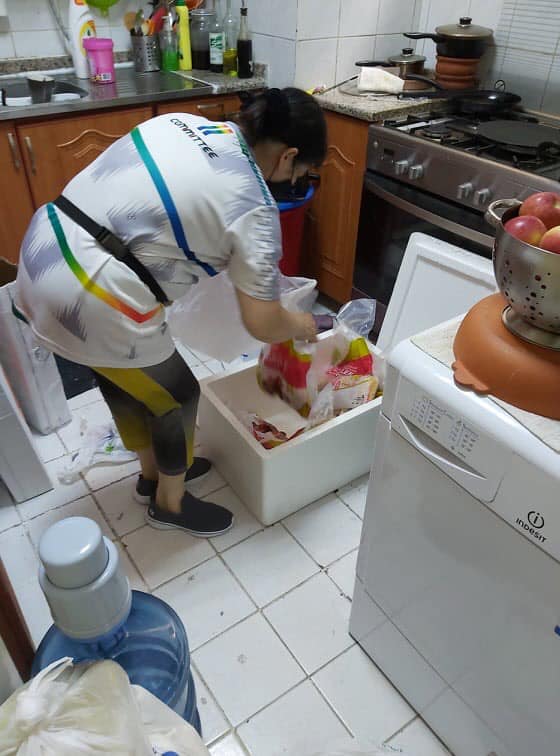
Laliebeth Petancio, a community volunteer in Abu Dhabi, who has been spearheading a “Tawid-COVID” food drive in the capital city, said there have been those engaged in what she called, “hakot-ayuda.”

“Hihingi ng relief goods sa iba’t-ibang groups at individuals sa isang araw. Lahat sabay-sabay tatanggapin nila at proud pang mag-post ng saku-sakong bigas na na-ipon nila from different sources,” bemoaned Petancio.

She said other qualified recipients have not been able to receive their relief package because of this deplorable practice by unscrupulous individuals.

“We wanted to avoid this kaya meron kaming collaborations ng master-listing namin every week by posting pre-listed beneficiaries on the group page. We decline any name-entry na nakatanggap na or existing na in another list.

“We then decide sinong group ang magbibigay,” Petancio told GMA News.

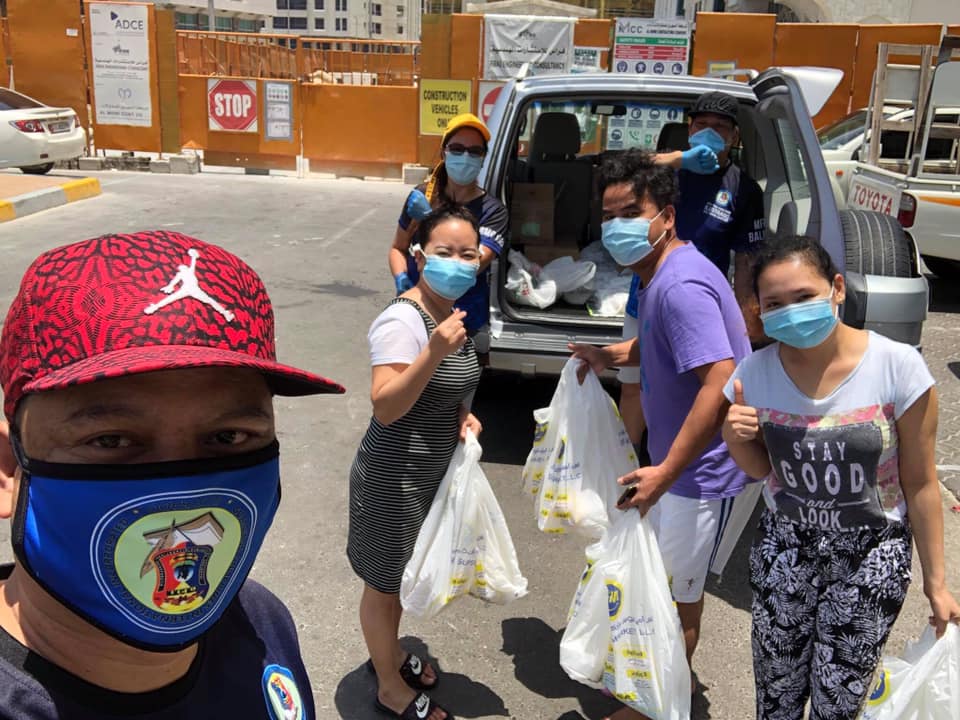
Tawid-COVID volunteers in action.

But while there are hoarders, she said there are also those in the list who ask them to give their ration to those more in need. “Kapuri-puri naman sila. Sana all,” Petancio said.

But not all, she lamented, citing instances where they receive complaints from recipients not satisfied with what have been provided for them. One such incidents was from a person who asked for lunch ration and complained that the food was not good at all.

“At 7:08 am, tumawag dahil nagtatanong kung sana mabigyan sya ng lunch kasi wala na daw sya makain. I gave her the contact number of a restaurant giving free meal.  At 4:07pm on same day, eto ang message nya:

“‘Kabayan, ang (food) nyo walang sahog po, hindi malunok. Hindi naman kami ganito kahirap para paka-inin ng walang sahog. Please lagyan naman sana ng konting sahog.’”

Petancio said their food drive comes from donations.

“Mga sariling bulsa po galing ang mga pinamimigay namin— kadalasan nagiging role ko ay mag-grocery, mag-packing at distribute na din, she said.

Petancio said the Tawid COVID group has distributed over 3,000 food packs.

.

.

Design a site like this with WordPress.com
Get started