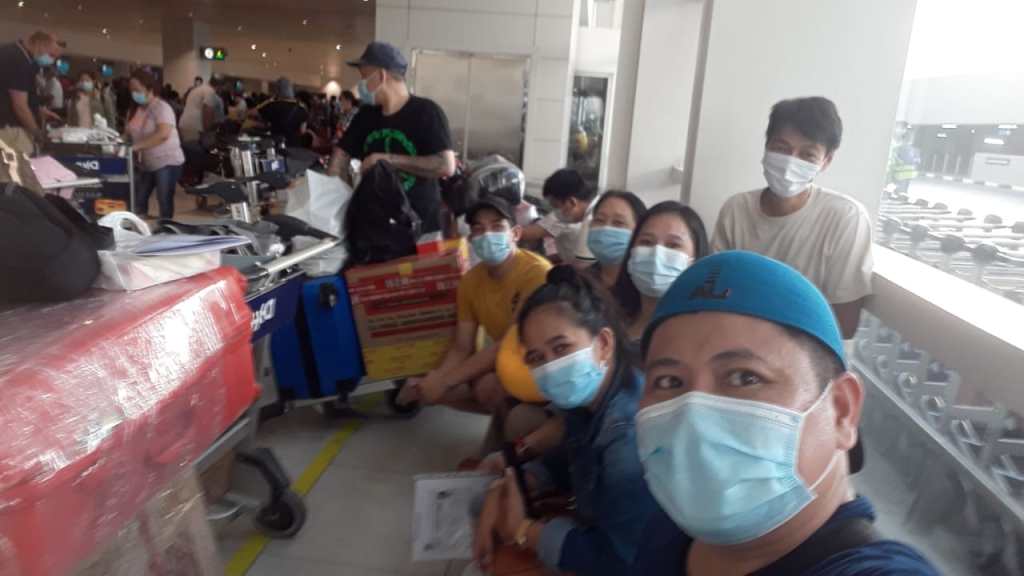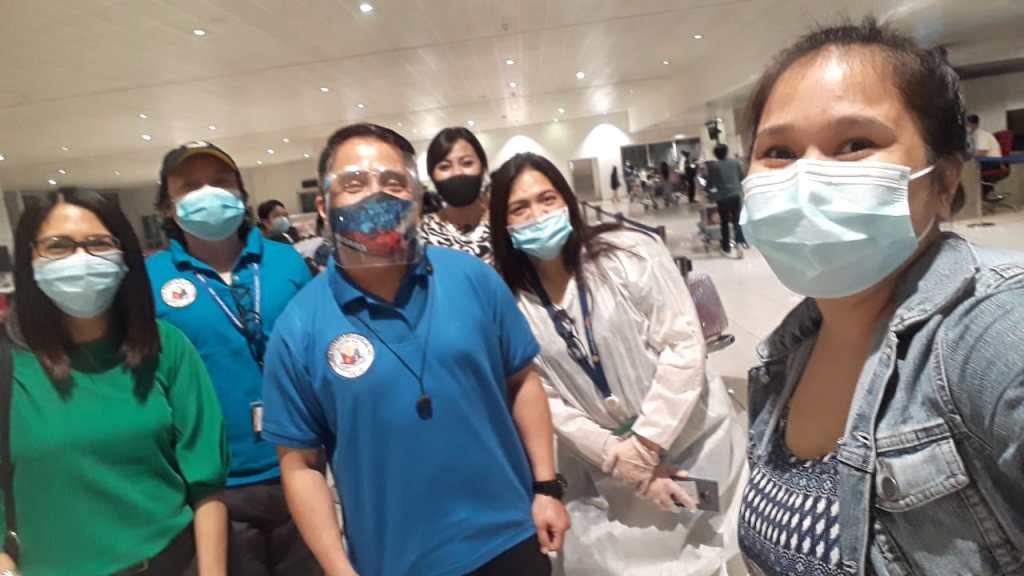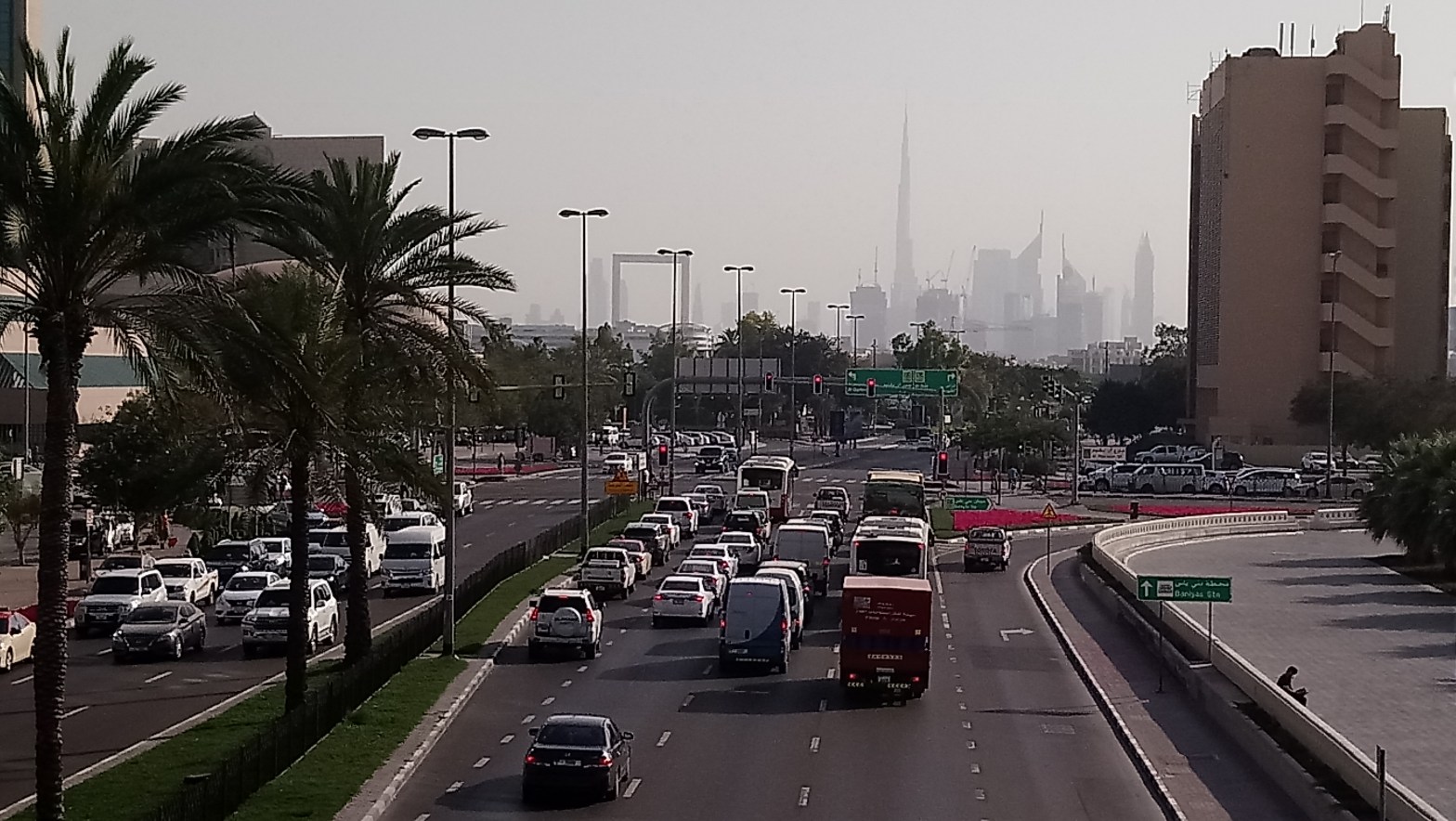
Pinoys sending kin to UAE now need to show proof of AED10,000 monthly salary

DUBAI: Filipinos in the United Arab Emirates sending their relatives to the country are now required to show proof they are making at least AED10,000 a month to ensure that they can afford their kin’s stay, especially in these times of the coronavirus pandemic, where residents have either lost jobs, are on no-work-no-pay arrangements or experiencing salary cuts.
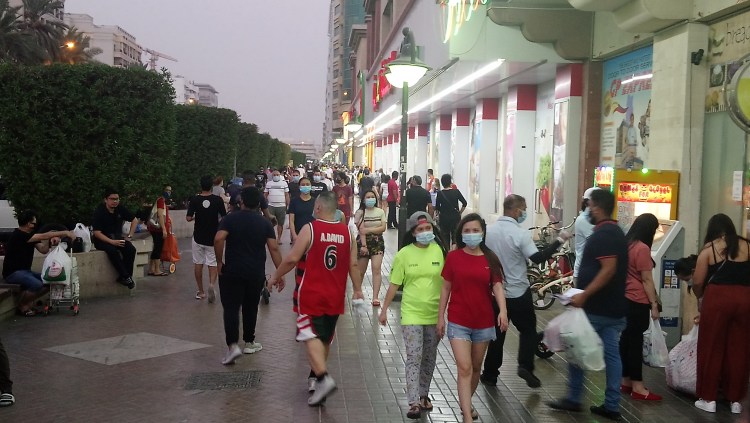
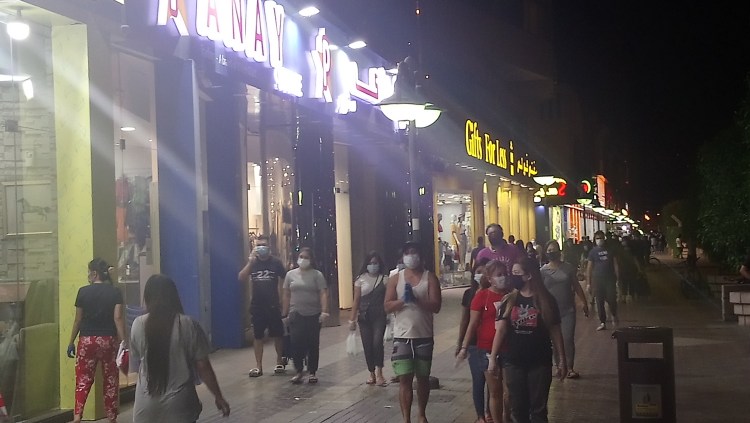
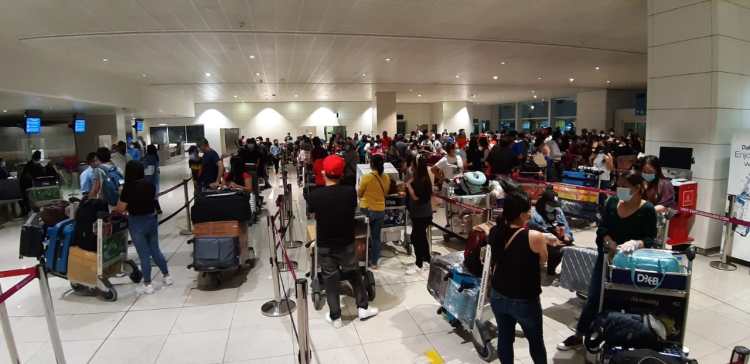
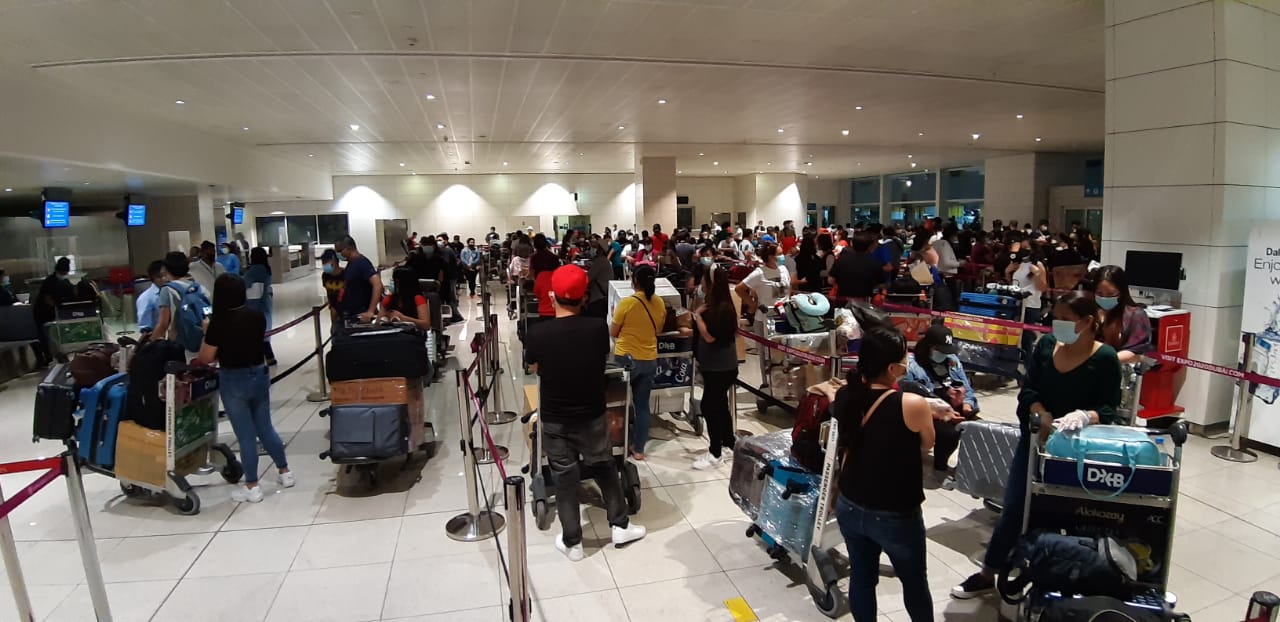
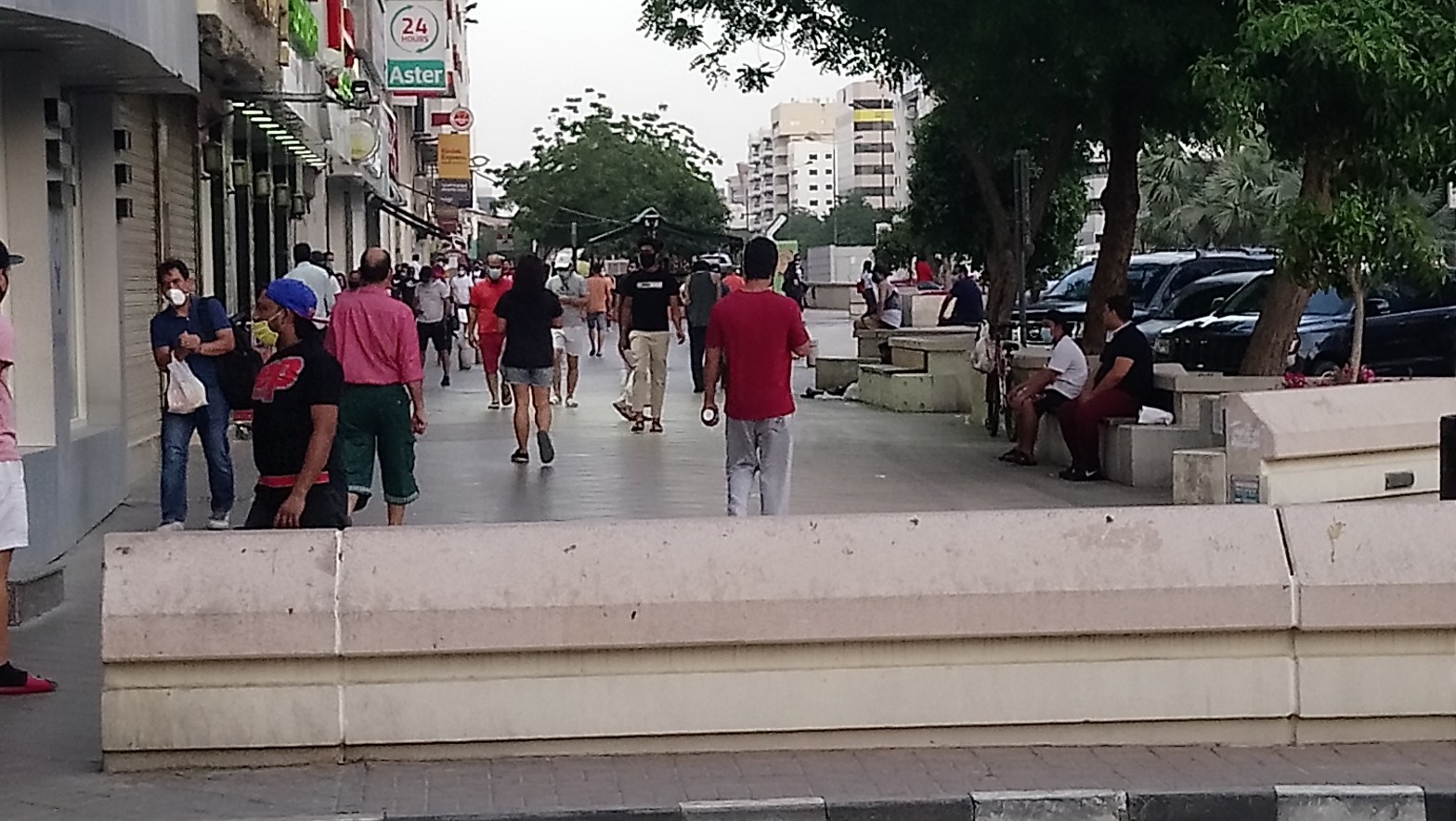
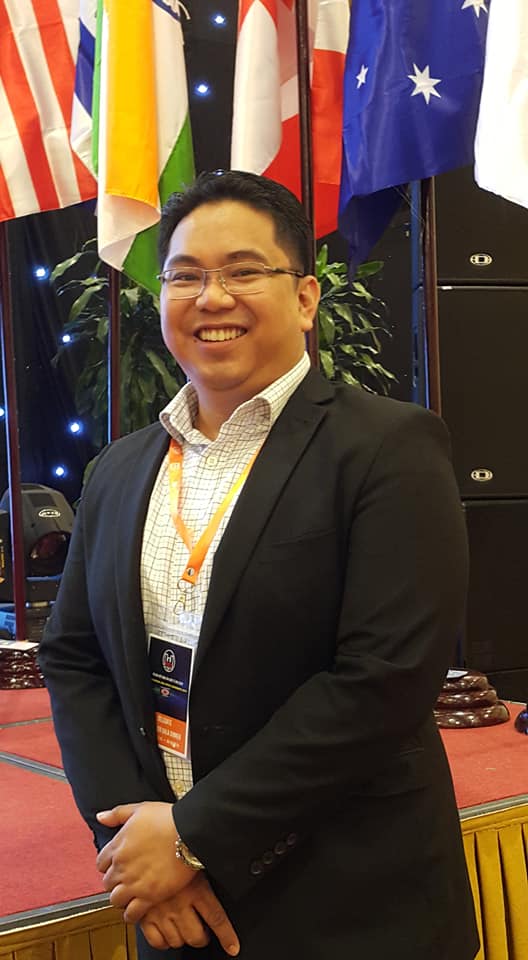
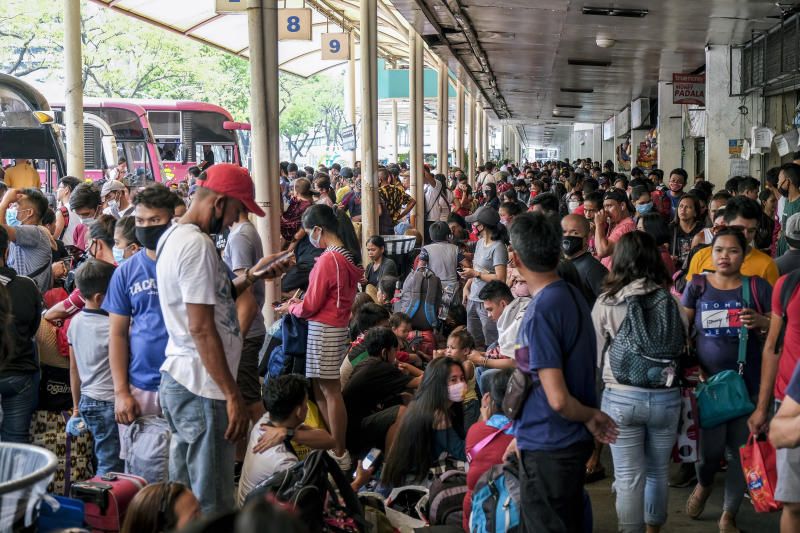
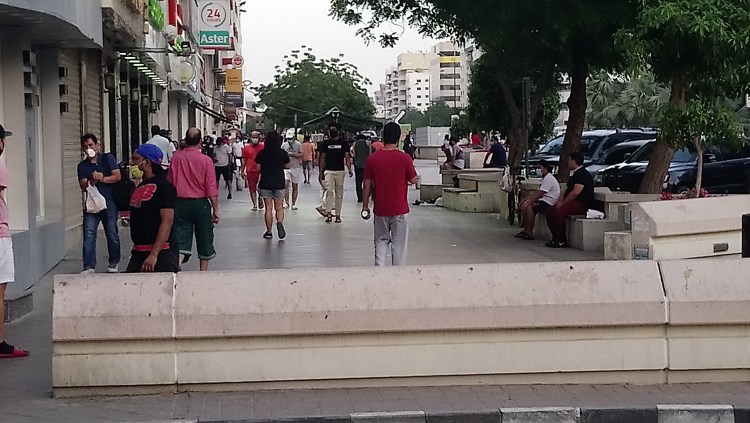
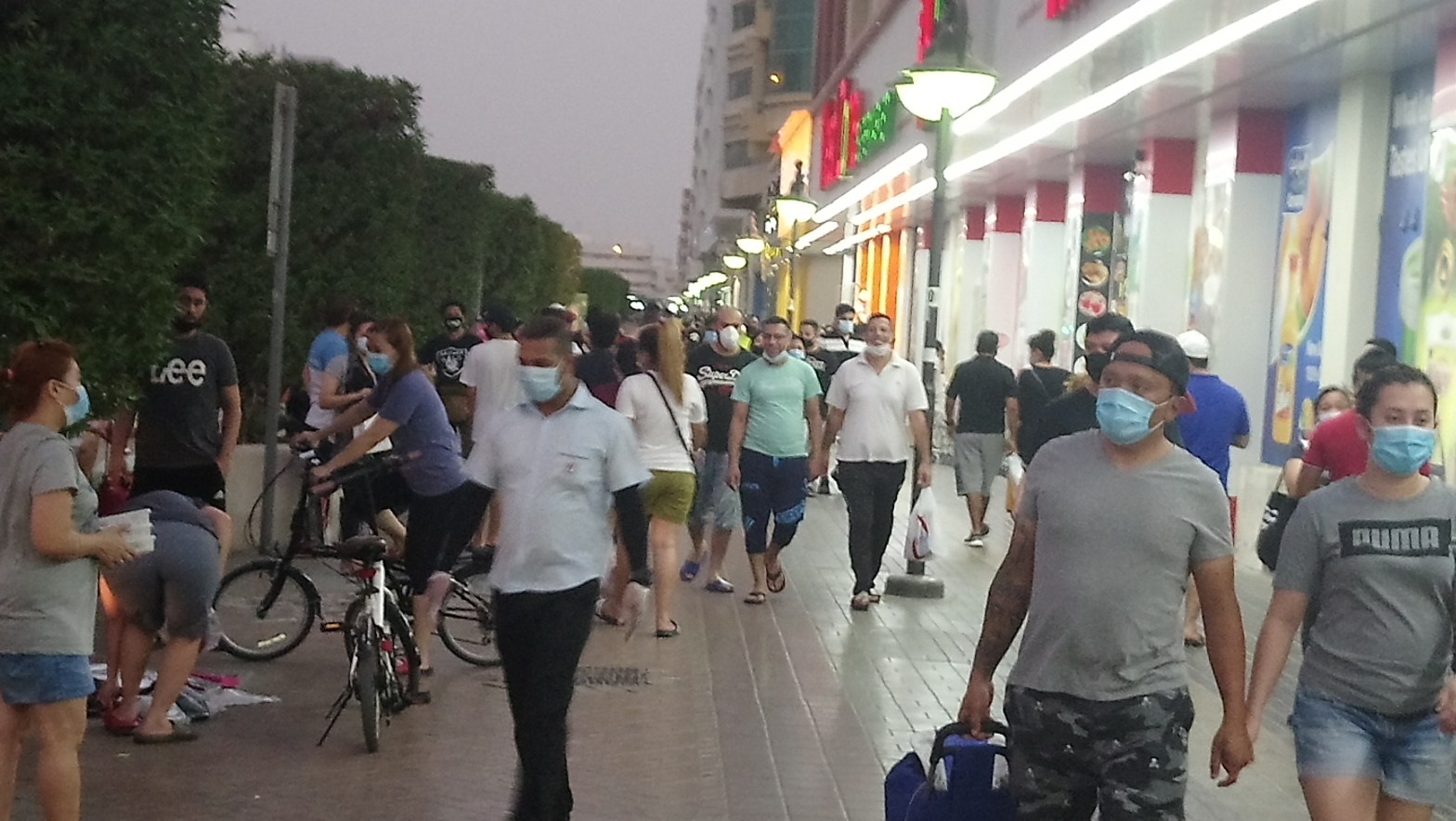
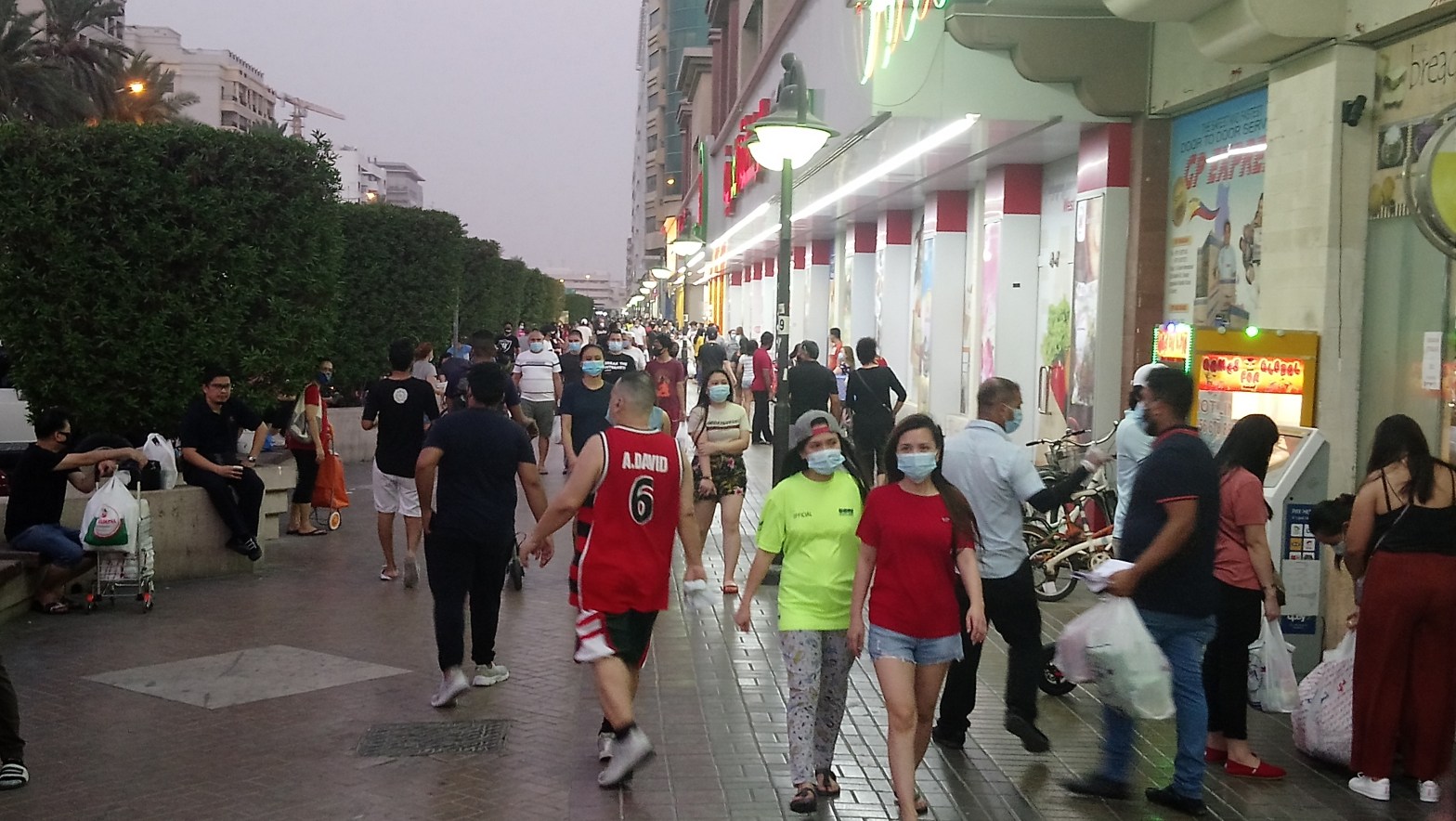
File photo of Filipinos in the Muraqqabat area of Dubai.

“The people who are asking about the Affidavit of Support and Guarantee (ASG) said they understand that supporting someone in the current pandemic situation requires a lot of funds,” Consul General Marford Angeles said.
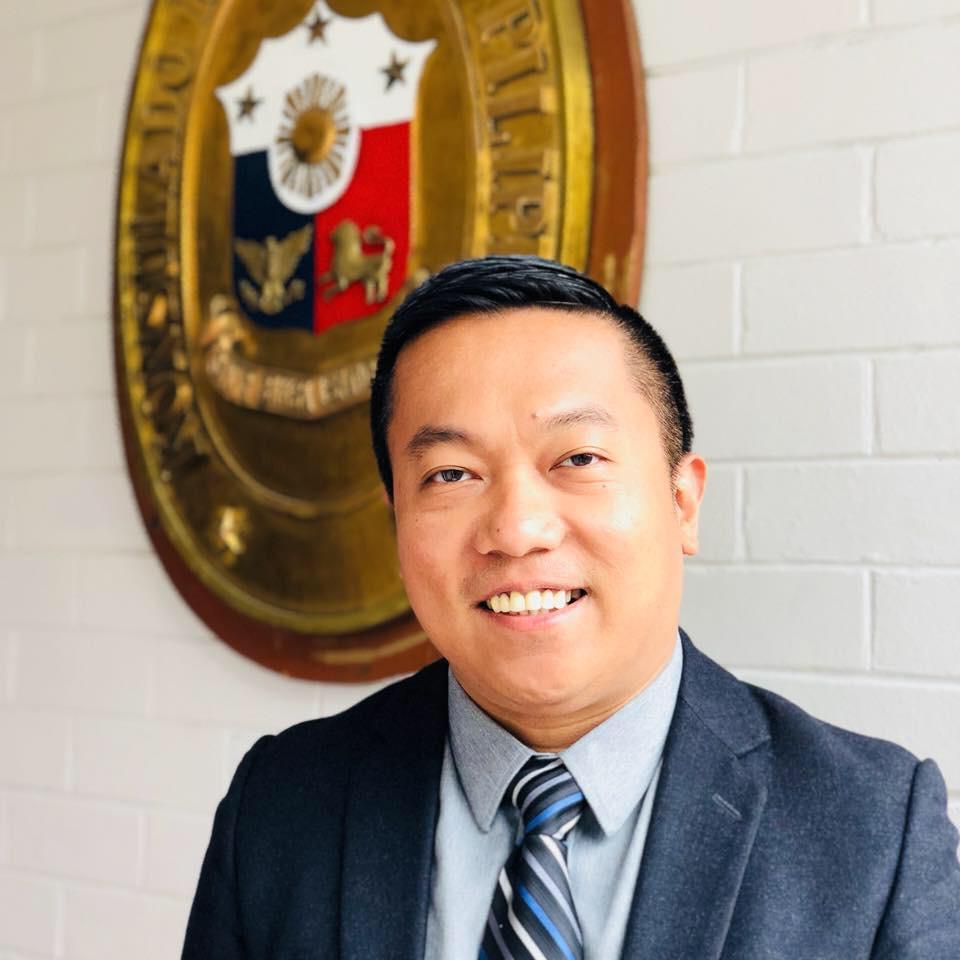
Consul General Marford Angeles (File photo)

The new requirement took effect on Monday, Aug. 24, 2020.

The ASG is a set of documents needed to be presented to the embassy or consulate when petitioning a relative from the Philippines to come to the UAE as tourist.

Angeles said those who have queries about the new requirements should reach out to the embassy in Abu Dhabi or the consulate in Dubai with their concerns. “We will respond,” he said.

Other quarters said the move was also meant to discourage the practice of bringing in relatives to look for jobs.

The embassy and consulate have stranded visit and tourist visa holders among priorities in the government’s ongoing repatriation efforts. The consulate has so far repatriated approximately 2,000 overseas Filipino workers (OFWs) from Dubai, including visit or tourist visa holders.

Drastically impacted by the new rule are travel agencies which facilitate the visas with UAE immigration authorities.

Malou Prado, CEO of MPQ Travel & Tourism, said the new measure would mean a drop in business transactions.

“Medyo pahirapan na ang pagpunta ngayon dito sa UAE ng mga Filipino. Malaki ang impact sa aming mga travel agencies nito kasi wala nang masyadong magpapa-visa,” she said.

Malou Prado, CEO of MPQ Travel & Tourism (File photo)

For his part, Sid Rivera, marketing manager at Al Qadi Tourism, said what used to be required was a salary certificate. He said the new rule asks for an employment contract where the salary is indicated, or a six-month pay slip.

Rivera said authorities have apparently learned lessons from the ongoing repatriations of stranded Filipinos on tourist or visit visas.

“They just want to make sure lang po talaga na if may kukunin ka na relatives sa Pilipinas, you can support here sa UAE,” Rivera said.

“Like what’s happening ngayon dito po sa UAE during this coronavirus period, may mga kamag-anak ang mga OFW na overstaying na or hindi na matulungan makauwi, that’s why lumapit sa consulate or embassy,” he added.
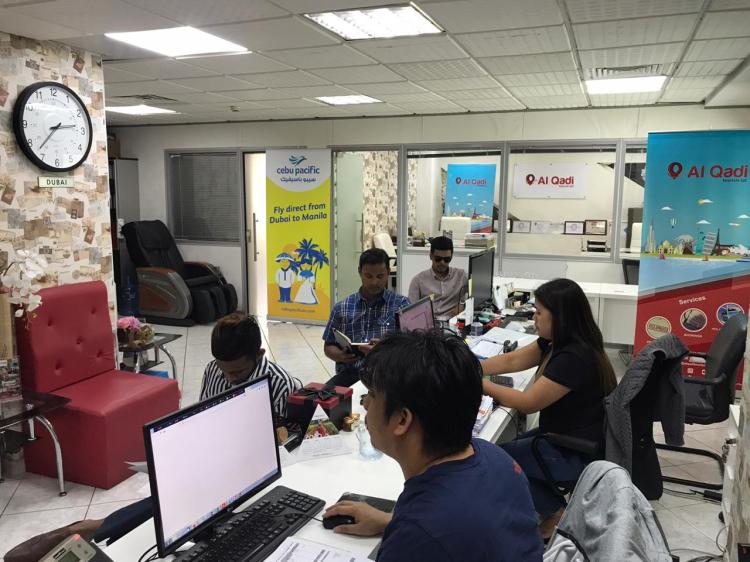
Al Qadi Tourism (File photo)

Rivera said the new requirement can also be a deterrent against human trafficking. “Maraming agency ang nagpepeke ng affidavit kaya pagdating nung tao  napapahamak kung hindi man na-offload sa airport sa Pilipinas,” Rivera explained.

The new ASG requirements are as follows:

  • Proof of relationship where an applicant can execute an affidavit to sponsor a relative only within the 1st and 2nd degree of consanguinity or affinity.
  • Proof of income where the sponsor should show proof of income in the UAE based on the following thresholds:

Single person = AED10,000

Family of two = AED14,000 wherein family of two is either husband and wife or single parent and child

Family of four = AED18,000 wherein a family of four is husband and wife with two children or single parent with three children.

  • Documentary requirements, in which, aside from the employment contract and six-month pay slip, the sponsor is also required to show tenancy contract as proof of accommodation under his or her name; or a hotel booking stating the visitor’s duration of stay as well as flight booking.
  • Tourist visa issued by the UAE government.
  • Residence visa of the sponsor.
  • Trade license of the travel agency or the company facilitating the visitor’s tourist visa.

Birth and marriage certificates are also required.

There are approximately 750,000 documented OFWs in the UAE prior to the Covid-19 pandemic. Close to 15,000 have been repatriated as of July, according to the Department of Foreign Affairs. (DFA).
COVID survivor recounts ordeal: 10 days in a coma and now on the road to full recovery

DUBAI: He was comatose for 10 days due to Covid-19 and looking back at his harrowing experience, 45-year-old Michael Malayan is now being more careful as he makes his way toward full recovery.

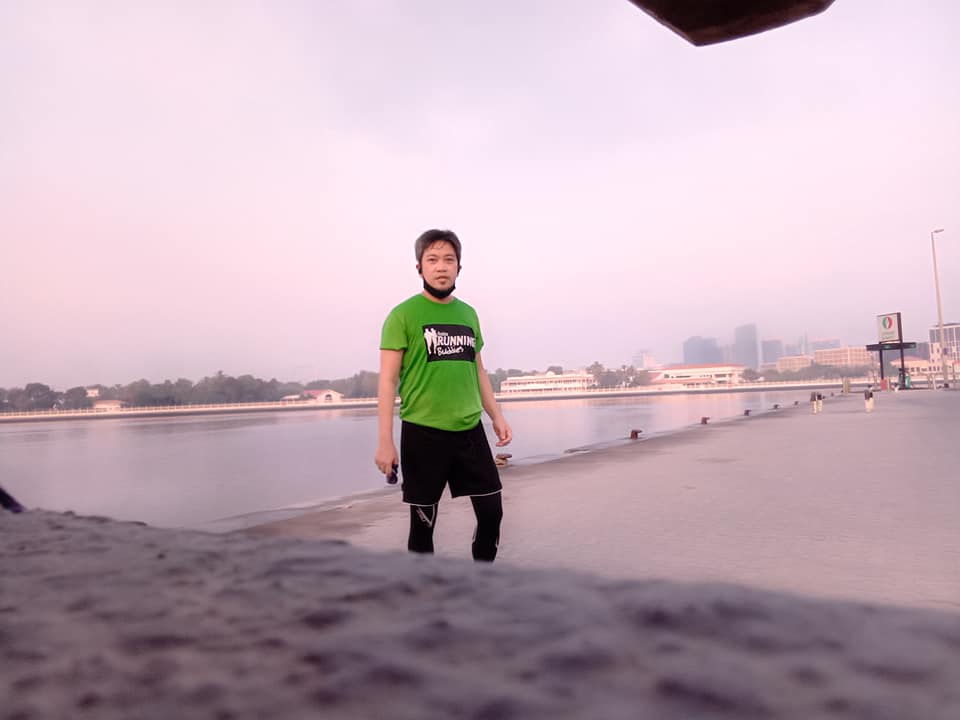
An engineer from Iloilo City, Malayan would these days be seen running up to eight kilometers around his neighborhood every morning in Jumeirah Lakes Towers, a large cosmopolitan area in the southern part of Dubai to regain lost grounds.

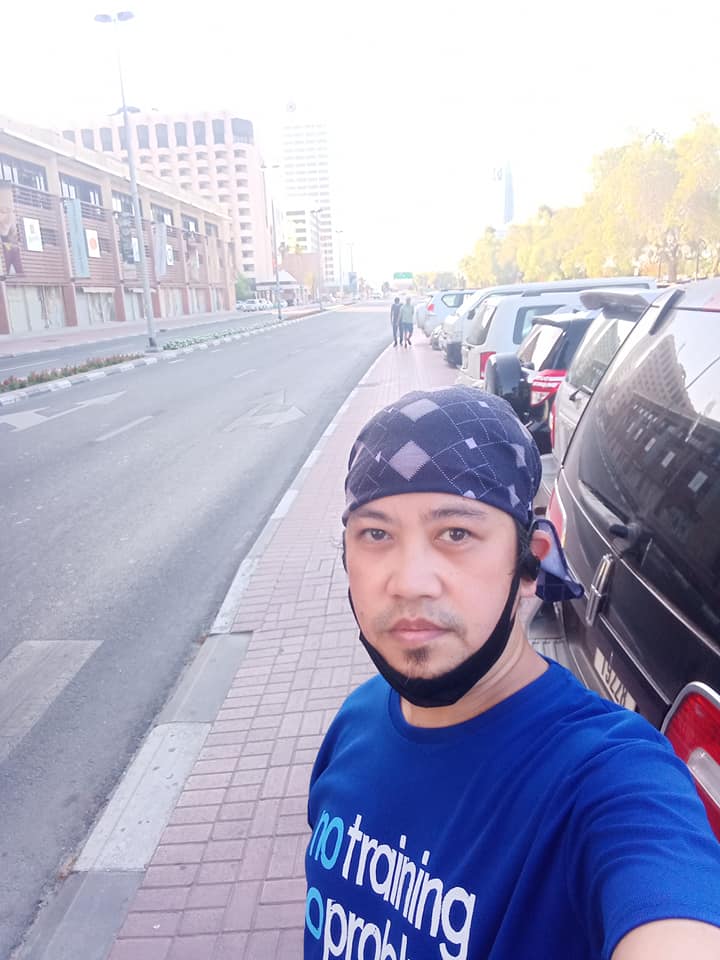
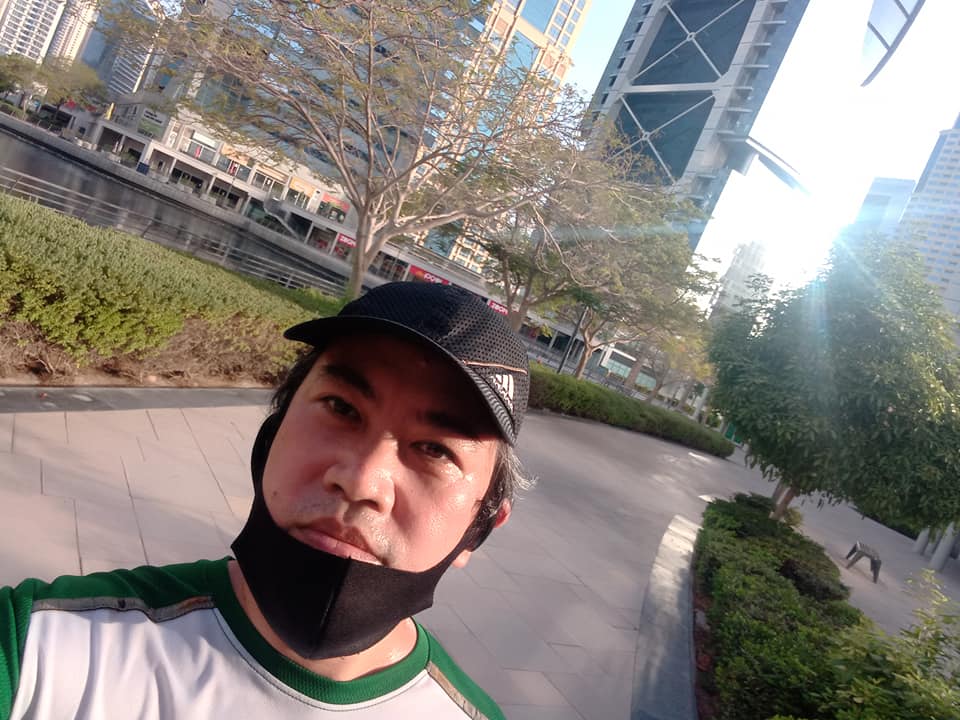
Michael Malayan takes a selfie break during one of his regular morning runs. (Contributed photo)

“Simula ulit. Pero hangang ngayon, hirap ibalik ang dating pacing,” said Malayan, who had joined marathon competitions in the past.

It all happened in April when Malayan would be gasping for breath, not because he was sprinting but rather the coronavirus had apparently gotten him.

“Nag-agaw buhay ako. Bago ako na-admit, confident pa ako na kaya ko, hanggang nawalan na ako ng malay,” he recalls.

He shared that it all started with a dry cough and slight fever around the second to third week of March.

“Akala ko ordinaryong lagnat lang. Kinakaya ko pa. Hanggang nahihilo na ako,” he said. Dizziness means the body’s oxygen level is going down, which is a sign of coronavirus infection, according to doctors.

Around early April, Malayan said he experienced difficulty breathing and this led him and friends to a hospital, which then referred them to another hospital apparently designated for Covid-19 patients.

The following night on April 5, Malayan was transferred to a specialty hospital “nang hindi ko na namalayan,” he said.

According to reports, Malayan was rushed to the hospital on an ambulance as he was having very low oxygen level, which necessitated that he be immediately sedated, intubated, put on a mechanical ventilator and placed in the Intensive Care Unit (ICU).

A doctor at the hospital, according to a Gulf New report, said Malayan “remained on the mechanical ventilator for 10 days and in coma all through.” He was fed “through a tube going into his stomach.”

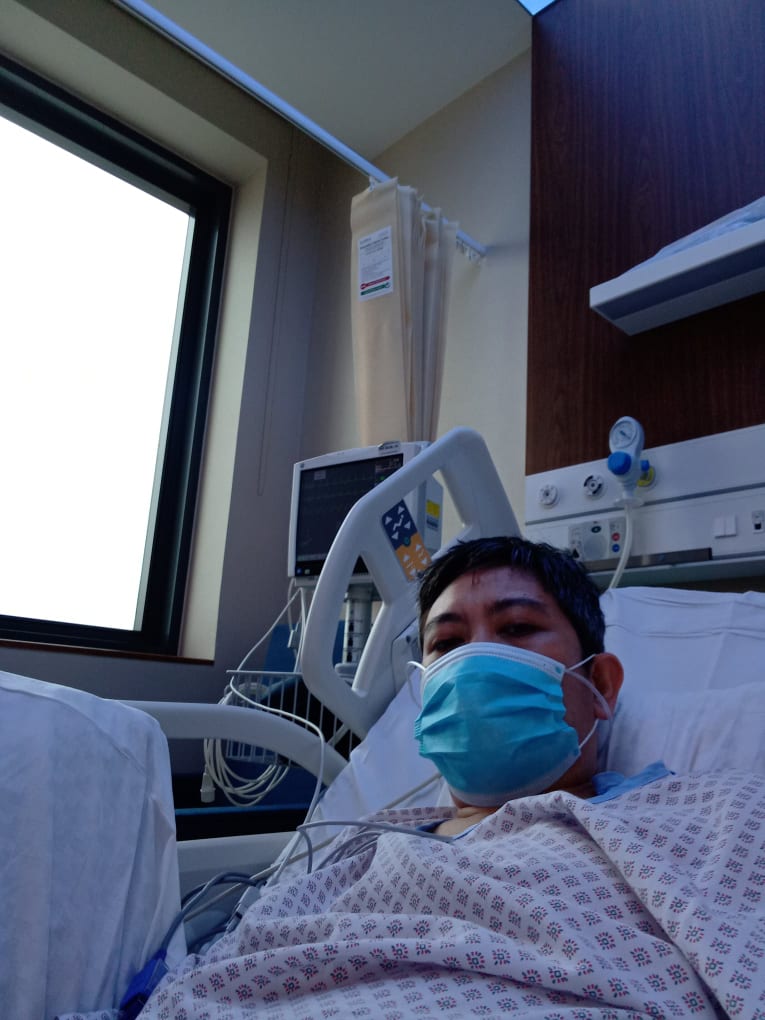
Michael Malayan undergoing treatment at a hospital. (Contributed photo)

“Doon na ako natakot nang magising ako, dahil nalaman ko na tumagal pala ako sa ICU, sedated at intubated,” said Malayan, mechanical engineer and a graduate of Western Institute of Technology in Iloilo.

“Kahit hanggang ngayon kaunting ubo lang at medyo masamang pakiramdam natatakot na agad ako. Salamat sa Diyos at walang positive sa mga pamilya ko,” he added.

Malayan was finally taken off the mechanical ventilation on April 16 and, following two negative Covid-19 tests, was discharged on April 26, which was followed by a 14-day quarantine at a hotel.

Picking up the pieces

But the life-and-death struggle did not end there.

Being bedridden for almost a month from April 5 to 26,  Malayan’s muscles have become very weak.  

Michael Malayan was back into running in June, looking back at the distance he has made and the harrowing experience he has had. (Contributed photo)

“Matagal pa akong naka-recover mula sa ‘pagkatulog,’” said Malayan. “Mabuti mababait at maasikaso mga staff ng ospital. Bago ako lumabas, naglalakad na ako sa kwarto ko, at advice din ng mga doctor at mga staff,” said Malayan, who now is working from home.

Soon as he could muster the strength, Malayan was back into running in June, looking back at the distance he has made and the harrowing experience he has had.

“Minsan nakakaramdam pa rin ng black-out at panghihina ng katawan, pero ang puso ay dapat i-maintain,” he said.

His advice: “Follow protocols,” among them social distancing and the proper wearing of face masks.

“Ingat pa rin sa mga mataong lugar. At Kung na-admit na (sa ospital), huwag panghinaan ng loob. Regular na communication sa pamilya, kaibigan at katrabaho, na alam mong nagdadasal sila para sa iyo. Sumunod sa mga sinasabi ng Hospital staff. At magdasal, iyan ang pinaka-epiktibong gamot,” said Malayan.

Malayan, whose wife and two sons are in Iloilo,  is staying in Dubai with his brother and sister.  He arrived in Dubai back in February of 2018 and works at a construction consultancy firm.

UAE raises concern over rising number of new Covid cases

DUBAI: The UAE recorded an increase of 136 new Covid-19 cases in just a day’s time, raising concern among health officials who reminded everyone to be mindful of protocols like social distancing and properly wearing face masks. As of Wednesday evening, Aug. 19, there were 435 new cases recorded across the country, the first time the numbers hit this high in months.

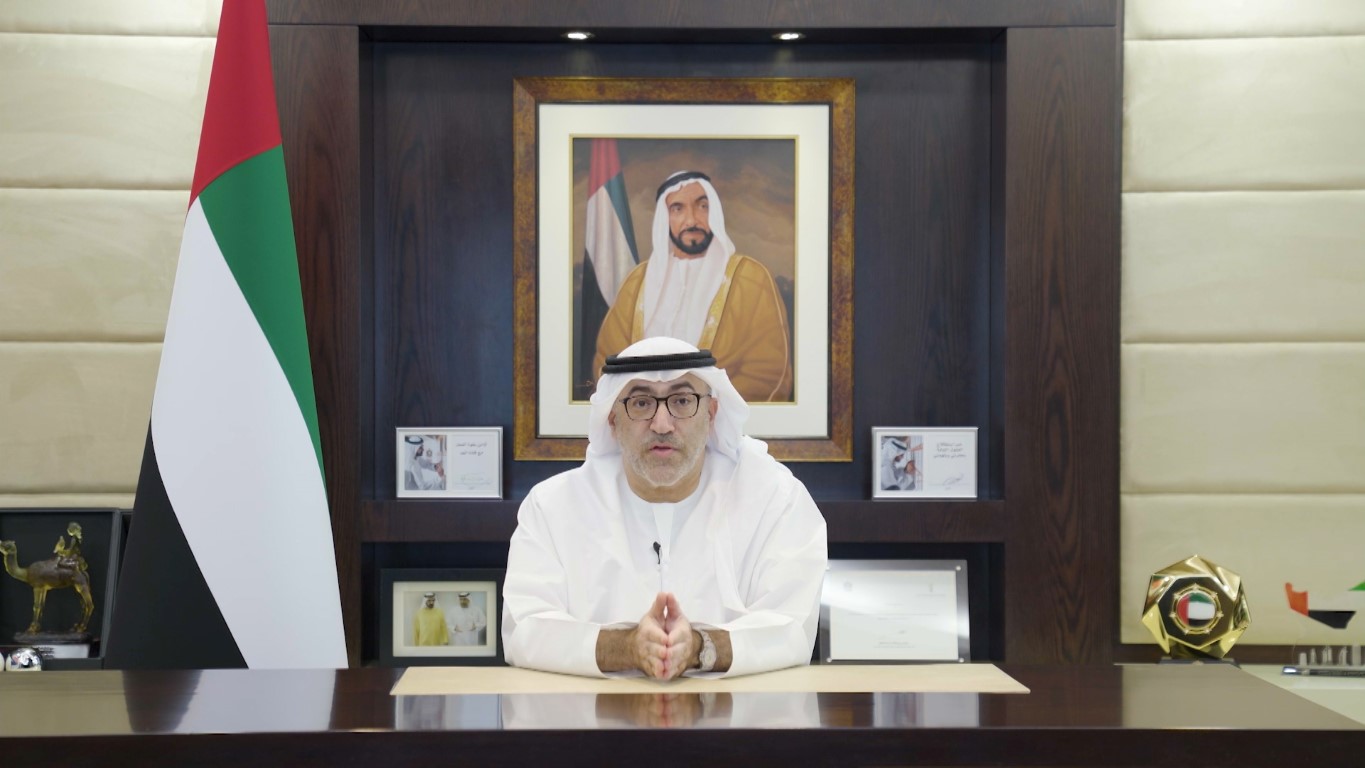
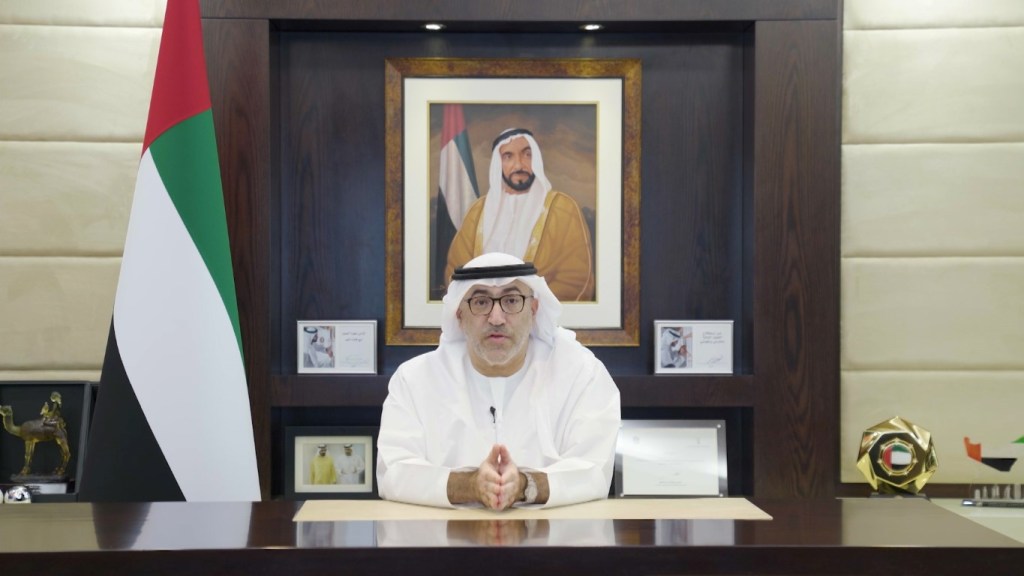
Health and Prevention Minister Abdul Rahman bin Mohammad bin Nasser Al Owais (WAM photo)

WAM, the government’s official news agency reported that Health and Prevention Minister Abdul Rahman bin Mohammad bin Nasser Al Owais said there has been a “noticeable increase in daily infection rates” of the coronavirus in the country, which, he said, “may be an indicator of an alarming increase in the number of cases in the coming period.”

Dr. Omar Al Hammadi, official UAE government spokesperson (WAM photo)

Dr. Omar Al Hammadi, official UAE government spokesperson, meantime also pointed to the worrying increase in the number of daily cases, the Emirates News Agency, or WAM, said in an advisory issued on Tuesday, Aug. 18.

Al Owais and Dr. Al Hammadi attributed this to people attending gatherings and visits without following basic precautionary and preventive measures such as physical distancing and wearing masks.

Both stressed the importance of adhering to these measures.

750,000 documented OFWs

The UAE is second home to an estimated 750,000 documented overseas Filipino workers (OFWs).

Daily Bread file photo of OFWs in Muraqqabat.

There have been 60 Filipinos who have died of coronavirus infection in Dubai since the pandemic hit the UAE in late January this year, according to Consul General Paul Raymund Cortes.

“This is precisely why we never should let our guards down,” Cortes said, following the WAM announcement.

Consul General Paul Raymund Cortes (PCG file photo)

“The virus is still there and although we know more of how to protect ourselves, we must not be complacent,” he added.

The UAE, in the past several weeks, have been seeing relatively low numbers of new Covid-19 cases.

Dr. Al Hammadi stressed that this apparently did not mean the virus has subsided as can be gleaned from the sudden increase in the numbers.

Shoppers observe social distancing at a hypermart. (Daily Bread file photo)

The doctor stressed that the alarming increase in the number of infections is an indication that COVID-19 cannot be overlooked and that people need to continue to follow all of the preventive health and safety measures, the most important of which is physical distancing and avoiding large gatherings and visits, the WAM report stated.

Dr. Al Hammadi said there were 6,631 patients receiving Covid-19 treatment as of press time.

Numbers

A recovering Covid-19 patient. (Contributed photo)

There were, according to the daily tally by the Ministry of Health and Prevention (MOHAP), 365 new Covid-19 cases on Tuesday, Aug. 18; the day before on Aug. 17, Monday, the numbers stood at 229 – an increase of 136 new cases.

The number further went up on Wednesday, Aug. 19 with 435 new cases recorded — the first time in the past months that the figure breached the 400-mark.

On Sunday, Aug. 16, it was 210. There were 330 new Covid-19 cases last Friday, Aug. 14.

As of this writing, total Covid-19 cases in the UAE was at 64,906 of which 57,909 were recoveries. There have been 366 Covid-19 deaths so far, the latest of which were two fatalities also on Tuesday, Aug. 18 and another one on Wednesday, Aug. 19. according to MOHAP.

UAE extends expired visa amnesty for 3 months

Those whose visas have expired before March 1 now have until Nov. 17, instead of Aug.18, to leave without penalties and re-entry ban.

DUBAI: Visa holders whose legal stay in the UAE has expired before March 1 this year may now heave of sigh of relief as they have another three months to stay without fines and penalties provided they leave on Nov. 17.

The Federal Authority for Identity and Citizenship (ICA), has further extended the grace period for those with expired visas for three months, waiving fines and penalties, including a re-entry ban, provided they leave the country on or before Nov. 17 this year.

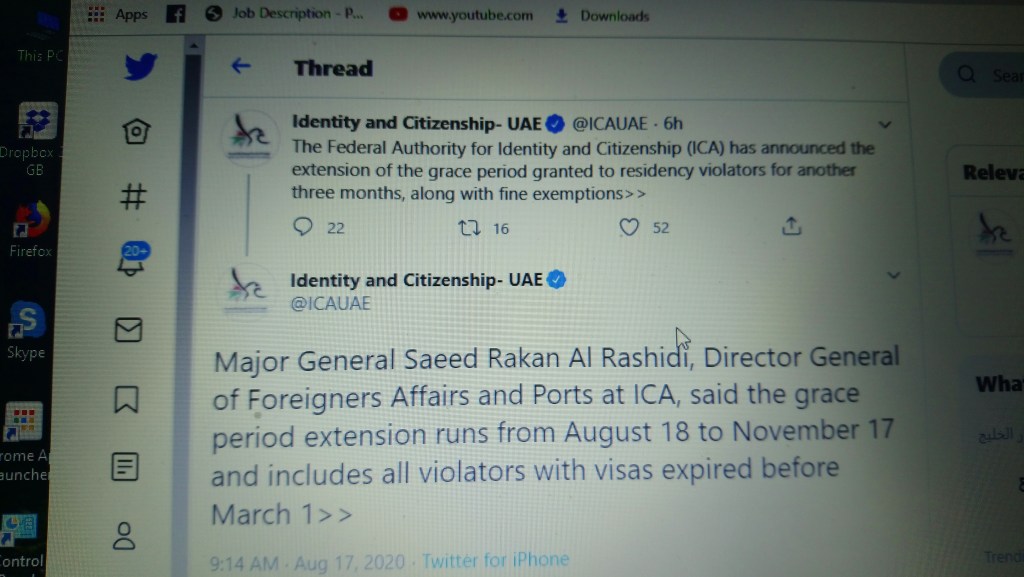
“The Federal Authority for Identity and Citizenship (ICA) has announced the extension of the grace period granted to residency violators for another three months, along with fine exemptions,” ICA, on Monday Aug 17, tweeted.

In the same announcement, ICA cited Major General Saeed Rakan Al Rashidi, Director General of Foreigners Affairs and Ports at the government agency, as saying that “the grace period extension runs from August 18 to November 17 and includes all violators with visas (that have) expired before March 1.”

“Al Rashidi made it clear that the initiative covers all violators of the entry and residency law, and affirmed that the violators will not be banned from entering the UAE provided they leave the country,” ICA further tweeted.

He emphasized that visa holders wishing to leave the UAE from the emirates of Abu Dhabi, Sharjah and Ras Al Khaimah airports must arrive six hours before the flight, while those wishing to leave the country through Dubai Airport must visit the deportation center at the Civil Aviation Security Centre near Terminal 2 at least 48 hours before the flight.

The ICA said “the violator will have to complete procedures in only 3 steps, including obtaining the passport, buying the ticket, &arriving before the date of the trip.

The government has set up an operation room, along with a toll free number 800453 dedicated to respond to all inquiries every day of the week from 8am until 10pm, except on holidays.

Returning OFWs: Some get lucky, others not so

DUBAI, United Arab Emirates – Others got up to four job offers, mostly from call centers. Some has resorted to Facebook marketing, selling signature bags they had stocked up on working abroad, while there were also those planning to open a start-up business, checking out loan programs at the Overseas Workers Welfare Administration (OWWA).
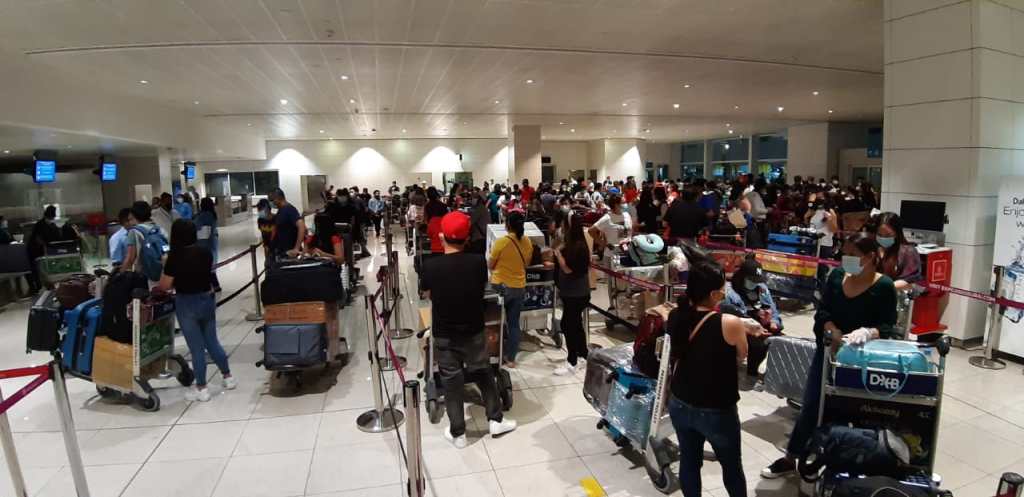
Overseas Filipino workers checking in at Dubai International Airport on their way home. (Photo courtesy of Philippine Consulate General)

And as the unhampered flow of returning overseas Filipino workers (OFWs) who have lost their jobs continues, there were also those left with not much choice but to stay home as the pandemic – and its accompanying recession – wear on across the country.

Work from home offer

“May apat po akong pinag-pipilian na job offers,” said Sarah Gollayan, who arrived at Clark International Airport on July 6, with husband, Jose Gollayan Jr., a restaurant staff. She had been without regular job for two years and had resorted to nannying and house cleaning in Abu Dhabi to survive.

Sarah Gollayan and hjusband, Jose Gollayan, Jr. (Contributed photo)

“Maganda rin ang offer nila. Almost the same offer po na natatanggap ko sa UAE,” Sarah said, referring to an administrative work at a medical clinic she got before the COVID pandemic hit the Gulf country in February.

The Business Process Outsourcing (BPO) sector was among economic activities that have continued operation despite the pandemic, which hit hard on the hospitality, food and beverage, public transport and events industries among others.

“Ongoing naman yung work for BPOs. Actually mas pinadali nga po dahil virtual processing lahat. Yun nga lang, kailangan talaga matiyaga ka,” Sarah said.

She said three of the offers she has received were from BPO companies while the fourth was from an offshore IT firm. The nice thing about it, Sarah said, is that all have work-from-home arrangements.

“They will provide equipment. The two companies were offering to give P2,000 monthly internet allowance so long as we are working from home,” she said.

The Gollayan couple, who lives in Commonwealth Quezon City, has been in the UAE since Dec. 7, 2014.  

Signature bags for sale

For her part, April Chentes, who arrived in Manila on June 8, proved she can be an enterprising OFW, having stocked up on signature ladies’ bags and other brand name products that she has now been selling on Facebook.

“Medyo mahirap po magbenta ngayon kasi may pandemic, hindi masyado bumibili ang mga tao. Pero pwede ka pong kumita ng P200 to P400 per bag,” said Chentes, who worked at a high-end shop for tourists in Dubai that has temporarily closed. She was on unpaid leave since March 24.

Chentes said she conducts business through the courier service. “Pick up or meet up pag kakilala ang buyer,” she said.

She said she bought her merchandise while she was still in Dubai. “Nung pauwi na ako, nag-ipon talaga ako ng pambenta,” Chentes said, adding that she has about 100 bags for sale.

Start-up business

Meanwhile, if there were no jobs available, the next best thing to do is open a start-up, which is what Renz Emille Antero Sy and husband, Myko have in mind.

Renz Emille Antero Sy, husband Myko and daughter Caia Shiloh. (Contributed photo)

“Tunganga din dito ngayon sa Pilipinas, pero at least kasama na family. Susubuk kami magbenta ng magbenta para kumita,” Renz said.

“Medyo hirap po talaga. Kasi sa Dubai, maraming donation kahit paano. Ang mahirap lang dun kasi rental, pero mas madali tumawid ng gutom dun,” she added.

Renz said they were looking at OWWA programs for OFWs that they could avail of. “May inaasahan kaming cash assistance from OWWA,” she said.

The OWWA offers an “OFW-Enterprise Development and Loan Program (OFW-EDLP),” which provides for a loan facility in partnership with Land Bank of the Philippines (LBP) and the Development Bank of the Philippines (DBP) and meant to support OFWs engaging in small business.

Renz said they opted to go home because “may kasama kaming baby.”

“Hirap kami kung saan kukuha ng pambayad sa rent kasi hindi naman pwede mag-bedspace,” she said, referring to their two-year-old daughter, Caia Shiloh.

Renz, whose last job in the UAE was as office manager at a digital marketing company, said they will try their luck at doing small business.

“Kung ano natitira namin na pera ayun lang habang walang income,” she said. “Mag-try kaming magtinda ng milk tea since hindi rin naman makahanap ng trabaho,” she added.

Filipinos are known big fans of milk teas.

Locally Stranded Indivuduals

Jhoy Dumol Cabanalan Sales, who arrived in UAE in March to look for work as salon staff while on visit visa, returned home on Aug. 5 and is now weathering the impact of the coronavirus in Iloilo, her province where she is now at.

Jhoy Dumol Cabanalan Sales (Contributed photo)

“Mostly po mga Locally Stranded Individuals yung mga naging positive,” said Sales.

The Department of Health has reported that Western Visayas, which includes Iloilo, has recorded 1,931 COVID-19 cases with 31 deaths and 957 recoveries, as of Sunday, Aug. 9. This has necessitated a modified general community quarantine status.

Try as she might, Sales said chances of getting a job were very slim considering the pandemic.

“Maghahanap po ako ng trabaho pero sa ngayon wala pa po kasi ang hirap dito sa Iloilo — ang daming positive,” Sales said.

Nonetheless, Sales said she is happy “kasi nakauwi na rin ako kahit mahirap ang situasyon pero nakayanan.”

Repatriation

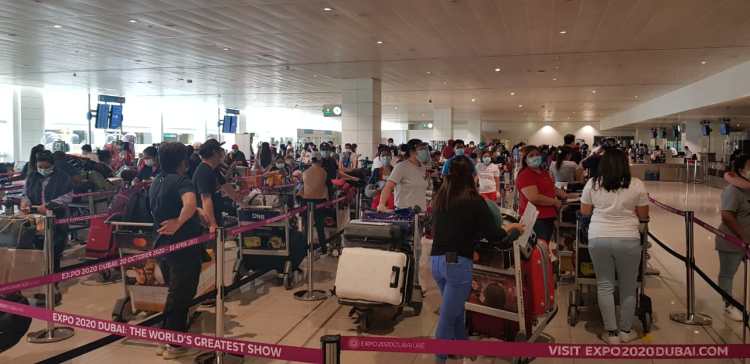
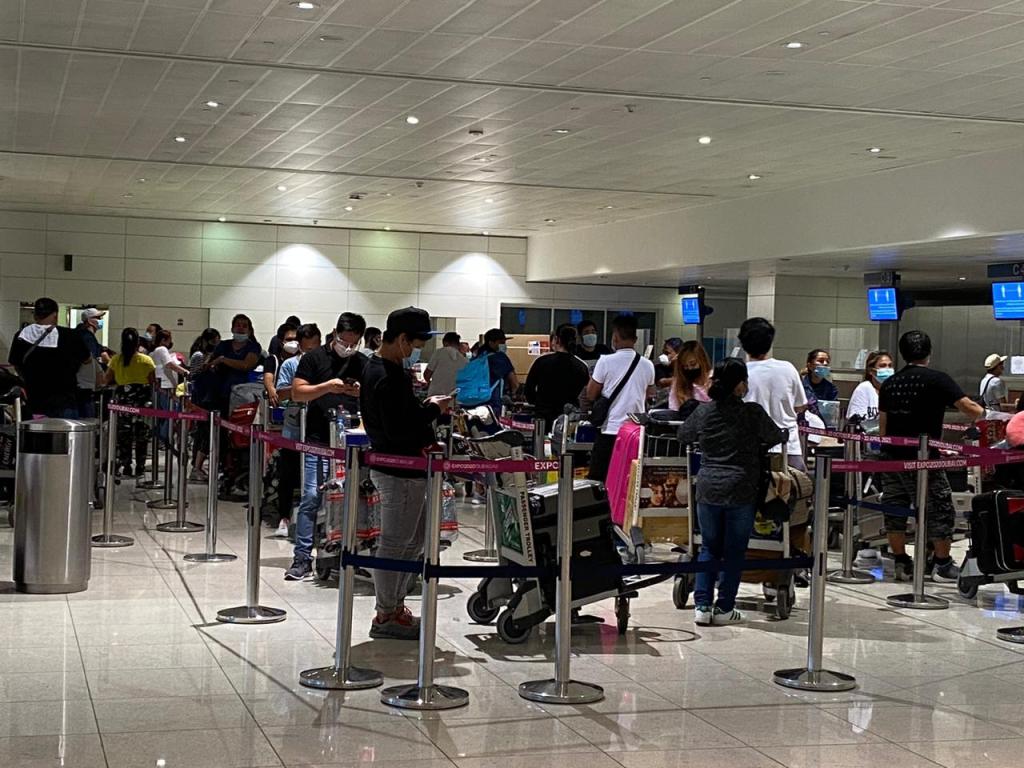
Overseas Filipino workers checking in at Dubai International Airport on their way home. (Photo courtesy of Philippine Consulate General)

 According to the Department of Foreign Affairs (DFA), some 35,656 of the 50,887 overseas Filipinos brought home in July were from the Middle East – with the biggest number of repatriates coming home from the UAE at14,948.

Consul General Paul Raymund Cortes said around 1,800 OFWs have been repatriated by the consulate in Dubai through its Assistance to Nationals section since June when the first batch of 370 left on board Cebu Pacific flight 5J 19 middle of that month.

The latest batch was composed of 354 Filipinos repatriated in the evening of Aug.10 on board a chartered Philippine Airlines flight PR 8 659 from Dubai International Airport (DXB).

Grandma bids g’bye to her grandson as exodus of Pinoys from Dubai continues

DUBAI: The ongoing exodus of Filipinos from Dubai due to the global pandemic has not been without scenes that touches the heart, among them that of a grandma and her six-year-old “apo” whose mom took to the airport for a few more bonding moments before “lola” boarded the plane for Manila.
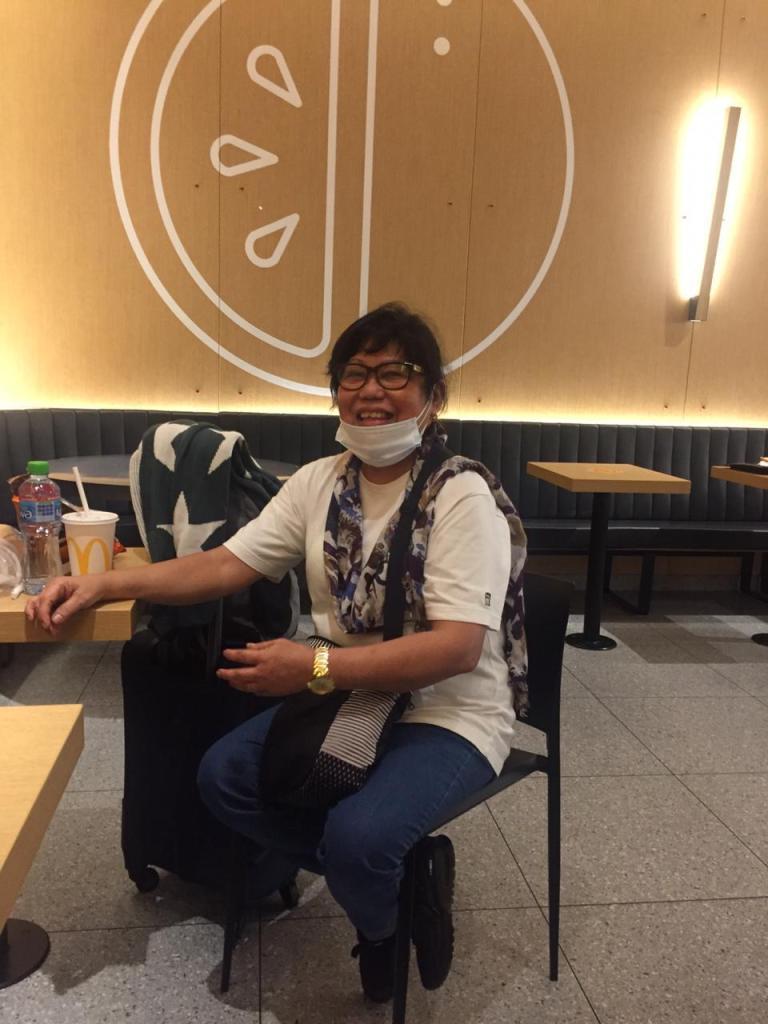
Sixty-four-year old Elizabeth Macaraya Labora of Cebu. (Photo courtesy of Eli Jesusa Labora Odilao)

Sixty-four-year old Elizabeth Macaraya Labora of Cebu, herself an overseas Filipino worker (OFW) since 1996, bade bye-byes to her youngest grandson, six-year-old, Biel whom she has helped raise.

“Sinama ko po sa airport kasi baka magtaka na biglang wala ang ‘nanay’ nya sa bahay,” said Eli Jesusa Labora Odilao, travel consultant and Labora’s daughter, referring to the grandmother.

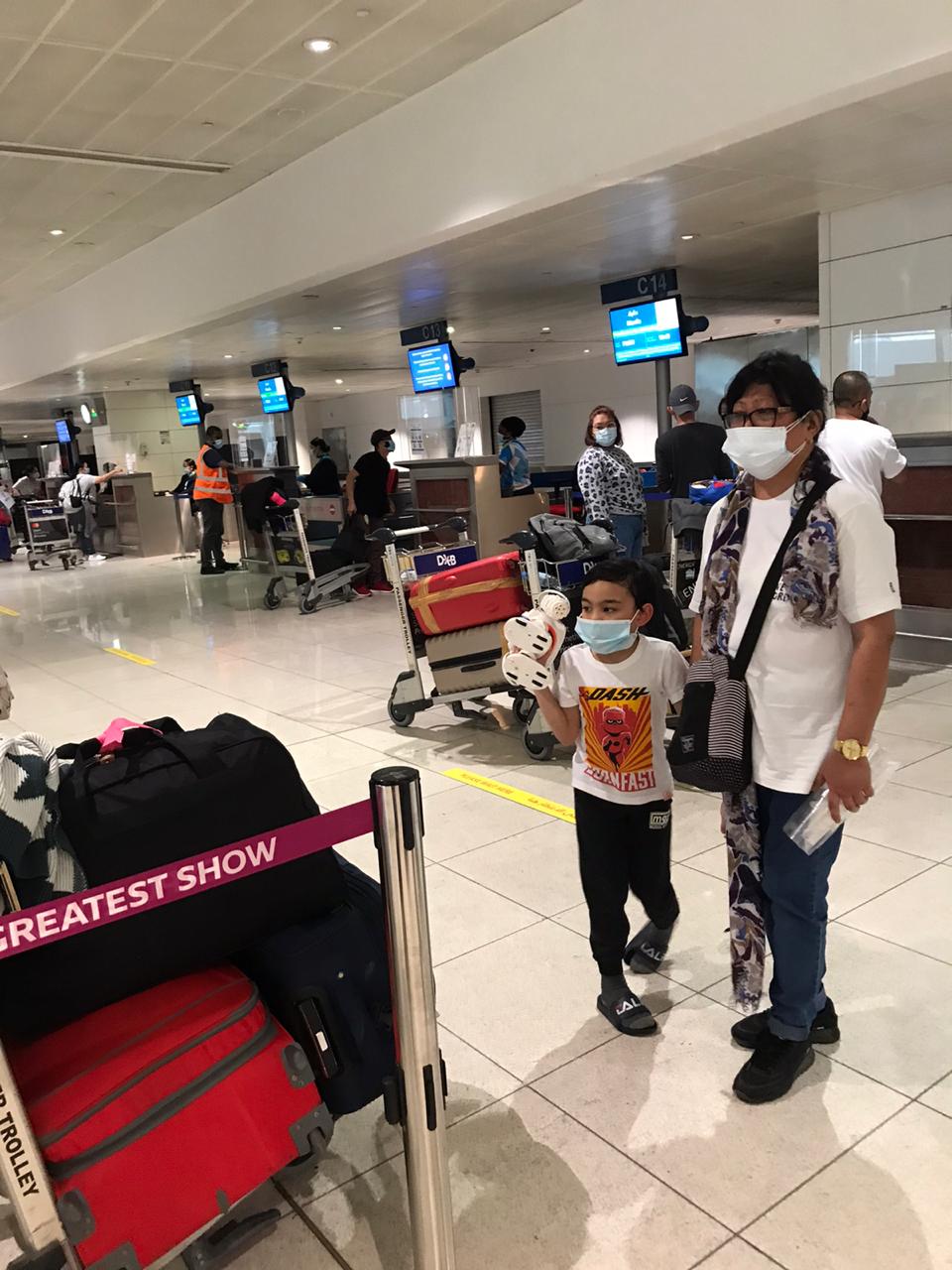
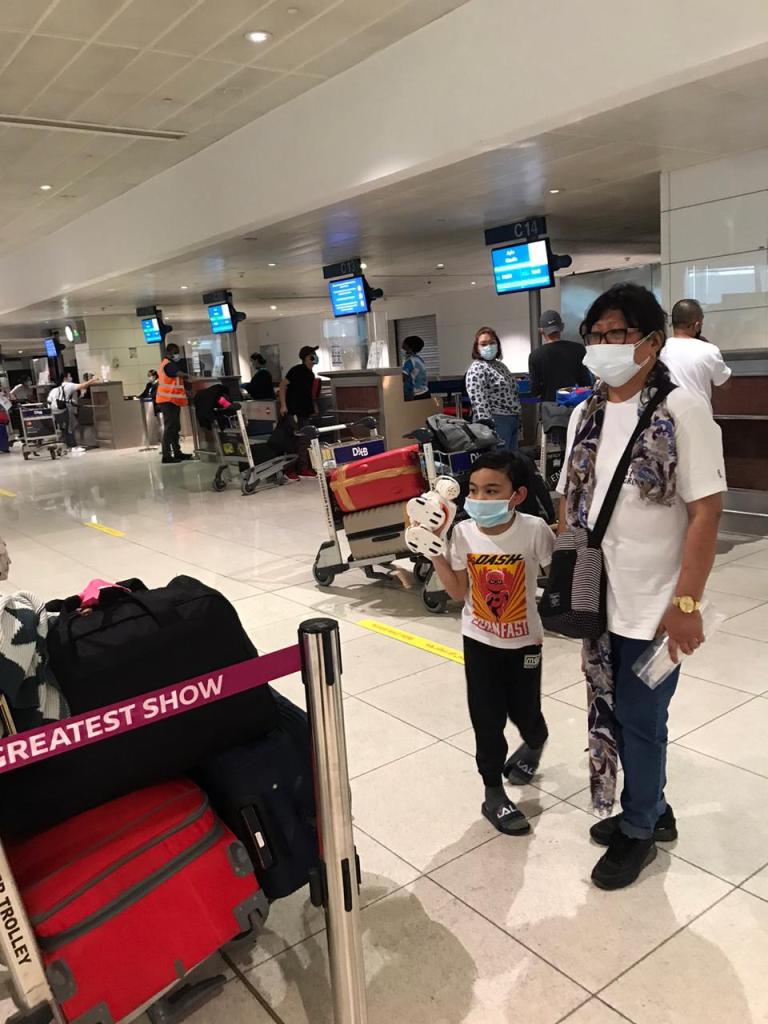
Lola Elizabeth Macaraya Labora and her grandson, six-year-old Biel at the Dubai International Airport. (Photo courtesy of Eli Jesusa Labora Odilao)

“Super close sila ng nanay ko. Sya kasi ang pinaka-bunso na apo ni mama at naa-alagaan din nya,” Odilao added.

She said her mother has been around since Biel was “small.”

“Andito na si mama helping me look after him while he was growing up. Si mama din was also helping me a lot with the financial, moral support,” said Odilao, herself the youngest of Labora’s three children.

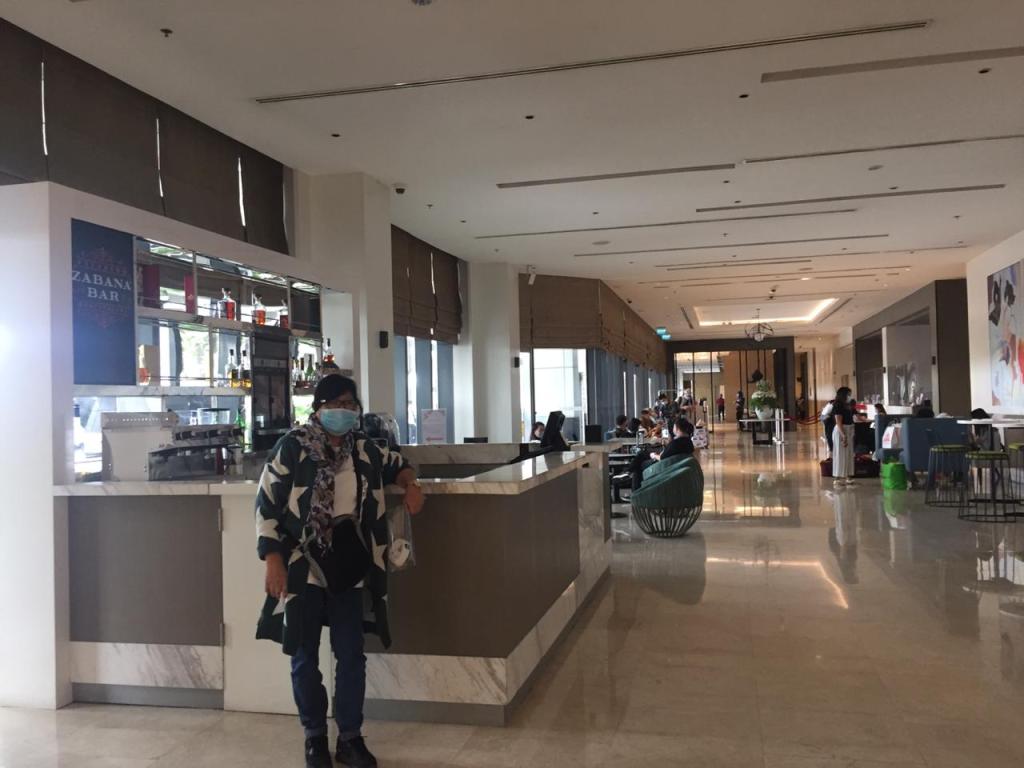
Lola Elizabeth Macaraya Labora in the hotel lobby in Manila, waiting for their bus to take them to the Airport for their final destination (Mindanao and Visayas bound). Photo courtesy of Eli Jesusa Labora Odilao

According to Odilao, her mother joined the Filipino diaspora back in 1996 to work as a caregiver in Taiwan and then Hong Kong. Labora also worked in Saudi Arabia as an all-around staff at a salon for seven years before moving to the United Arab Emirates (UAE) where she was employed for 11 years also at a salon.

“She’s a hardworking mom, kahit sa Pilipinas pa. Aside sa may support sa tatay at sa mga kapatid ng tatay ko, she worked for us,” said Odilao, who recalls that she was in fourth year high school when her mother went abroad.

According to Odilao, her mother had returned to the Philippines after her contract expired in 2017.

“Tapos, pinapunta ko sya dito (Dubai) as tourist last November 2018 kasi na miss nya anak ko at para naman may katuwang ako to look after my son while I went back to the corporate world,” said Odilao.

“But due to a financial situation that hit my family here, exacerbated by the Covid pandemic, need ko rin munang pauwin si mama,” she lamented.

The latest batch of 354 Filipinos repatriated in the evening of Aug.10 (Photo courtesy of Philippine Consulate General)

Labora was part of the latest batch of 354 Filipinos repatriated in the evening of Aug.10 on board a chartered Philippine Airlines flight PR 8 659 from Dubai International Airport (DXB).

Consul General Paul Raymund Cortes said around 1,800 OFWs have been repatriated by the consulate in Dubai through its Assistance to Nationals section since June when the first batch of 370 left on board Cebu Pacific flight 5J 19 middle of that month.

Consul General Paul Raymund Cortes (left) with part the latest batch of 354 Filipinos repatriated in the evening of Aug.10 on board a chartered Philippine Airlines flight PR 8 659 from Dubai International Airport (DXB). Photo courtesy of Philippine Consulate General.

Many more OFWs have gone home either through tickets provided for by their employers or bought on their own.

Odilao said she is grateful to Cortes as well as Vice Consul Elizabeth Ramos for working on her mother’s repatriation. The consulate has senior citizens among its priorities, which also include people with medical conditions, children and expectant mothers.

Eli Jesusa Labora Odilao an her son, Biel. (Contributed photo)

Aside from the ones who left on Aug.10, there was also a prior batch of 354 OFWs who left DXB in the evening of Aug. 5 on board Philippine Airlines flight PR 659. 

The latest batch of 354 Filipinos repatriated in the evening of Aug.10 on board a chartered Philippine Airlines flight PR 8 659 from Dubai International Airport (DXB). Photo courtesy of Philippine Consulate General.

According to the Department of Foreign Affairs (DFA), some 35,656 of the 50,887 overseas Filipinos brought home in July were from the Middle East – with the biggest number of repatriates coming home from the UAE at14,948.

The UAE is second home to some 750,000 documented OFWs with about half a million of them staying in Dubai, officials said.

OFWs facing property foreclosure urged to seek compromise with developers, banks

There is a way out for overseas Filipino workers in a quandary with their condo payments: A negotiated adjusted payment plan, developers say.

Property developers in Dubai said they have been having OFW clients facing problems with their payments.

“We have some cases of clients defaulting on their monthly down payment,” said Manuel “Manny” Arbues II, Ayala Land International Sales regional head for North America and the Middle East. He added that these cases “were already at the banks’ monitoring.”

Overseas Filipino workers (OFWs) at Dubai International Airport on their way home. Many OFWs are currently having problems with their mortgage payments for their condo investments due to job loss or salary cuts brought about by the Covid-19 pandemic.

“Meron kami niyan,” said another developer representative on condition of anonymity. “Puro loan take-out accounts dumaan sa ‘kin now. Mga turnover units na,” she said.

Takeout accounts are those where clients were already done paying down payments or equity and whose properties are with the bank to which they regularly make payments. “Yung balance nila for the unit ay bank loan na,” she added.

Adjusted plan

Miguel Bilan Jr., Sta Lucia Int’l. sales and operations manager, said they, too, have encountered OFWs having problems with their payments. “Most of them were either placed on a no-work-no-pay status or experienced salary reduction as a result of Covid-19,” he said.

Miguel Bilan Jr., Sta Lucia Int’l. sales and operations manager (right) and his staff.

As a result, he said, they offer them adjusted payment plan or payment restructuring to avoid paying their arrears in lump sum.

“For OFWs having problems in paying their properties as a result of Covid-19, I strongly suggest that they communicate with their developer for proper guidance. For sure there will be some options available for them to lighten their burden. Most developers I suppose have come up with remedies to assist and keep their clients,” Bilan said.

In the case of those who have lost their jobs and gone home, “we recommend that they look for a relative or anybody they know and close to them who is willing to assume and continue the purchase of the property,” Bilan said.

Banks will be lenient

Vince Lubrin, licensed real estate broker with Robinson’s Land Corp. Int’l., said it would be better for OFWs facing foreclosures to get in touch with their loan officer in the bank and make a compromise agreement.

Vince Lubrin, licensed real estate broker with Robinson’s Land Corp. Int’l

“Banks will be lenient to make re-structural loan proposals suitable for both parties,” he said.  “Remember that the banks’ main business is to keep their money moving.  As much as possible, they don’t want to foreclose properties because it would be an idle asset on their part,” he added.

Lubrin said he anticipates that many OFWs in the UAE would default on their payments due to job loss or salary deductions.

Meantime, he said that most of their clients caught in a bind with payments were those who have signed in the pre-selling stage.

“Since the Covid pandemic started last March 2020, some of our clients particularly in UAE, have difficulties in paying their monthly amortization, especially those who were still in the pre-selling stage,” Lubrin said.

He said those who have already mortgaged their condo units to the banks and were renting out were not much affected. “Only very few of them,” he said.

Lubrin noted that real estate companies have implemented a moratorium during the pandemic in compliance with the Bayanihan Act where they did not collect monthly amortization from March to June, 2020.

“Personally,” he said, “I advise my client to write an email regarding the non-payment of their monthly amortization and ask for an extension, so that it would not be an additional burden on their part to pay since expenses have piled up,” Lubrin said.

Most OFWs prefer investing in real property to gain passive income and as preparation for retirement.

Bloomberg, citing Colliers International Group Inc., recently reported that residential condominium prices will drop by 15% this year from a year ago before slightly recovering in 2021due to the contraction that the pandemic has caused.

COVID: Will banks foreclose unpaid OFW condos?

As more and more overseas Filipino workers (OFWs) fail to keep with payments for their real properties and condo units, will the banks be wont to go for foreclosure?

A seasoned real estate broker says he does not think so.

Vince Lubrin, licensed real estate broker with Robinson’s Land Corp. Int’l., said: “Banks will be lenient to make re-structural loan proposals suitable for both parties,” he said.  “Remember that the banks’ main business is to keep their money moving.  As much as possible, they don’t want to foreclose properties because it would be an idle asset on their part,” he added.

Lubrin said he anticipates that many OFWs in the UAE would default on their payments due to job loss or salary deductions.

He said it would be better for OFWs facing foreclosures to get in touch with their loan officer in the bank and make a compromise agreement.

Meantime, he said that most of their clients caught in a bind with payments were those who have signed in the pre-selling stage.

“Since the Covid pandemic started last March 2020, some of our clients particularly in UAE, have difficulties in paying their monthly amortization, especially those who were still in the pre-selling stage,” Lubrin said.

He said those who have already mortgaged their condo units to the banks and were renting out were not much affected. “Only very few of them,” he said.

Lubrin noted that real estate companies have implemented a moratorium during the pandemic in compliance with the Bayanihan Act where they did not collect monthly amortization from March to June, 2020.

“Personally,” he said, “I advise my client to write an email regarding the non-payment of their monthly amortization and ask for an extension, so that it would not be an additional burden on their part to pay since expenses have piled up,” Lubrin said.

PH law protects jobless OFWs beset with condo problems

DUBAI: Have you been running behind your condominium payments back home because you’ve lost your job, have been on a no-work-no-pay set-up or have had salary adjustments as a result of the Covid-19 pandemic’s economic impact?

The pandemic has not only apparently deflected Manila’s booming condominium market but as well posed serious challenges to overseas Filipino workers (OFWs), who have consequently lost jobs or incurred salary deductions while in the middle of mortgages back home.

This is reflected in Dubai, where major developers in the Philippines have through the years set up satellite offices for a huge market of about half a million OFWs but are now unanimous in saying they have clients in quandary about how to continue paying for their properties.

Protection

Atty. Barney Almazar, director at Dubai-based Gulf Law, said OFWs facing predicaments like this are protected under Republic Act No. 6552, the 1972 Realty Installment Buyer Protection Act, authored by the late Sen. Ernesto Maceda. 

Atty. Barney Almazar

The law has provisions allowing default-borrowers to pay the unpaid installments interest-free at a rate of one-month grace period for every year of installment payments.

This, Almazar explained, means that an OFW who had continuously paid installments for four years, for instance, is relieved of four months’ interest for the unpaid installments being settled.

“You can only exercise this remedy once every five years as provided by the law,” Almazar said.

He also stressed that this covers those who have made at least two years’ installment payments.

There is likewise an option for those who have made at least two years’ payments, for a refund at a so-called “cash surrender value” if in case the contract is cancelled.

The law requires a 50% refund of the total payments made for the first five years and an additional 5% for the succeeding years. The statute also provides that down payments, deposits or options on the contract should be included in the installments made.

Meantime, provisions for those who have made less than two years’ installment require the developer to give the default-borrower a grace period of not more than 60 days from the date the installment was due.

Failure to pay by the end of the grace period would allow the developer to cancel the contract after 30 days from receipt by the buyer of the subsequent cancellation notice, the law states.

Almazar explained that these provisions do not apply to those making payments with the bank, in which case they are given a “redemption period” if the property has been foreclosed.

“When the bank forecloses the property, you are given the opportunity to buy it back from them,” Almazar, a recipient of the Philippines’ Ten Outstanding Young Men (TOYM) award, said. 

Negotiations

Beth Camia (real name withheld on request), who, along with her husband, acquired a P2.5 million property near SM Southmall in its pre-selling stage years ago. “Na-turnover na dapat, kaso lang medyo ilang buwang hindi kami makabayad,” she said.

It takes between four and five years of monthly payments for a condo unit, whose  contract was signed at the pre-selling stage, to be turned over to the owner.

Pre-selling means the actual unit – or building itself – has not been constructed. Most OFWs prefer pre-selling deals because it is a lot cheaper and as the property appreciates over time, the actual price would usually have more than doubled from its pre-selling rate when the key is finally turned over.

Some OFWs “flip” the property or sell it after it has been turned over to them by the developer; others rent it out and use part of the money for the monthly mortgage with the bank which takes over financing.

Camia, an assistant teacher who has been without jobs for four months as schools were closed due to the pandemic, said they have been locked in negotiations with the developer as a result.

Her husband, a seafarer, she said, was still on a boat at the Persian Gulf, which could not dock also due to Covid-19 measures.

“Hindi kami maka-move,” Camia said. “Ito naging problem now. Hindi makahulog asawa ko kasi nasa laot, hindi makalapag. Pero bibigyan naman daw kami ng option to pay,” she added.

Developers and the banks have said they welcome efforts by OFWs who have been delinquent or have defaulted on their payments to sit down and seek a middle ground to save the investment.

FOR THEIR LOVED ONES BACK HOME: Jobless Dubai OFWs take chances in the city

DUBAI: With the Philippine government’s repatriation program in full swing and most jobless, stranded overseas Filipino workers (OFWs) in Dubai lining up for their turn, there are also those who refuse to go home as yet.

They basically have three main reasons:

  • Loved ones back home needing financial support;
  • Not having been able to save enough and,
  • bleak prospects of getting employed in the Philippines.

Among those who have opted to stay behind is 32-year-old, Maria Ritchelle Uringan Ferras, single mother of two kids aged 12 and nine years old.

Maria Ritchelle Uringan Ferras

“Sometimes I think of going home,” she said, “kasi po nauubusan na ng raket at ang mahal ng renta sa bahay, pagkain pa.”

“Pero I have kids to send to school and a family to feed. Kaya nagbabaka-sakali pa na makahanap ng maganda-gandang work, umaasa na kahit papano may magandang oportunidad pang naghihintay sa kabila ng lahat ng ito,” she added.

Ferras is from Abra; she arrived in Dubai in June of 2014 and is staying in Satwa. She was property manager at a real estate company when she lost her job back in March due to the pandemic.  Ferras has been surviving through odd jobs.

Meantime, Fe Alapanta, an assistant teacher, has been jobless for the past four months as schools have temporarily closed due to the pandemic.

Fe Alapanta

“Nag-iisa lang ako dito sa UAE. Sa awa ng Diyos, nakakaraos gawa ng mga taong nagbibigay ng kahit konti na ginagamit ko sa pang-araw-araw na pangkain habang naghihintay po na magbukas na ang school,” Alapanta said.

Despite the daily grind she’s in, worrying about food and where to get money for her bedspace rent, Alapanta said she does not intend to go home. “I don’t have any plans to return to the Philippines right now because walang ipon… sobrang liit ng sahod at laging late pa po,” she said.

Alapanta, who hails from Isabela, is also a single mom who has 13-year-old twins, both of them girls.

Still another OFW, 36-year old Chona Bation of Zamboanga City and a grocery store cashier in Dubai’s neighboring city of Sharjah, said she’d rather take her chances.

Chona Bation

Bation, who has been surviving through money sent her by relatives back home as as well as dole-out groceries from Good Samaritans in the UAE, said she was at a quandary about going home.

“Nakakahiya nga na sila pa ang nagpapadala sa akin ngayon,” Bation said, referring to her kin. “Sabi naman nila ok lang kasi nung may trabaho naman ako ay pinapadalhan ko sila. Naaawa rin sila sa akin,” Bation said.

She said she had wanted to go home “pero patay din dun sa amin.”

“Wala din akong magiging trabaho at mahirap makabalik,” Bation said.

Having just renewed her visit visa status from money sent by her auntie who also works in the Middle East, Bation said she plans to apply for a school job. She has been in and out of part time jobs recently.

Flights

According to the Department of Foreign Affairs (DFA), of the 50,887 overseas Filipinos brought home in July, 35,656 were from the Middle East – with the greatest number of repatriates arriving from the UAE at14,948.

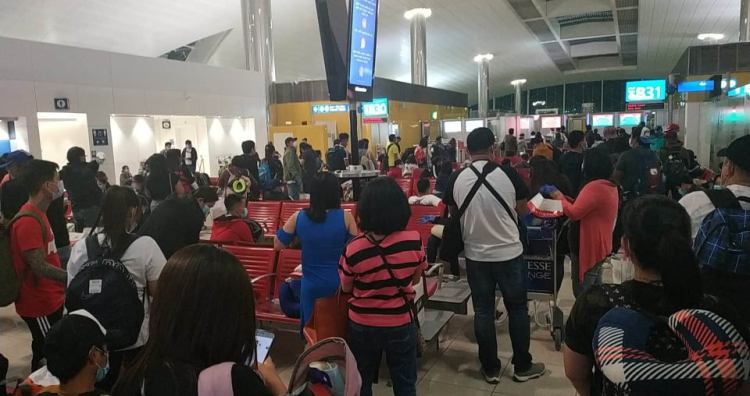
File photo of a group of more than 300 overseas Filipino workers checking in at Dubai International Airport for repatriation. (File photo courtesy of the Philippine Consulate General.)

The latest to be repatriated was a batch of 354 OFWs who left Dubai International Airport in the evening of Aug. 5 on board Philippine Airlines flight PR 659. Another batch of over 300 left on July 30 and still another on July 24 with 351 OFWs.

Part of the latest batch of over 300 overseas Filipino workers (OFWs) who recently flew home from Dubai International Airport through the Philippine government’s repatriation program. (File photo courtesy of the Philippine Consulate General)

The Philippine Consulate General repatriated the first batch of OFWs, numbering 370, in mid-June on board a Cebu Pacific flight 5J 19.

Consul General Paul Raymund Cortes with his staff pose for the cameras during a quick break facilitating repatriation of a group of overseas Filipino workers recently at Dubai International Airport. (Contributed photo)

Consul General Paul Raymund Cortes has said that they were reviewing some 8,000 repatriation requests from OFWs in Dubai and its neighboring cities of Sharjah, Ajman, Umm Al Quwain, Ras al Khaimah and Fujairah.

According to Labor Secretary Silvestre Bello III, there were 400,000 documented OFWs in Dubai.

In all, officials estimate that there were approximately 750,000 documented OFWs in the United Arab Emirates.

Design a site like this with WordPress.com
Get started