Dubai: The Land of Good Food

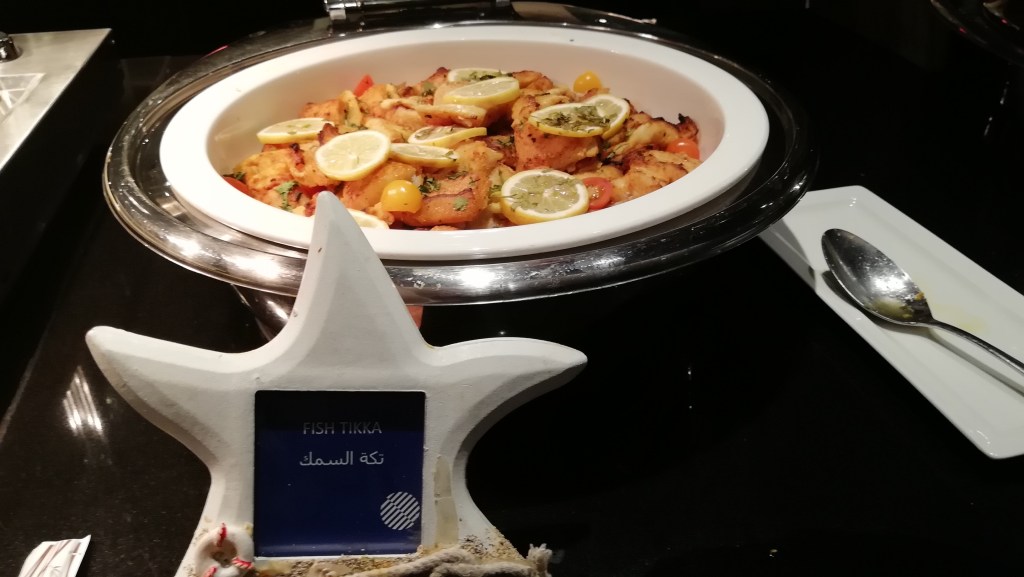
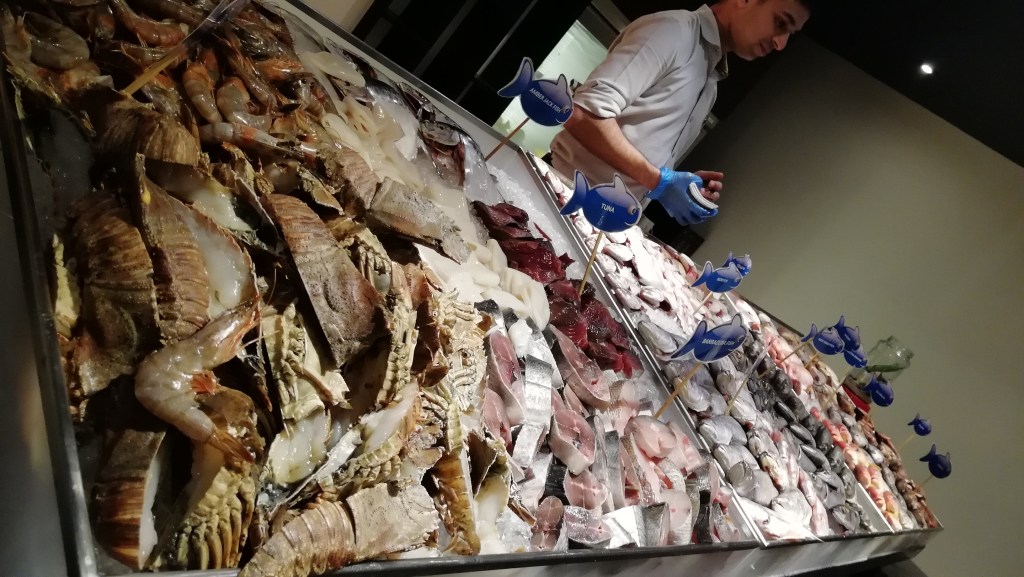
Dubai is an international city of over 250 nationalities. Such being the case, visitors are treated to countless dining destinations offering varying cuisines and flavors on their spread.

dav

dav

dav

It’s no wonder that Dubai has also been known as the city of food bloggers/vloggers featuring the latest in haute cuisine prepared by culinary experts for gastronomic festivals.

dav

Indeed, it’s a gourmand’s paradise! Every dining experience, a new one. Every restaurant, worth checking and coming back to.

sdr
dav

‘Don’t share unofficial information about COVID-19’— Dubai Police

The Dubai Police cautioned residents against sharing unconfirmed and unofficial information about COVID-19 on social media. The move was made apparently in light of yesterday’s lockdown of two hotels in neighboring Abu Dhabi.

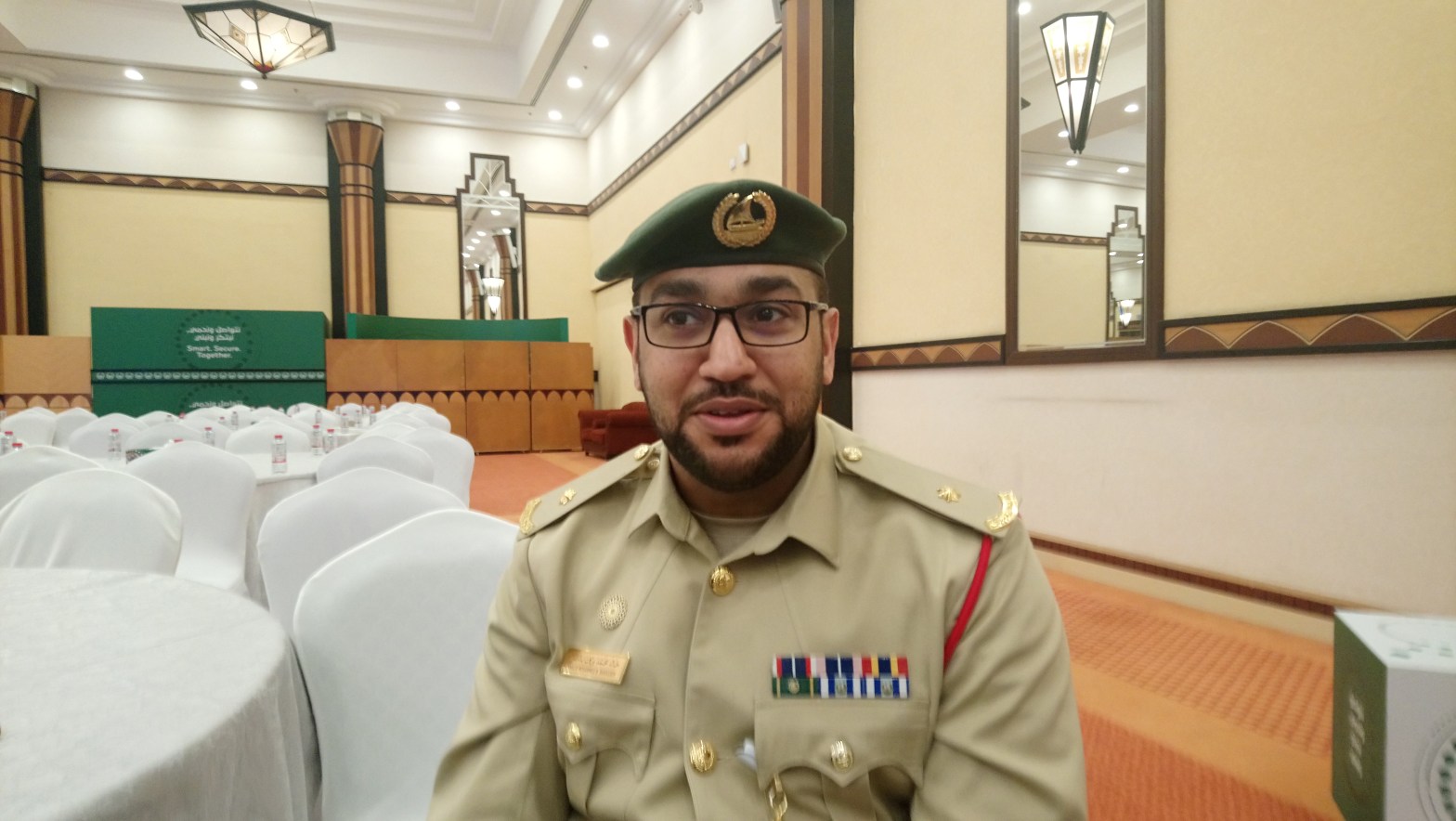
In a town hall meeting at the Dubai Police Officers Club held in conjunction with the Philippine Consulate General’s Office, Lt. Khalid Mohammed B. Banasser, police spokesperson, said spreading disinformation is considered a national security threat and would be dealt with the full extent of the law.

“That will be very, very dangerous. The person can be blacklisted. Any information that can demean the name and security of the country is very dangerous; the punishment is very high,” Banasser told reporters.

“If you have any information and you spread it, you must know exactly where it is coming from, else you will be responsible for disinformation. It is a national security threat and the punishment is very, very high,” he added.

Noting how unverified information could easily go viral on social media, Banasser said an official channel has been put in place by the UAE government, with various agencies working through a one-team approach.

“There will be an official release for all information,” he said.

Any updates about the COVID-19 will be transmitted to the different embassies and consulates general for proper dissemination, he said.

Banasser also called on residents to call 901 toll-free for suspicious social media posts; and 999 for emergency incidents.

“Any doubt you have, please call 901. The 999 emergency lines are open. We are available 24 hours,” Banasser said.

Meantime, Consul General Paul Raymund Cortes likewise urged the community to “please refrain from spreading information unless you are forwarding information taken from verified government authorities.”

“Unofficial information may be open to doubts on their veracity and thus the greater the responsibility of sharing such,” he said.

Lockdown

On Friday, Feb. 28, Reuters reported that Two luxury Abu Dhabi hotels were in lockdown as part of efforts to isolate guests after two Italian members of an ongoing international cycling event, the UAE Tour, were suspected of contracting the coronavirus.

The final two stages of the UAE Tour have subsequently been cancelled.

Guests at the two hotels were screened following concerns they might have interacted with the Italians.

The hotels were named in the Reuters report as the W Abu Dhabi and the Crowne Plaza Abu Dhabi, both on Yas Island in Abu Dhabi.

The Department of Health – Abu Dhabi, has meantime affirmed that laboratory tests conducted for 167 cases of quarantined contacts of the two cases of COVID-19, have returned negative, Emirates News Agency (ENA) said in an announcement issued at 12:26 am today.

ENA quoted DoH-AD as saying it was “still monitoring the condition of the remaining cases of contacts, whose lab test findings will be available within the next few hours.”

In collaboration with the Ministry of Health and Prevention (MoHAP) and other competent authorities, the DoH-AD has applied precautionary quarantine and preventive measures on all participants in the UAE Tour and placed them in hotels on Yas Island for testing.

The health authorities are still monitoring the health condition of the contacts to ensure safety of the community, the statement added. Exact number of people who were screened was not immediately available.

Awareness

Meantime, Ronald Precilla, information security professional, who also heads Bayanihan Council, an aggrupation of  Filipino organizations in Abu Dhabi, said they have lined up activities to further raise awareness about COVID-19 in light of these latest developments.

“We are currently doing an education campaign. Yesterday, during the Bayanihan Council meeting, we had a brief awareness campaign and discussion. A Bayanihan Whatsapp Group for leaders has been put in place as well,” Precilla said.

He added that a focused session will be conducted by Filipino doctors  this week in Abu Dhabi, adding that a social media awareness campaign on the council official page has likewise been launched.

“The UAE is our second home and we know about the government efforts to maintain a healthy environment. We are relieved that UAE has the right facility, technology and resources to keep us safe,” Precilla said.

For his part, Art “Popoy” Los Banos, founding member of the Filipino Social Club (FilSoc) in Dubai said: “We have to follow the rules and policies of our host country. We should be very careful in sharing information on social media even with a good intention to warn people. Only Dubai and federal government announcements should be cascaded to internal and external stakeholders.”

There are approximately 750,000 Filipinos in the UAE – a large number is employed in the hospitality industry. It was not immediately known whether the two hotels were still in lockdown as of presstime.

Your UAE visit or residence visa application can be rejected for these reasons

DUBAI: An official of the UAE’s General Directorate for Residency and Foreigners Affairs (GDRFA) in Dubai has disclosed that they have a profiling method in place when reviewing applications for residence or visit visa, which determines approval or rejection.

In an interview during the recent Fraud Conference Middle East, Capt. Mohammed Issa Al Marri, GDRFA head of performance audit, said continuous violations of the visit or residence visa provisions are red flags, meaning the application will consequently be subjected to closer scrutiny and review.

“We have an approach in GDRFA which checks the visas and can build a profile on the applicant,” Al Marri told this blogger.

He said the agency classifies the applications into categories.

He explained: “If a person violates the visa for the first time by overstaying because he might have a medical issue, so then we need to judge.


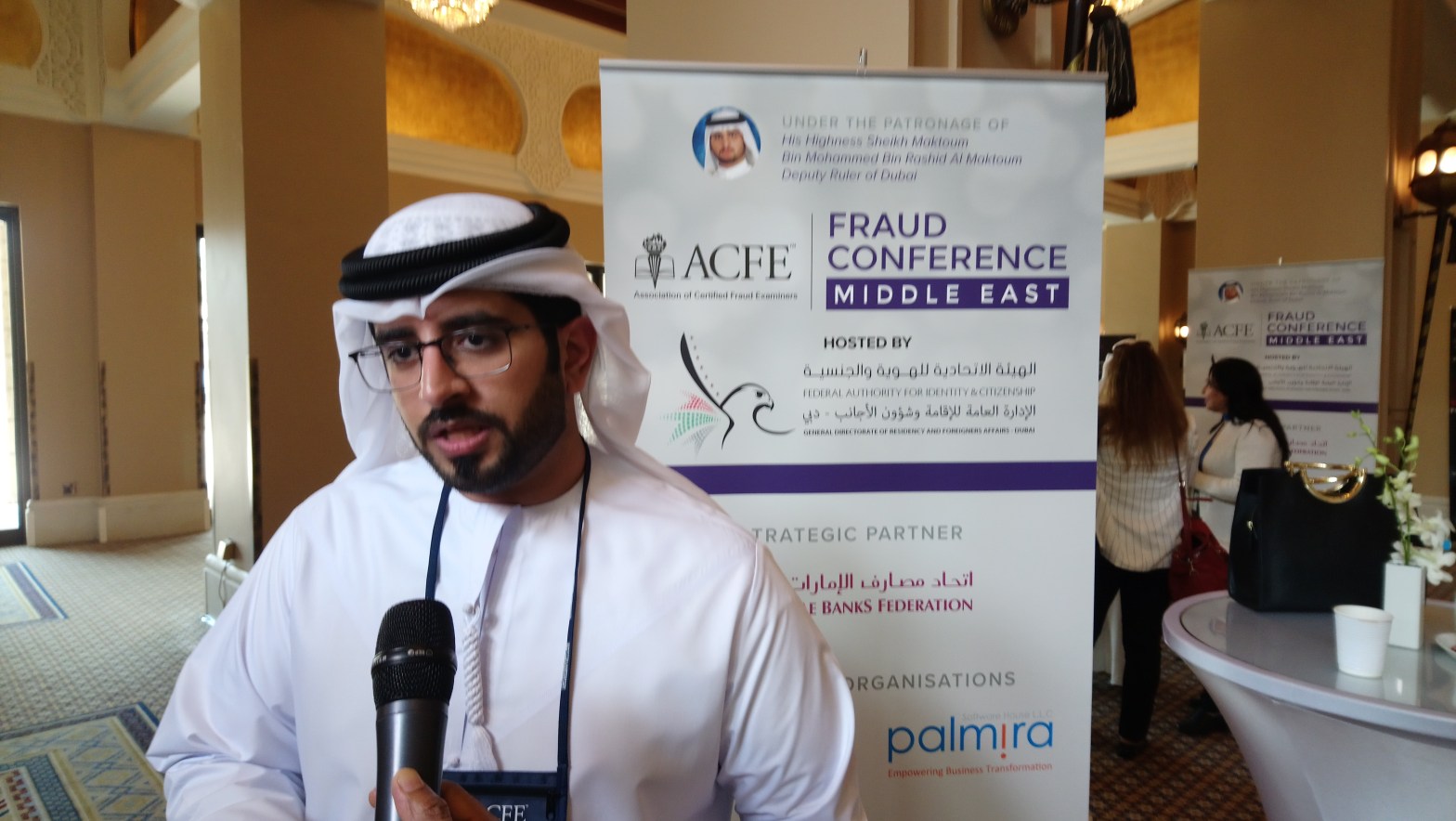
Officials and staff of various government agencies, including the General Directorate for Residency and Foreigners Affairs (GDRFA), recently gathered at Madinat Jumeirah in Dubai for the Fraud Conference Middle East. (Jojo Dass)

“We need first to observe what is the reason for violating and then upon that we decide. This is an approach by which the officers are working in.”

He further explained that an applicant, who had repeatedly overstayed and then applied again for a residence visa after finding an employer who would hire him, will be asked why he had not left the country when his visa expired.

“If you have a residence permit for the last 15 years and all of them were violated and you re-apply for another visa, you might be asked why you overstayed. Ok, you say the first time, you had a case in court; the second time, you had a case with your employer; the third time you had a medical issue; the fourth time, your passport was released late during renewal.

“These are all reasons that intervene in why your application will be approved or rejected,” Al Marri said.

Absconding

Larry Esguerra, travel manager at MPQ Tourism, a travel agency that processes visas, said there are two main reasons why visa applications are being rejected by GDRFA: “May mga kinasuhan ng dating employer or may loan na hindi nabayaran.”

Cases filed by employers, he said, usually include absconding and theft, common among runaways who, officials said, have either figured in misunderstandings with, or were allegedly subjected to abuse by, their employers.

Credit card issues are also rampant where card holders fail to keep up with ensuing interests after failing to make payments on time.

Fraud Conference Middle East was held at Madinat Jumeirah from Feb 23 to 25, spearheaded by GDRFA.

OFWs as ‘ambassadors’ of Filipino cuisine (May kakaibang luto ka ba?)

DUBAI: When the first batch of overseas Filipino workers (OFWs) arrived in the United Arab Emirates (UAE) more than 30 years ago, they brought homegrown Philippine cuisine with them.

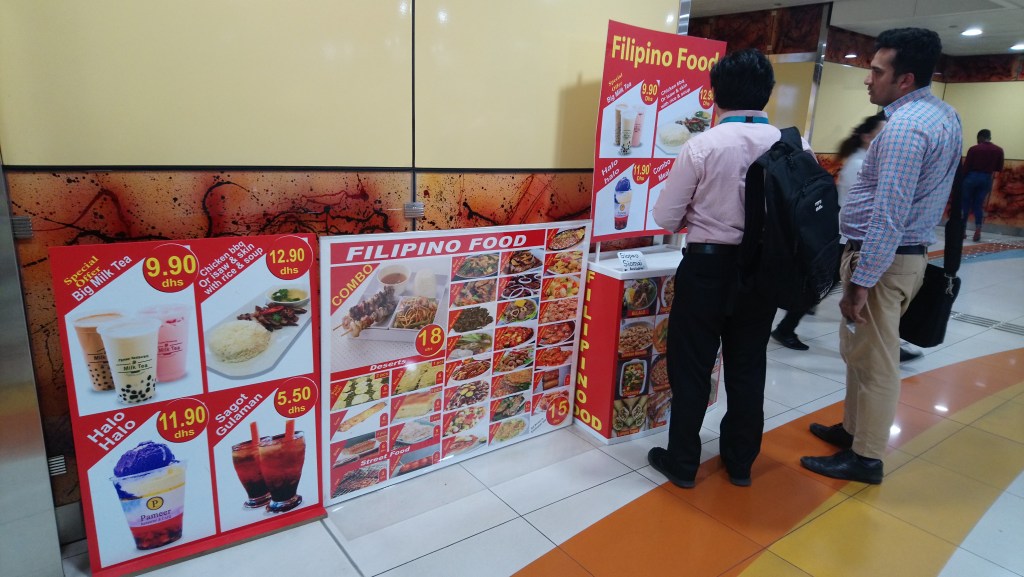
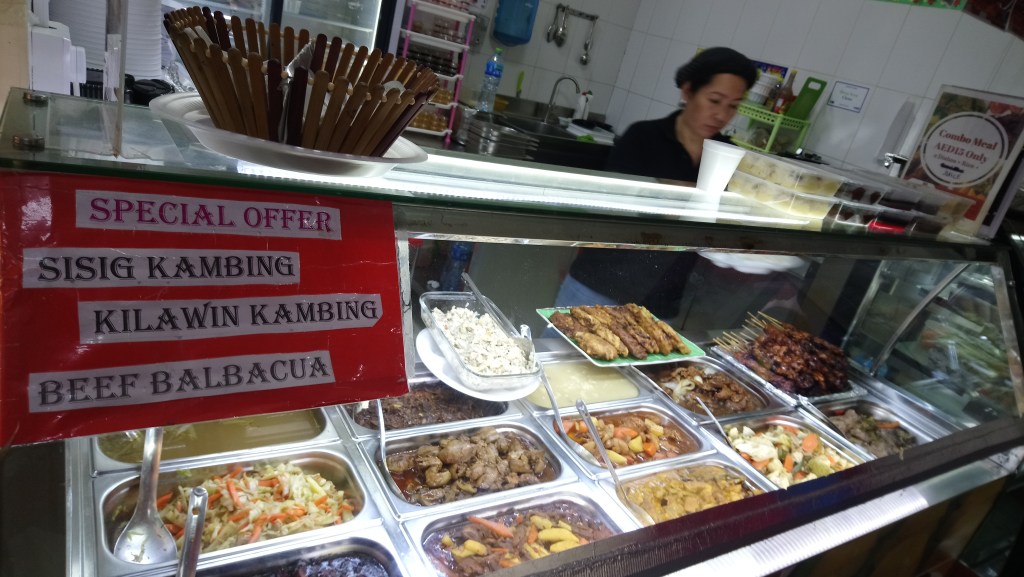
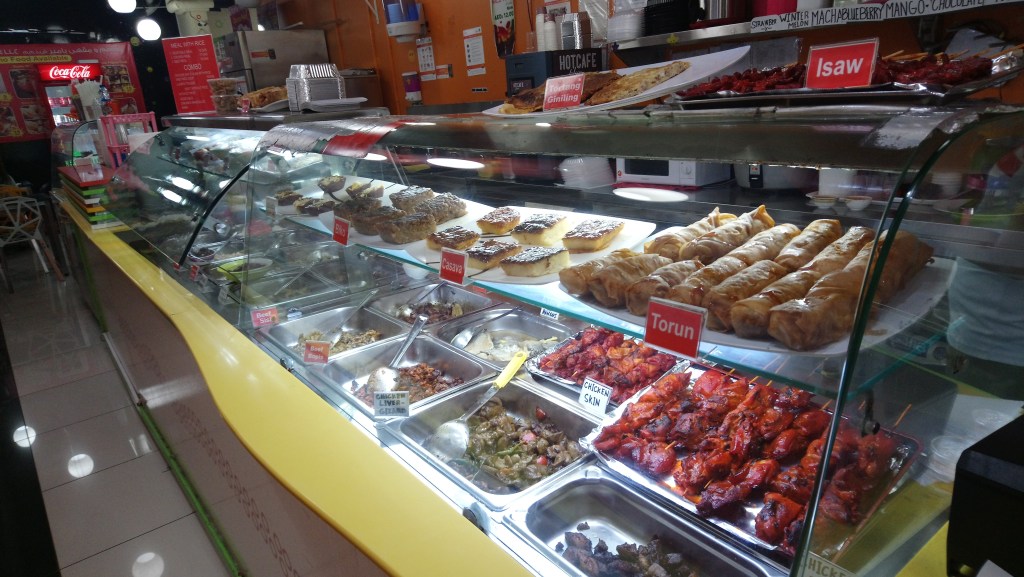
Over time, adobo, kare-kare and bulalo, among a long list of other Pinoy comfort foods, steadily found their way, first at Filipino specialty restaurants and then on to other dining destinations that would have otherwise be serving traditional Arabic and international cuisines.

The “invasion,” if you will, of Filipino foods is supported by a huge market: Approximately 750,000 OFWs across the UAE; half of them living in Dubai.

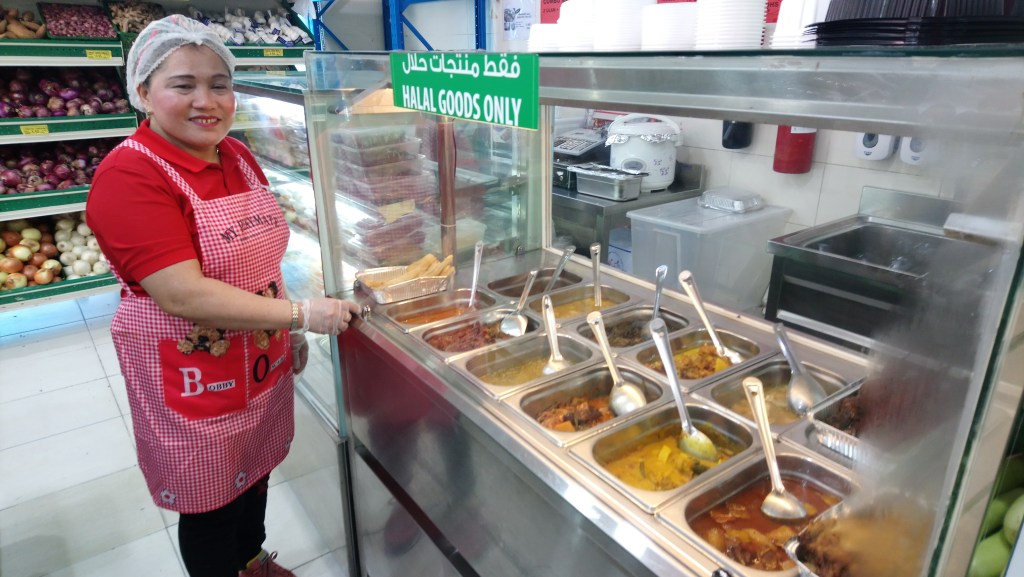
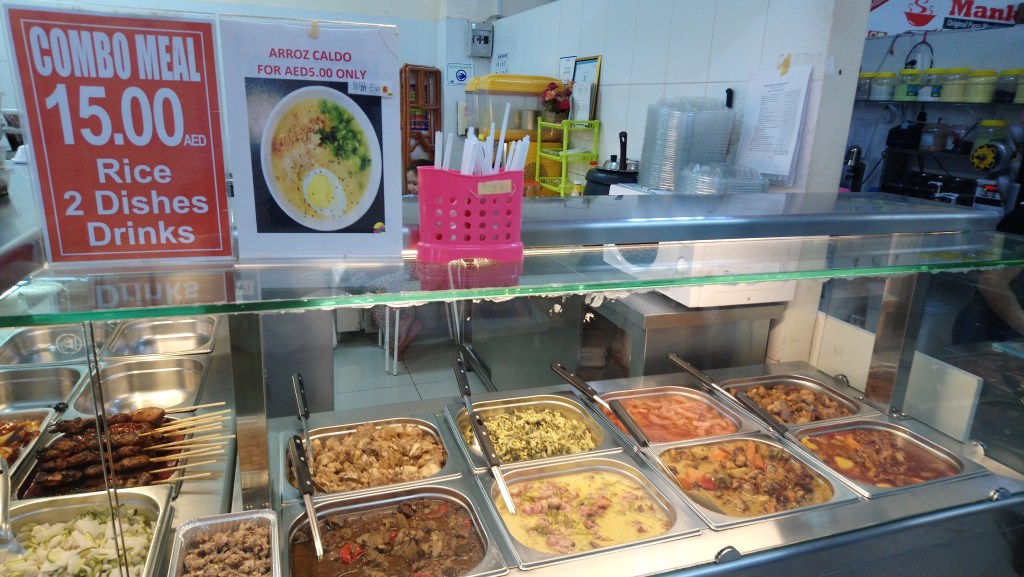
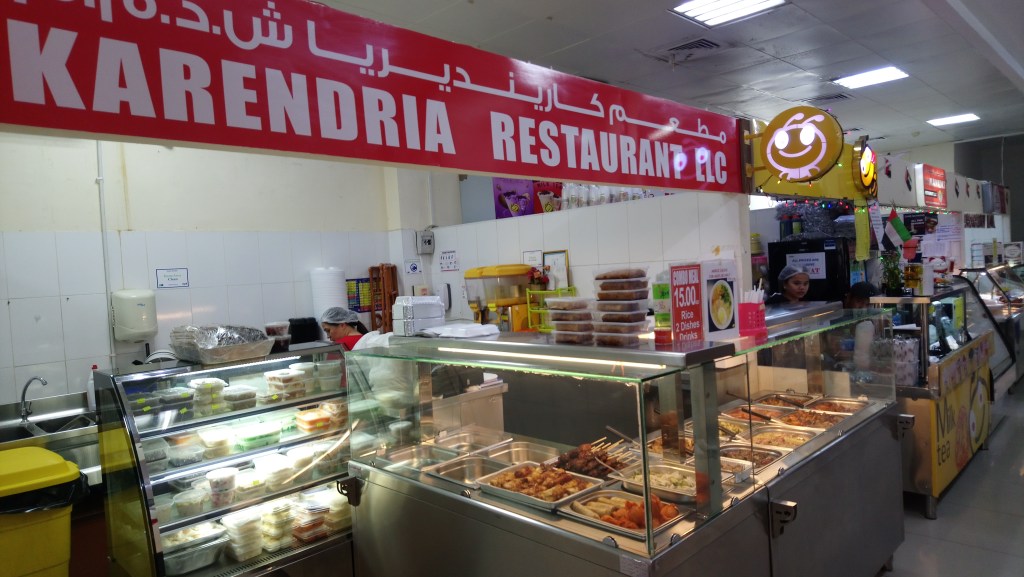
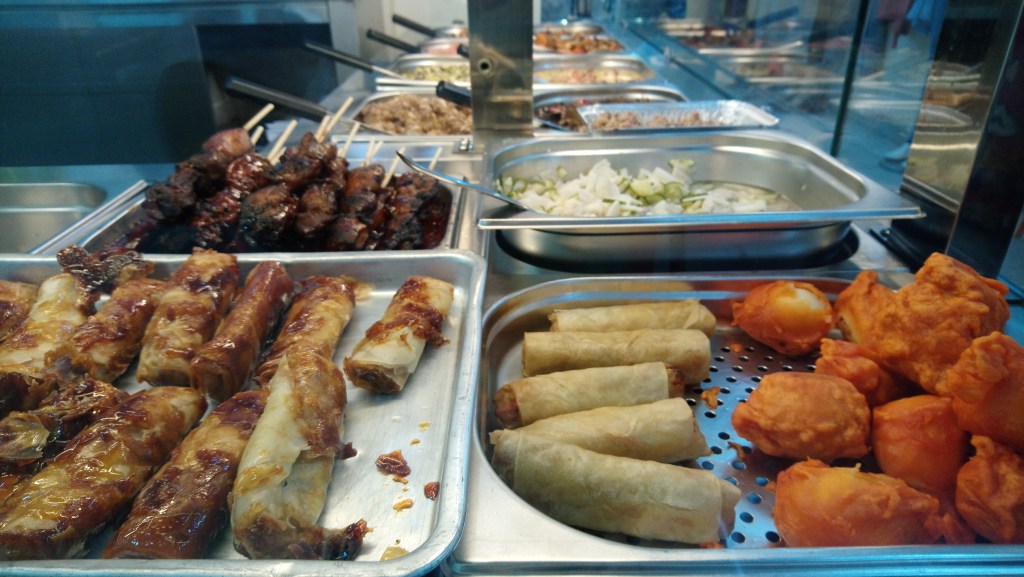
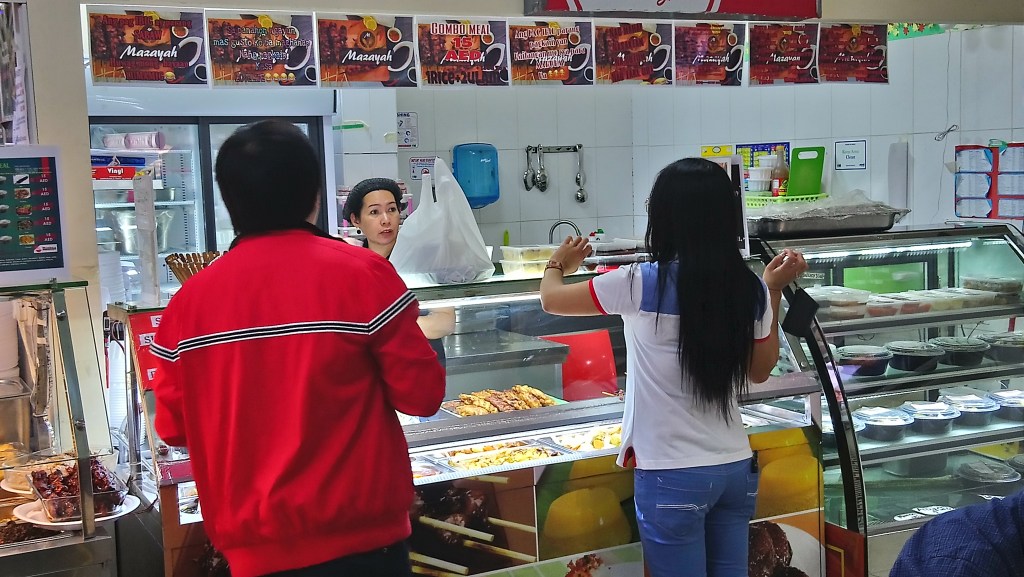
A row of turo-turo stalls inside Philippine Supermarket in Muraqqabat, Deira is a favorite go-to place of overseas Filipino workers in the area living on a budget. (Jojo Dass)

Up the ante

But where is this headed?

Consul General Paul Raymund Cortes lamented that promoting Filipino foods to the mainstream has somewhat plateaued, with most establishments ranging from the typical turo-turo carinderia that Pinoys grew up with back home, and are found mostly in concessions at hypermarkets, to mid-level restaurants for the working class OFW.

Consul General Paul Raymund Cortes (first left) sampling some foods on display at a Philippine booth during the recent Gulfood 2020 held in Dubai.

“As of now, it is not a very popular movement yet,” Cortes told Rappler during last week’s opening of Gulfood, a global food and beverage trade event held annually in Dubai that organizers said had 97,000 visitors and 5,000 companies from over 185 countries during its 2019 edition.

 “That is why,” Cortes added, “a lot of Filipinos think and feel that Filipino food is only for them and some other nationalities.”

“We haven’t passionately and aggressively marketed our food the way the Thais have or Italians or Japanese. We hope to emulate as well. There is just so much that the Philippines has to offer as far as cuisine is concerned and hopefully we are able to market that as well,” the consul general said.

Not the real McCoy but still a favorite among Pinoys and their local friends. (Jojo Dass)
Jollibee on Rigga in Deira. (Jojo Dass)
A Arabic restaurant undergoes re-branding for the Filipino market. (Jojo Dass)
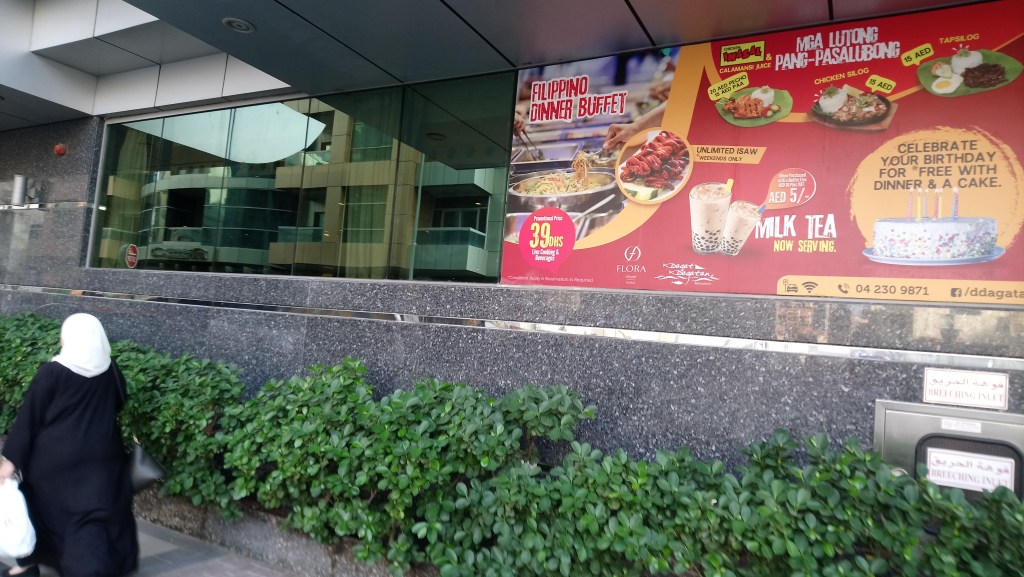
Buffets for Pinoys are all over Dubai and Abu Dhabi. (Jojo Dass)

Ambassadors

Abdulgani M. Macatoman, Philipine trade and industry undersecretary for trade promotions, meanwhile said the presence of a huge number of OFWs in the UAE is an advantage for Filipino exporters.

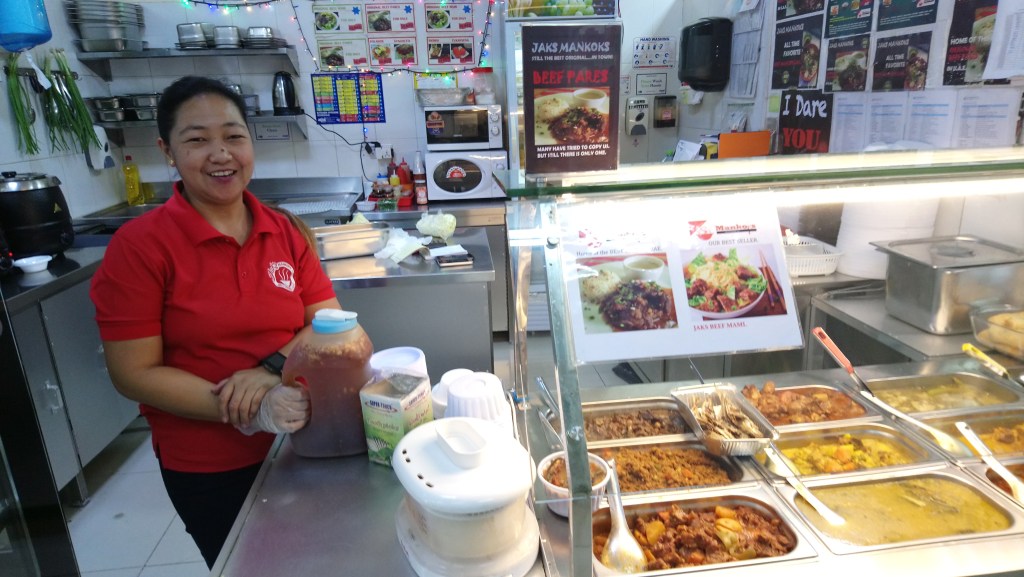
Pares mami is her specialty. (Jojo Dass)

“Malaking bagay po iyan,” he said. “Sila yung mga ambassador na nagpo-promote, nagluluto ng Philippine cuisine. Bago makarating ang mga produkto, nauna nang nakatikim ang mga taga-rito ng mga pagkain natin,” he added.

“Napakaganda. Nakikilala na sila ng mainstream at tinatangkilik.”

Fine-dining

Ironically, it was a Dubai-based, French-Lebanese businessman, Houssam Abdul Malak, who first came up with the idea of opening a Filipino fine-dining destination, the Fiesta Pinoy.

Malak started out with a shopping mall restaurant in Deira on June 30, 2005 then opened a 5,500 sq. foot, two-story establishment near the historic Clock Tower also in Deira in September of 2013 that unfortunately closed after five years due to market preferences.

Dubai-based, French-Lebanese businessman, Houssam Abdul Malak, who first came up with the idea of opening a Filipino fine-dining destination,
the Fiesta Pinoy. (Supplied photo)

“It cost me more than Dh2 million in investment. It was a classy restaurant but unfortunately we had to close after five years. We have been bleeding like crazy,” Malak said.  

Still, he said that with a huge population of Filipinos in the UAE “and a lot are married to foreigners, Filipino cuisine has started to be known by other nationalities.”

“The more Filipino restaurants open, the more the cuisine will be known,” he said.

Gulfood participants

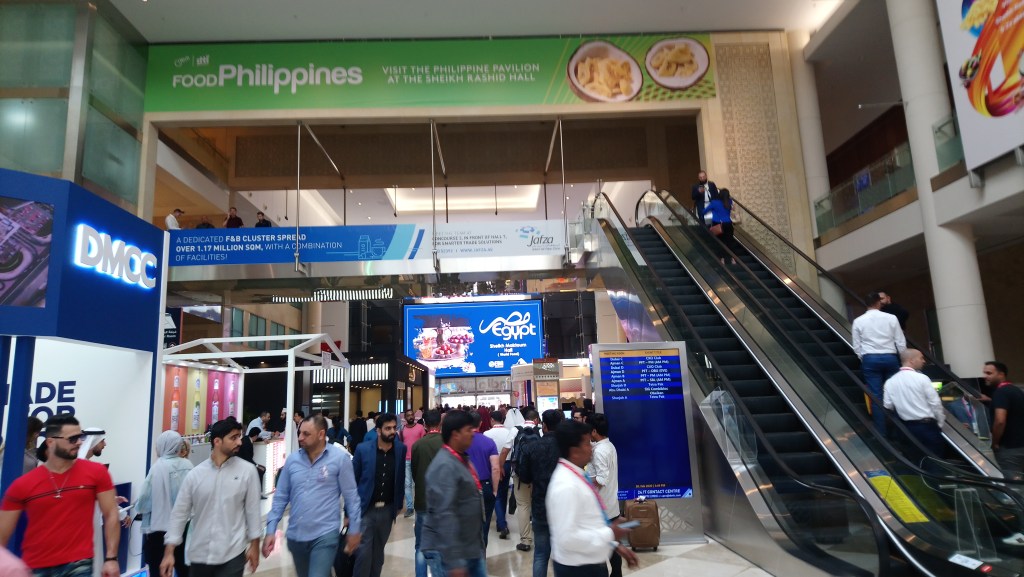
Gulfood was held Feb. 16 – 20 at Dubai World Trade Center (DWTC). The Philippines, through the Department of Trade and Industry’s (DTI) Center for International Trade Expositions and Missions (CITEM)  has been participating in the event for the past 15 years.

The Philippines participated in this year’s edition of Gulfood held in Dubai World Trade Centre. (Jojo Dass)

The DTI delegation this time brought 24 food and beverage companies that rolled out anything from turon na saba (wrapped banana deep fried in brown sugar) to fish sausage at the exhibition for prospective businesses.

Among them was Mama Sita’s, whose sales and marketing manager, Simon A. Pascual said they “still pretty much have a lot to cover on how to improve our engagement to the Filipino population because year on year, we need to update ourselves.”

Pascual explained: “We still need to be relevant to them because the first generation (of OFWs) – in other countries – cooks, the second generations, barely;  the millennials are barely cooking. 

“But here, the population in the UAE is more on the work force; they still try to cook and we hope that we are still relevant  and we strive to till be relevant to this market.”

Shared Imelda J. Madarang, Fisherfarms CEO: “Certainly the big Filipino population in the Middle East is a big boon for us as it provides instant consumer pull for our products that makes major distributors want to carry them.

“They are also a big influence through their networks to patronize Philippine products. From the feedback of the local (Indians and Arabic) distributors we talked to, the Filipinos among all Orientals here are the ones who really splurge on food.”

Among Fisherfarms products are fish delis, smoked milkfish as well as ready-to-cook and ready-to-heat ones.

Indeed, according to the research study “EON Insight: Focus on the Filipino in the UAE,” done by EON Group, a communications consultancy, “Filipinos in the UAE can serve as effective vehicles for introducing new products to the market, especially for Philippine-based brands looking to expand into the region, because they keep a strong affinity with Filipino culture and keep strong ties with their home country.”  

“This strong affinity for their home country allows exchanges of information between the Philippines and the UAE residents, with Filipinos serving as conduits in promoting cultural diversity.”  

Depression among OFWs: ‘The struggle is real’

DUBAI: Most Overseas Filipino Workers (OFWs) suffer varying levels of depression because they carry “trigger factors” with them when they left the Philippines to work abroad.

This, according to Philippine Consulate officials as well as practicing Filipino psychologists here who said such factors include marital issues, financial problems and missed career opportunities, meeting work demands, conflicts due to language barriers; absence of family support network and uncertain job security, exacerbated by worries about failure.

History of depression

Social Welfare Attaché Judith Yadan Bacwaden, who have handled approximately 20 cases of depressed OFWs in Dubai and Abu Dhabi since she assumed post almost two years ago, said most of those afflicted “already have a history of depression even before they left for the UAE.”

“Majority sa mga kaso, hindi lang dito nag-umpisa. May mga problem na tinatakasan sa Pilipinas tapos nagpunta dito, nagkaruon ng hindi magandang karanasan kaya na-trigger,” Bacwaden said.

Added, Labor Attaché Felicitas Bay: “Depression among OFWs may be attributed to their personal problems – marital, financial, career, among others – prior to their work overseas.

“The fear or apprehension that one cannot provide adequately for the family, cannot address marital or family concerns, or the current employment is not what was offered and the job left at home was better than the current – these will affect the state of mind of OFWs.”

Bay said loneliness and homesickness are also “contributory factors to depression especially for first-time OFWs.”

Meantime, Bacwaden said depressed OFWs are referred to a particular hospital’s psychiatric care after which they are repatriated if given the all-clear.

“We have to ensure na magaling na, then deretso na for repatriation. Nakikipag-ugnayan kami sa DWSD to contact the family and arrange a team para sa pagsalubong sa airport,” Bacwaden said.

She said she has come across cases that can be handled by “social work intervention alone.

“Pero ‘pag nakita ko na tulala na… hindi na kumakain… hindi na nakaka-usap, iba na, then I recommend psychiatric care,” Bacwaden said.

She said trigger factors are “multifaceted problems.” “Hindi nila ine-expect na ganuon ang magiging stiwasyon pagdating dito and then may mga problema sa Pilipinas,” she said.

Comfort zone is gone

Psychologists interviewed agree that Filipinos working abroad are more prone to episodes of depression than their counterparts back home. This, for the main reason that they usually do not have a strong support system, being away from their loved ones and living in the company of peers who also have their share of the anxieties working in a foreign land. What causes depression? What are the contributing factors?

Dr. Djonde Frega Ariz-Antiado, who teaches psychology in Dubai and practices the profession, said losing one’s comfort zone is among major factors.

“Overseas Filipino Workers regardless of gender and occupation, generally leave their comfort zone, including the significant support systems, which is their family, in search of better life for financial stability and better employment opportunity,” said Dr. Antiado, who regularly conducts counselling to OFWs during outreach missions including those at the Philippine Consulate General’s Office (PCGO).

“The loss of this significant support network causes a major stressor,” she pointed out.

Dr. Rommel Sergio, Psychology Associate Professor at Canadian University Dubai who also holds regular counselling with distressed migrant Filipinos, said OFWs are more vulnerable to depression because they are usually beset with problems.

“Depression is an extremely complex mental disease. It can happen to anyone especially if confounded with problems in the family, work, and personal life,” said Dr. Sergio, who was among 23 recipients of the 2016 Presidential Awards for Filipino Individuals and Organizations Overseas.

“Hence,” he added, “if one has been exposed to different circumstances and the emotional intelligence is weak, he or she can be stressed and eventually be depressed.”

For her part, Dr. Maria Jolit Angeline P. Malaya, school psychologist working with students of determination at St. Mary’s Catholic High School – Muhainah, said it’s all about the challenges that OFWs face and how they manage to face it head on.

“OFWs are among the ones most likely to suffer from depression owing to physical, mental and emotional challenges that living and working abroad bring,” said Dr. Malaya, who also is a mental health advocate who likewise regularly joins outreach counselling missions for OFWs.

Some of these challenges, she said, are “marital problems, homesickness, issues about finances, stress at work, inability to cope with the lifestyle or new environment and an abusive employer, which is among domestic workers where they experience not eating on time and lack of sleep.”

Symptoms of depression

 Dr. Malaya, who holds a Doctorate in Philosophy with a major in human resource development, said signs and symptoms of depression include the feeling of helplessness and hopelessness, appetite or weight changes, loss of interest in daily activities, sleep changes, irritability, loss of energy, concentration problems, reckless behavior, unexpected aches and pains as well as talking about killing or harming one’s self.

Added Dr. Sergio: “Most clinically diagnosed depressed people have trouble in concentrating, remembering details, making decisions, restless, have feelings of guilt, feelings of worthlessness, helplessness, pessimism, hopelessness, insomnia, early-morning wakefulness, or sleeping too much, overeating or appetite loss, and suicidal thoughts or attempts.”

Dr. Antiado said a recent survey by the International Journal Mental Health has indicated that expatriates experience a high degree of stress which in turn disrupts their social and emotional wellbeing and exposes them to higher risk of mental health problems.

“Meeting work demands – Filipinos do multi-tasking; conflicts due to language barriers; absence of family support network and uncertain job security. All these contribute to the vulnerability of OFWs to depression,” she said.

She said signs or symptoms of depression can be categorized as follows:

• Cognitive: Inability to think; memory lapses, difficulty concentrating and indecisiveness; recurring thoughts of death or suicide.

• Emotional: prolonged sadness, emptiness, worthlessness, pessimism, apathy, uselessness, persistent hopelessness.

• Behavioral: energy level subsides (lethargic) or decreased pleasure in all activities; and lessened physical intimacy.

• Physical: headache, bodily complaints like backache, constipation stomach ache.

Other factors

Dr. Sergio said there are also a number of different factors that can cause depression, ranging from biological to social and environmental ones.

He said factors that can increase an OFW’s risk for depression include: A family history of depression, certain medical conditions and substance use. Other factors that may play a role include childhood trauma, medications, life stress, poor self-esteem, and some medications, he said.

Who are most vulnerable?

Dr. Antiado said World Health Organization (WHO) recently conducted a survey, the results of which, she noted “indicated that those who earned least and who had least control of their jobs tended to be more depressed.”

“Most of the jobs of female OFWs (elementary occupations) are domestic helpers which is characterized as a 24/7 job where they risk facing different forms of abuse. Due to depression we read news of OFWs jumping off the windows and the like,” she said. Dr. Antiado said WHO surveys and current researches “indicate that women are more prone to depression; and is more pronounced between the ages 18 – 44.”

Added Dr. Malaya: “During our wellness program, I usually encounter OFWs who experienced domestic violence – traumatic such as physical, emotional and verbal abuse – that led them to run away and decide to seek help from the Philippine Consulate. “I had several encounters with them and it is really happening most especially among domestic helpers who decided to leave our home country for the sake of providing for their loved once.”

 ‘Marami sila’

Dr. Sergio indicated that depression is common among OFWs in the UAE. “Marami sila. Magkakaiba ng edad at kasarian. I am also doing private consulting through counseling and the figures of people having depression are really overwhelming,” he said.

 Dr. Malaya said nobody is safe from depression.

“Anyone can have it, most especially OFWs. We cannot be free of depression especially if things in our lives are not balanced and when life strikes us with problems and unexpected events,” she said.

Dr Malaya said there are actually different types of depression. She said there are major ones that can be experienced most of the day or every day.

“There are persistent depressions that last for two years and more. There is also what is called as bipolar, a disorder that consists of periods of mania or hypomania, where you feel very happy, alternating with episodes of depression (or melancholia),” she said.

What can be done

Dr. Sergio advised that OFWs feeling depressed (note the symptoms mentioned) should seek professional help as soon as possible.

“Consult an expert once they have seen the signs of depression. It is so important that one consults a psychologist so that proper intervention can be done. As they say, prevention is better than cure. It is good to detect clinically the depressive episodes so as to save lives of our compatriots,” Dr. Sergio said.

Added Dr. Malaya: “The most important thing is to accept that you go abroad wholeheartedly. OFWs need to be prepared with loneliness, homesickness and hard work.” She said the following could help a lot in preventing depression: exercise; good coping strategies; good communication with family; develop friendship at the workplace; a goal with your family as to until when are you going to work abroad; and community support.

Bay suggest a “strong faith in God; continuing communication with family, close friends and/or well-meaning co- workers; socialize – not necessarily attending parties – or engage in community, church or company activities.”

Photo courtesy of the Philippine Embassy in Abu Dhabi, UAE.
UAE confirms 2 more COVID19 cases, one of them another Filipino

DUBAI:  The Ministry of Health and Prevention (MoHAP) on late Friday afternoon, Feb. 21, announced two new COVID19 cases, one of them another Filipino.

”The two new cases are for a 34-year-old Filipino and a 39-year-old Bangladeshi. Their condition is stable,” MoHAP said. It was the second COVID19 case involving a Filipino.

The announcement came barely a week after MoHAP confirmed a ninth case in the UAE involving a 37-year-old Chinese, who was diagnosed during a routine check-up and whose condition was reported by the Emirates News Agency (ENA) to have stabilized.

The two new confirmed cases brought to 11 the total number of novel coronavirus, or COVID19, patients in the UAE, three of whom have fully recovered, according to ENA. These included a 73-year-old woman from China, identified as Liu Yujia, the first case of full recovery reported by ENA on Feb. 9.

By the numbers

The case of the first Filipino who has been confirmed to be afflicted with the virus was announced by ENA on Feb. 8.

A local daily, citing Marford Angeles, consul general and deputy head of the Philippine Embassy, said the 43-year-old Filipino’s condition was “getting worse.”

“The condition of our kababayan (compatriot) is getting worse. We can assure, however, the patient is being given maximum health care and support,” Gulf News quoted Angeles as saying.

Contact 

MoHAP meantime explained that the two new cases had close contact with the recently confirmed cases of the Chinese citizen.

The ministry affirmed that it is screening all persons in close contact with the confirmed cases to avert spreading of the disease and ensure safety of the community.

The ministry said it was coordinating with health and other concerned authorities in the country, and had been following a very effective epidemiological monitoring mechanism. All the necessary precautions to ensure highly efficient preventive measures were taken, including check-ups and observation of people in contact with patients. It was all done as per the guidelines and standards of the World Health Organization (WHO), the ministry added.

It urged the public to follow the preventive procedures and to read the awareness instructions available on its website and the official websites of health authorities in the UAE.

“The public are also advised to adopt protective health behaviors to avoid infectious diseases, including washing hands with soap and clean water, and covering the mouth when coughing or sneezing to stop the spread of germs and viruses,” the ministry said.

There are approximately 750,000 Filipinos, mostly contract workers, in the UAE.

WHO situation report

According to WHO’s Feb. 20, 2020 situation report, there are now 75,748 confirmed COVID19 cases globally, with 548 of the new ones reported from China.

The WHO report also stated that there were  74,675 confirmed cases in China with 399 of them new ones; and 2,121 deaths, including 115 new ones.

Outside of China, there have been 1,073 confirmed cases (149 new) and eight deaths (five new) in 26 countries, the WHO situation report further said.

WHO has placed at “high” its COVID19 global risk assessment.

A day at the flea market — books galore

There’s a park at JLT — a good 15-min walk from the Damac metro station — that’s beaming with activity every third Friday of the month: a flea market that has anything from carpets to extension cords, hand-me-down clothes and shoes, home decor, shoes and yes, books.

I get to have collector’s items like Gabriel Garcia Marquez’ “Love in the Time of Cholera,” a bit fitting in this time of coronavirus, perhaps; and Charles Dicken’s “Hard Times,” as well as “Oliver Twist.”

One wonders why people give up these precious literary gems.

At any rate, looking forward to more great digs

Design a site like this with WordPress.com
Get started